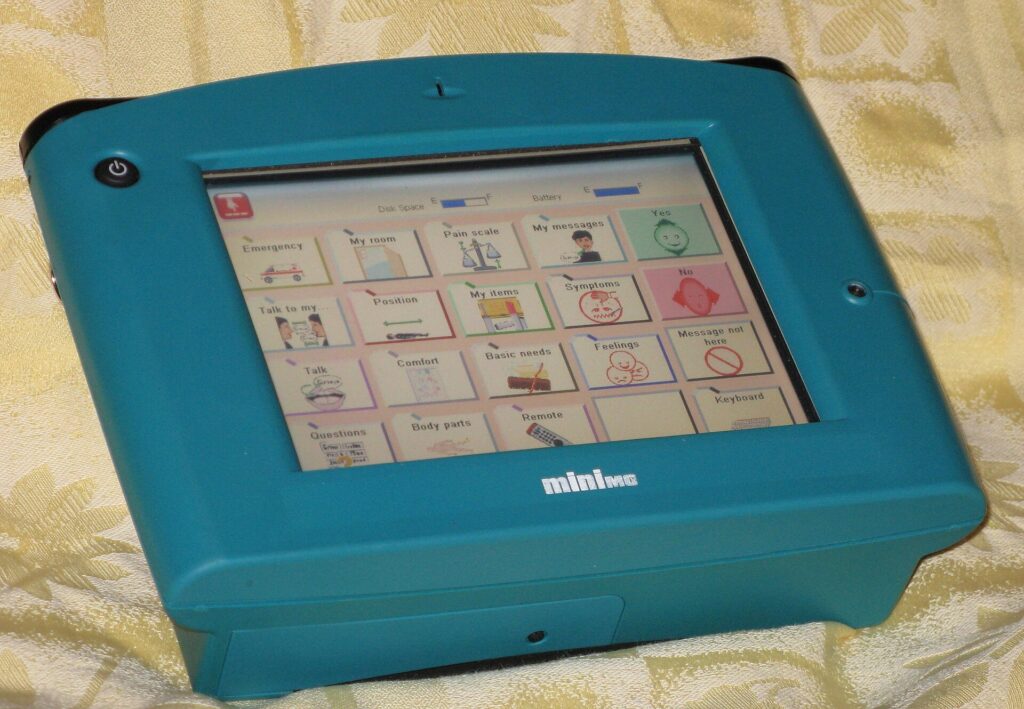
Speech synthesis is the artificial production of human speech by a machine. In its most common form it converts written text into spoken audio, which is why it is often called text-to-speech (TTS). It is the reverse of speech recognition, which turns spoken audio into text. Speech synthesis lets computers read documents aloud, voice virtual
Speech Synthesis Read More »
Speech synthesis is the artificial production of human speech from text or other input, a technology widely known as text-to-speech.
Text classification, also called text categorization or document classification, is the task of assigning one or more predefined labels to a piece of text. The text might be an email, a news article, a customer message or a single sentence, and the labels might be topics, languages, intentions, levels of urgency or any other categories
Text Classification Read More »
Text classification is the task of assigning predefined categories or labels to pieces of text, such as spam or not spam, or a topic.
Text mining, also called text analytics or text data mining, is the process of extracting useful patterns, facts and insights from large collections of unstructured text. Most of the information organizations hold, including emails, reports, reviews, web pages and social media posts, is written in ordinary language and does not fit neatly into database tables.
Text Mining Read More »
Text mining is the process of extracting useful patterns, facts and insights from large collections of unstructured text using computational methods.
Text summarization, or automatic summarization, is the task of producing a shorter version of one or more texts that keeps their most important information. A good summary lets a reader grasp the main points quickly without reading the full document. The task is one of the long-standing problems in natural language processing, and it has
Text Summarization Read More »
Text summarization is the task of automatically producing a shorter version of a text that keeps its most important information.