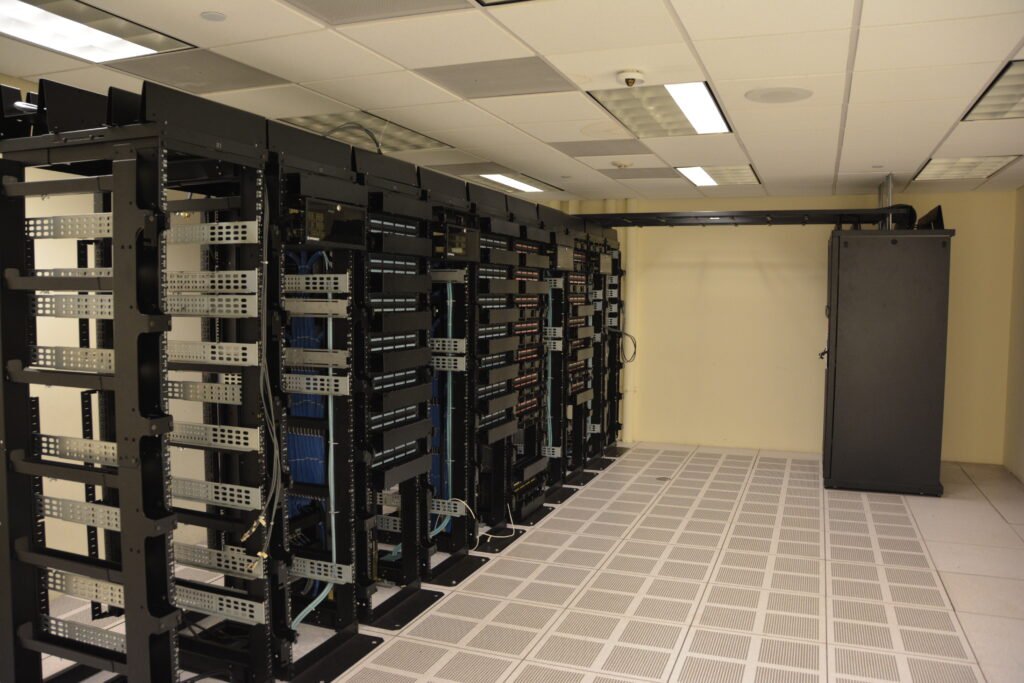
Cybersecurity technology is the set of tools, software and hardware that protect computers, networks, applications and data from unauthorized access, damage or disruption. It includes defenses such as firewalls, encryption, identity checks and monitoring systems. No single tool gives complete protection, so organizations combine several in layers and pair them with policies and trained people.
Cybersecurity technology Read More »
Tools, software and hardware that protect computers, networks and data from unauthorized access, damage or disruption.
Deep learning is a method of machine learning in which computer models with many processing layers learn to represent data at several levels of abstraction. It has improved results in speech recognition, visual object recognition and object detection, as well as in areas such as drug discovery and genomics. History of deep learning Deep learning
Deep learning Read More »
A machine learning method that uses neural networks with many layers to learn increasingly abstract representations of data such as images, speech and text.
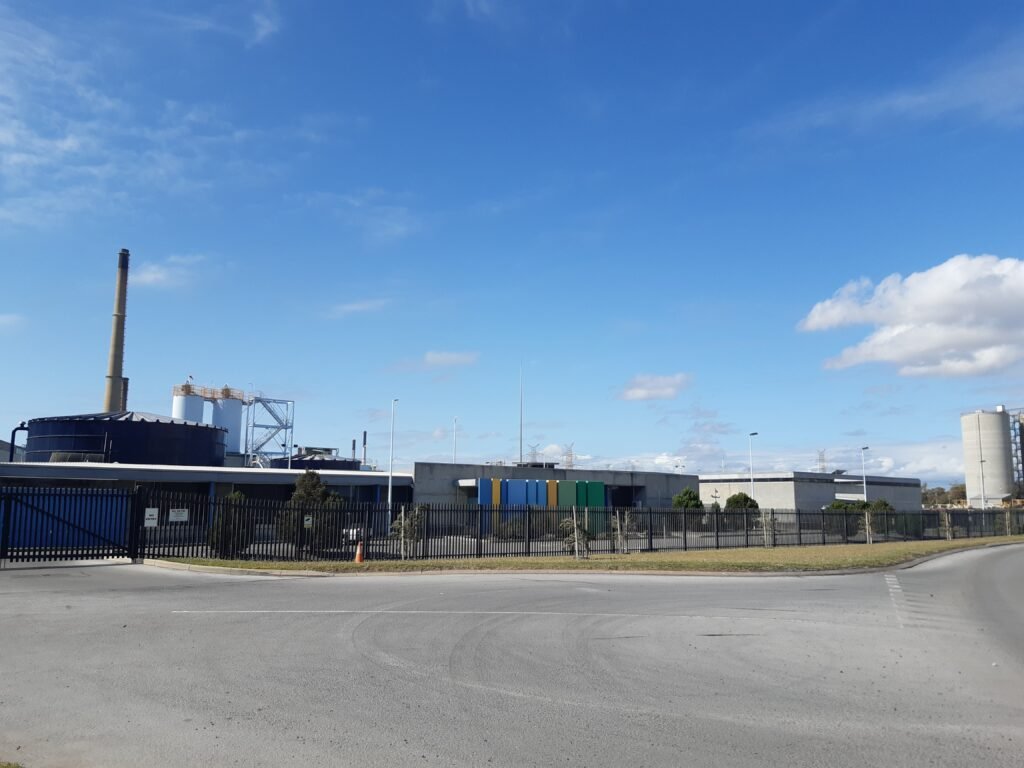
Desalination is the removal of salt and other dissolved minerals from seawater or brackish water to produce water fit for drinking, farming or industry. Only a small share of Earth’s water is fresh, so places with little rainfall or heavily used groundwater increasingly turn to the sea. Today the dominant method pushes salty water through
Desalination Read More »
The removal of salt and other dissolved minerals from seawater or brackish water to make fresh water, mostly by reverse osmosis.
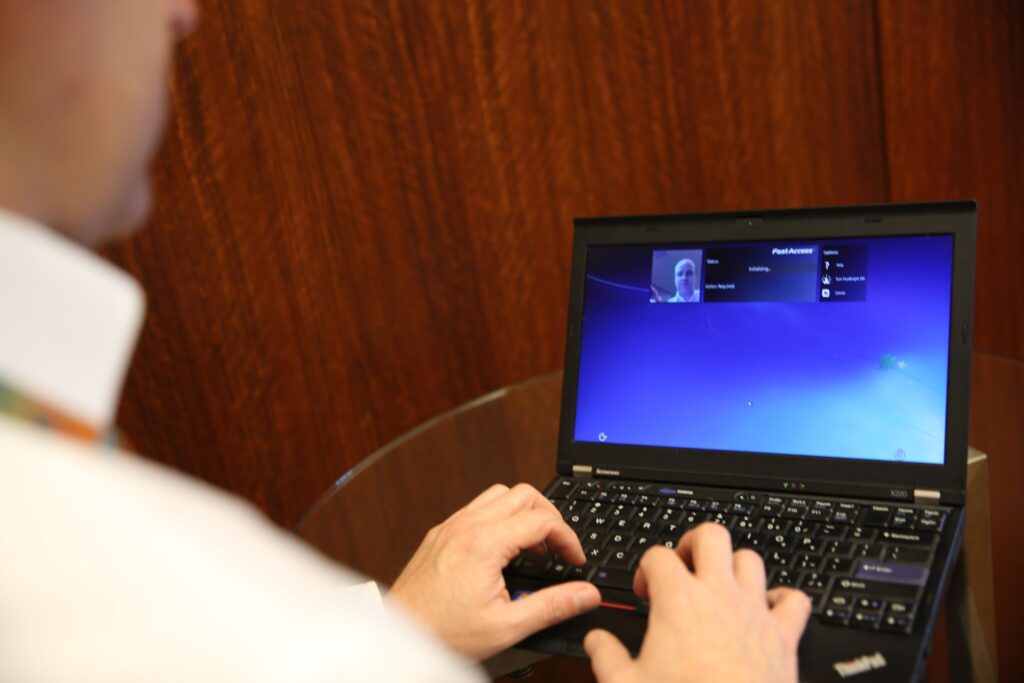
Face ID is Apple’s facial recognition system for unlocking iPhones and iPads, authorizing payments, and approving app sign-ins using a scan of the user’s face instead of a passcode or fingerprint. Apple introduced Face ID with the iPhone X in 2017, using it to replace the Touch ID fingerprint sensor on its flagship phones, and
Face ID Read More »
Face ID is Apple's facial recognition system that uses the TrueDepth camera to unlock devices and authorize payments.
Fiber optics is the technology of guiding light along thin strands of glass or plastic called optical fibers. Light entering one end of a fiber is kept inside by reflection and travels to the other end, where it can carry information as pulses. Optical fibers are used in communication networks, in medical instruments and in
Fiber optics Read More »
The technology of guiding light along thin glass or plastic strands called optical fibers to carry information or illumination.
A fuel cell is an electrochemical device that converts the chemical energy of a fuel, most often hydrogen, directly into electricity. When hydrogen is the fuel, the only products are electricity, water and heat. A fuel cell resembles a battery, but it does not run down or need recharging as long as fuel keeps flowing
Fuel cell Read More »
A fuel cell is an electrochemical device that converts the chemical energy of a fuel, usually hydrogen, directly into electricity.
Fusion power is electricity that would be generated from nuclear fusion, the process in which two light atomic nuclei merge into a heavier one and release energy. It is the reaction that powers the Sun and other stars, and researchers are working to reproduce it on Earth, but no fusion power plant is yet supplying
Fusion power Read More »
Fusion power is electricity that would be generated by merging light atomic nuclei, the reaction that powers the Sun, in machines on Earth.
Gene sequencing is the process of determining the order of the four chemical bases, abbreviated A, T, C and G, that make up a DNA molecule. That order spells out the genetic information in a gene, a chromosome or a whole genome. The term is often used loosely for DNA sequencing in general, whether the
Gene sequencing Read More »
Gene sequencing determines the order of the four chemical bases in a stretch of DNA, from a single gene to a whole genome.
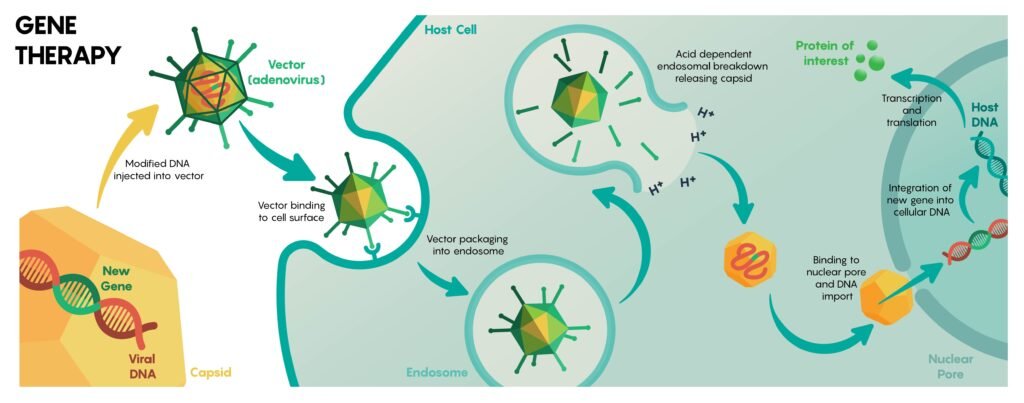
Gene therapy is a medical approach that treats or prevents disease by correcting the underlying genetic problem. Instead of relying only on drugs or surgery, it alters a person’s genetic makeup, for example by adding a working copy of a faulty gene or by editing DNA inside cells. The information here is general background, not
Gene therapy Read More »
A medical approach that treats or prevents disease by correcting the underlying genetic problem, such as by adding a working gene or editing DNA.
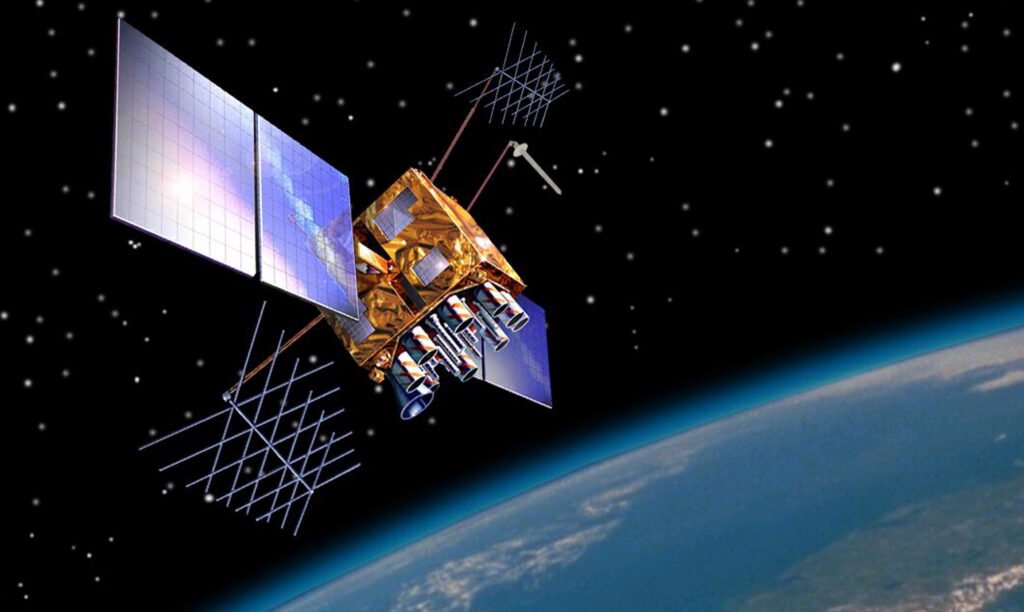
The Global Positioning System, or GPS, is a satellite navigation service owned by the United States that provides positioning, navigation and timing to users around the world. A receiver works out its three-dimensional position and the time from radio signals sent by satellites that orbit about 20,200 kilometers above the Earth. The civilian service is
Global Positioning System Read More »
The Global Positioning System is a U.S.-owned satellite network that gives receivers worldwide their position, navigation and precise time.