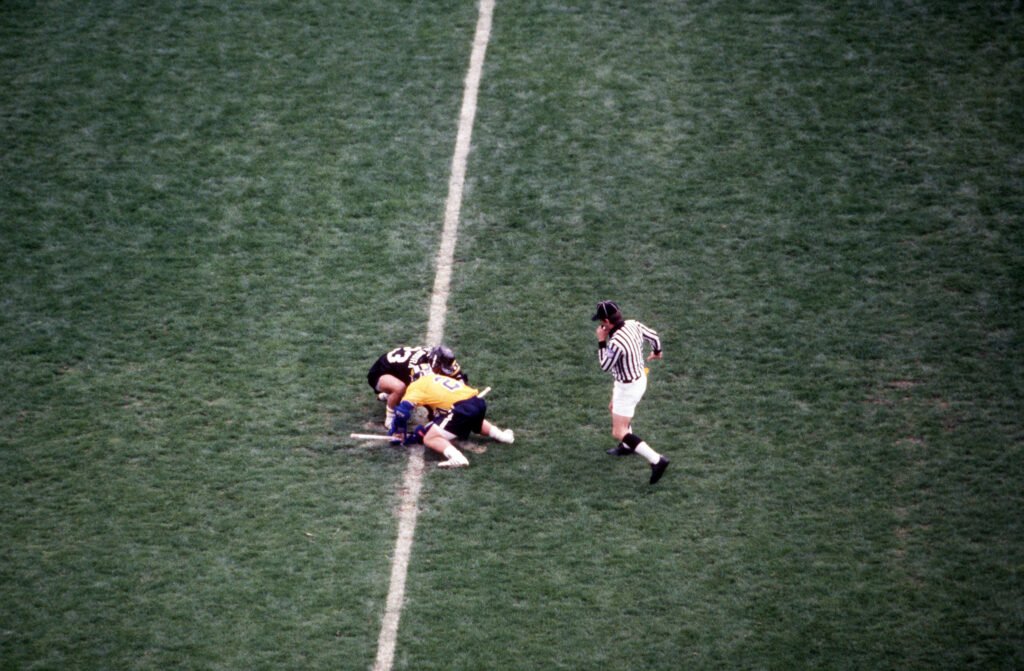
Overview
Sports governance refers to the organizations, rules, and oversight structures that regulate how sport is conducted, ranging from local club bylaws to international federations that set rules for an entire global sport, each operating with its own degree of authority and accountability.
Key Governance Functions
Governing bodies typically oversee rule-making, athlete eligibility and classification, anti-doping enforcement, and dispute resolution processes, working to ensure fair competition while also managing the business and political dimensions of their sport at a larger organizational level.
Ongoing Governance Challenges
Sports governance organizations face persistent scrutiny over transparency, potential conflicts of interest, and whether existing structures adequately represent athletes themselves, prompting ongoing reform efforts in several major sports and international governing bodies in recent years.
Levels of Governance
Sports governance operates across multiple overlapping levels, from individual club or team bylaws up through national governing bodies and finally international federations that set rules for an entire sport worldwide, with each level typically subject to oversight or appeal processes involving the level above it. This layered structure can create complex jurisdictional questions when disputes cross between national and international governing authorities.
Reform Pressures
Several major international sports governing bodies have faced significant public pressure in recent years to reform their internal governance structures, improve financial transparency, and reduce conflicts of interest among senior officials, reflecting broader concerns about accountability within organizations that often operate with limited external oversight.
Athlete Representation in Governance
A growing number of governing bodies have introduced formal athlete representation within their decision-making structures, responding to criticism that governance decisions affecting athletes directly were historically made almost entirely by administrators and officials without meaningful athlete input.
Doping Control Systems
Anti-doping enforcement represents one of the most resource-intensive governance functions in modern sport, requiring coordinated testing programs, laboratory analysis, and formal disciplinary procedures that must withstand legal scrutiny when athletes challenge sanctions imposed against them.
Cross-Border Jurisdictional Questions
Disputes that cross between national and international governing bodies can create complicated jurisdictional questions about which organization has final authority, sometimes requiring resolution through specialized sport arbitration bodies established specifically to handle these cross-jurisdictional disputes efficiently.
Funding and Financial Independence
Many national sports governing bodies rely heavily on funding from international federations or government sport ministries, creating financial dependencies that can sometimes complicate a governing body ability to act independently on sensitive governance matters.
Dispute Resolution Mechanisms
Many sports governing bodies rely on specialized arbitration panels rather than conventional courts to resolve disputes, offering a process intended to be faster and more sport-specific than general civil litigation, though critics sometimes question whether these panels provide adequate independence from the governing bodies that help select their members.
Governance and Commercial Interests
As commercial revenue has grown dramatically in many sports, questions have increasingly arisen about whether governance structures designed decades ago remain adequate for organizations now managing billions of dollars in broadcasting and sponsorship revenue.
Transparency Initiatives
In response to past governance scandals, several major sports organizations have introduced independent ethics committees, published financial disclosures, and term limits for senior leadership positions, representing concrete steps toward the broader transparency reforms many stakeholders have demanded.
Global Governance Coordination
International sports federations must coordinate governance standards across member nations with vastly different legal systems, cultural contexts, and resource levels, a persistent challenge in creating rules that are both fair and practically enforceable worldwide.
Grassroots Governance Structures
Below the international and national level, local and regional sports governance structures handle the vast majority of day-to-day sport administration, often relying heavily on volunteer leadership even as the sports they oversee generate increasingly significant commercial interest.
Closing Perspective
Sports governance remains an evolving field, balancing tradition against growing demands for transparency, athlete voice, and accountability as the commercial stakes of organized sport continue to rise worldwide.
Organizations that embrace reform tend to earn greater trust from athletes, sponsors, and fans alike over the long run.
Governance and Media Scrutiny
As sports organizations have grown more commercially significant, investigative journalism and increased public attention have placed governance decisions under far greater scrutiny than in earlier decades, when many governing bodies operated with comparatively little outside visibility into how decisions affecting entire sports were actually made behind closed doors.
Looking Ahead
As commercial stakes continue climbing, expect continued pressure on sports governing bodies to further modernize decision-making structures and strengthen athlete representation within their organizations going forward.
Few areas of sport administration carry this much responsibility for protecting the integrity of competition itself.
That responsibility keeps governance work consequential well beyond its often unglamorous day-to-day administrative demands.
Governing bodies that act on these pressures proactively tend to maintain stronger legitimacy than those that wait for crises to force change.
This remains true across nearly every level of organized sport, from local clubs to the largest international federations.
Looking forward, governing bodies that build genuine trust with athletes and fans tend to retain legitimacy even through difficult or controversial decisions.
That trust, once established, tends to prove remarkably durable across changes in leadership and sporting circumstance alike.
Few assets in sport prove as valuable, or as fragile, as earned legitimacy.
Sustained attention to legitimacy remains the clearest path toward durable institutional trust.
It will likely remain the central challenge facing sport governance for years to come.
Few other challenges carry this much weight for the future credibility of organized sport.
That weight makes governance reform one of the more consequential, if underappreciated, areas of sport administration.
Organizations that embrace this work early tend to be better positioned for whatever challenges come next.
Key facts
- Array
Quick checkWhat issues does sports governance typically address?Show answer
Rule-making, athlete eligibility, doping control, and resolving disputes within sport.
Sources
- Array
Editorially reviewed by Specialty Digest Editorial TeamLast reviewed November 4, 2026Researched and drafted with AI assistanceReport an issue