Foundational Welfare Frameworks
Farm animal welfare standards trace significant conceptual origins to the Five Freedoms framework developed in the United Kingdom, which articulated basic welfare entitlements including freedom from hunger and thirst, freedom from discomfort, freedom from pain and disease, freedom to express normal behavior, and freedom from fear and distress. This framework has influenced subsequent welfare standards and certification programs globally, providing a structured foundation for evaluating livestock conditions across diverse production systems and species.
Housing and Confinement Debates
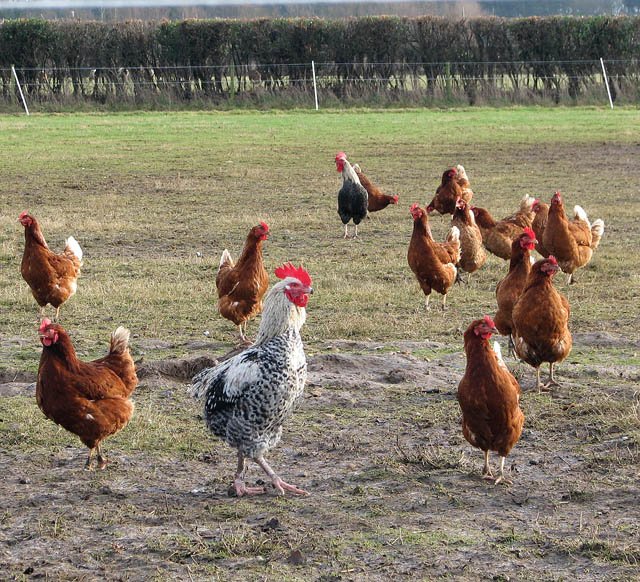
Confinement systems such as battery cages for egg-laying hens and gestation crates for breeding sows have faced increasing scrutiny and regulatory restriction in various jurisdictions, driven by both scientific welfare research demonstrating behavioral and physiological costs of extreme confinement and shifting consumer and voter attitudes. Transitions toward cage-free and group housing systems carry their own welfare trade-offs, including increased risk of aggression or disease transmission in poorly managed group settings, illustrating that eliminating one welfare concern can introduce others without careful system design.
Certification and Labeling Programs
Third-party welfare certification programs, including various cage-free, pasture-raised, and comprehensive welfare-audited labeling schemes, allow producers to differentiate products meeting standards exceeding legal minimums while giving consumers purchasing information about production conditions. These programs vary considerably in rigor, audit frequency, and specific standards required, leading some welfare advocates to call for greater label standardization and transparency to help consumers make meaningful comparisons between competing certification claims.
Species-Specific Welfare Considerations
Welfare standards necessarily vary by species given differing physiological needs and natural behaviors, with poultry welfare standards addressing concerns such as stocking density and perching access, while cattle welfare standards address pasture access, tail docking, and transport conditions. Swine welfare standards have particularly focused on gestation crate use and tail docking practices, reflecting both scientific welfare research and significant public attention to pork production conditions in recent decades.
Economic and Policy Tensions
Farm animal welfare standards frequently involve tension between welfare improvement and production economics, since higher-welfare systems often carry increased costs that affect both producer margins and consumer prices. Policymakers and certification bodies continue to grapple with how to advance welfare standards without creating prohibitive costs that could drive production to jurisdictions with weaker welfare requirements, a concern sometimes termed welfare leakage that complicates purely national or regional welfare policy approaches.
Transport and Pre-Slaughter Welfare Standards
Farm animal welfare standards increasingly address transport conditions, recognizing that stress, injury, and even mortality during transport to processing facilities represent a significant welfare concern distinct from on-farm housing conditions. Standards addressing stocking density, journey duration limits, and temperature control during transport have become more detailed and more rigorously enforced in many jurisdictions, reflecting growing recognition of transport as a distinct and sometimes underappreciated welfare risk point in the broader production chain.
Role of Veterinary Oversight
Many farm animal welfare standards incorporate requirements for regular veterinary oversight, including herd health monitoring, disease prevention protocols, and veterinary involvement in painful procedures such as castration or dehorning. This veterinary dimension connects farm animal welfare standards closely with broader veterinary medicine practice, since many welfare outcomes depend directly on consistent, competent veterinary care alongside appropriate housing and handling practices.
Consumer Demand and Market Segmentation
Growing consumer interest in animal welfare has created meaningful market segmentation, with higher-welfare products commanding premium prices in many markets alongside continued strong demand for conventional, lower-cost production. This market segmentation allows welfare-conscious consumers to drive incremental industry change through purchasing decisions, though welfare advocates note that voluntary market-based improvement alone has generally proven insufficient to address welfare concerns at the scale and pace that stronger regulatory requirements could achieve.
International Standard Variation
Farm animal welfare standards vary considerably between countries and trading blocs, creating complexity for international trade and raising questions about whether imported products should be held to the importing country’s domestic welfare standards. Some jurisdictions have begun incorporating welfare considerations into trade policy, though harmonizing welfare standards across very different agricultural systems and cultural contexts remains a genuinely difficult and politically sensitive policy challenge.
Looking Toward Future Standards
Farm animal welfare standards continue to evolve as scientific understanding advances and consumer expectations shift, with ongoing research into areas such as pain management during routine procedures and the welfare implications of genetic selection for production traits. This continued evolution suggests current standards represent an ongoing process rather than a fixed endpoint, likely to keep advancing as both science and societal expectations around farm animal treatment continue developing.
Sustained attention from scientists, policymakers, and consumers alike will likely continue driving incremental improvement in farm animal welfare standards going forward.
Ultimately, the pace of that improvement will depend on sustained collaboration across science, industry, and policy.
That collaboration ultimately determines how quickly meaningful change reaches animals living under current production systems.
That progress depends on everyone involved staying engaged and accountable.
Few other factors matter as much as that sustained engagement over time.
None outweighs that ongoing engagement in the long run.
Retailers, too, continue adjusting sourcing policies as consumer welfare expectations keep shifting across different markets.
That ongoing adjustment reflects just how dynamic and responsive this market segment has become in recent years.
That dynamism will likely continue defining the sector for years to come.
Few expect that pace of change to slow anytime soon, given current consumer and regulatory momentum.
That trajectory points toward a steadily higher baseline over time.
That baseline shift benefits animals most of all.
Patience and persistence define this work.
Nothing substitutes for sustained, patient effort here.
Nothing else comes close.
Key facts
- Array
Quick checkWhat distinguishes third-party welfare certification from government regulatory minimum standards for farm animals?Show answer
Government regulatory minimum standards set the legally required baseline that all producers must meet, while third-party welfare certification programs establish voluntary standards typically exceeding the legal minimum, allowing producers to differentiate their products and allowing consumers to identify goods produced under higher welfare conditions than law alone requires.
Sources
- Array
Editorially reviewed by Specialty Digest Editorial TeamLast reviewed November 4, 2026Researched and drafted with AI assistanceReport an issue