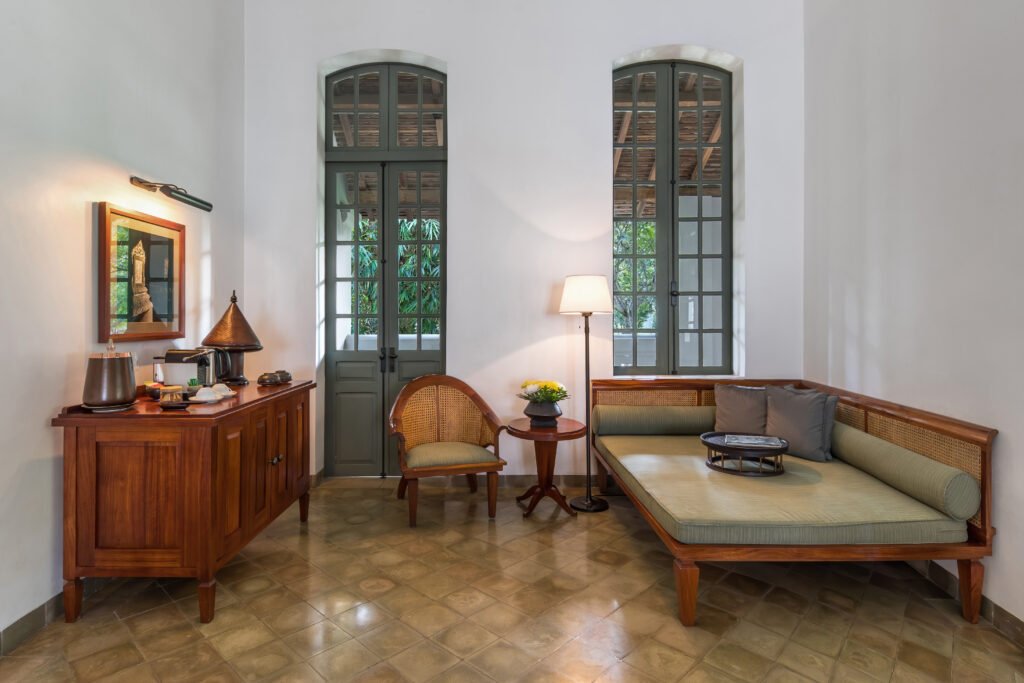
Overview
A boutique hotel is a small, independently minded lodging property distinguished by unique design and a highly personalized guest experience.
Defining Features
Boutique hotels typically have fewer rooms than large chain properties and emphasize distinctive architecture, interior design, and local cultural character.
Market Position
These properties often target travelers seeking individuality and local authenticity rather than the standardized consistency associated with major hotel brands.
Design Philosophy
Boutique hotels typically treat design as a central part of the guest experience rather than a purely aesthetic backdrop, often commissioning custom furniture, local art, or architecturally distinctive spaces that would be impractical to replicate across a large chain. This design-forward approach allows boutique properties to command premium rates despite often having fewer amenities than larger full-service hotels, since guests are paying in part for a unique sense of place rather than a standardized set of services.
Independent Versus Soft-Branded Boutique Hotels
Some boutique hotels remain fully independent, owned and operated without any affiliation to a larger chain, while others join soft-brand collections operated by major hotel companies that allow properties to retain their individual identity while gaining access to a chain loyalty program and distribution network. This soft-brand model has grown significantly since the 2010s as major hotel companies sought to capture travelers who specifically prefer independent-feeling properties over standardized chain hotels.
Challenges of Scale
Because much of a boutique hotel appeal comes from its distinctiveness, the category faces an inherent tension when expanding, since replicating a unique design concept across multiple properties risks diluting the very individuality that attracted guests in the first place. Successful boutique hotel groups often address this by giving each property a distinct design concept rather than a repeated template, even when they share back-end management and marketing resources.
Guest Expectations
Guests choosing a boutique hotel typically expect a higher degree of personalized attention than at a large chain property, even though boutique hotels often operate with smaller staffs proportionally. Meeting these elevated service expectations with limited staff resources is a persistent operational challenge that successful boutique properties address through cross-trained employees capable of handling multiple guest-facing roles.
Role of Storytelling in Boutique Branding
Boutique hotels frequently build their marketing around a specific narrative or theme tied to the building history, the surrounding neighborhood, or a particular design concept, using storytelling to justify premium pricing and differentiate from both chain hotels and other boutique competitors. This narrative-driven approach to marketing often extends into social media strategy, where distinctive visual design gives boutique properties content that performs well on image-centric platforms compared to the more standardized marketing imagery used by large chains.
Financing Challenges
Independent boutique hotel projects often face more difficulty securing financing than branded chain developments, since lenders frequently view unbranded, unproven concepts as carrying higher risk than a recognized franchise with an established track record and brand loyalty program. This financing challenge has contributed to the growth of soft-brand collections, which give lenders the comfort of chain affiliation while preserving much of the design individuality that defines the boutique category.
Location Selection Strategy
Boutique hotel developers often prioritize distinctive urban neighborhoods or historically significant buildings over standardized highway or airport locations favored by many chain hotels, since location itself frequently forms part of the property overall design narrative and target guest appeal. This location strategy means boutique hotels are disproportionately found in city centers and tourist districts rather than suburban or transportation-hub locations where chain hotels are more commonly developed.
Relationship to the Broader Lifestyle Hotel Category
The boutique hotel category overlaps substantially with the broader lifestyle hotel segment, which emphasizes experience-driven design and social spaces such as vibrant lobby bars, though lifestyle hotels are sometimes operated at a larger scale than the traditionally small boutique format. Industry definitions between boutique and lifestyle hotels remain somewhat fluid, with marketing language often used more for positioning purposes than as a strict technical classification.
Role of Food and Beverage in Boutique Identity
Boutique hotel restaurants and bars are frequently designed as destination venues in their own right, intended to attract local patrons beyond overnight guests and reinforce the property distinctive identity within its surrounding neighborhood, unlike many chain hotel restaurants that serve guests almost exclusively.
Boutique Hotels in Secondary and Emerging Markets
While the boutique hotel concept originated primarily in major global cities, the category has expanded into secondary cities and emerging tourism markets as local developers recognize that distinctive, smaller-scale properties can succeed commercially without the massive capital investment required for large chain development, particularly in markets with strong cultural or architectural heritage to draw on.
Pricing Strategy and Rate Positioning
Boutique hotels generally position their rates above comparable chain properties in the same market, justifying the premium through design distinctiveness and personalized service rather than competing primarily on amenity breadth or room count, a positioning strategy that requires careful rate benchmarking against both chain and other boutique competitors.
Role of Local Partnerships
Boutique hotels frequently partner with local artisans, chefs, and cultural institutions to reinforce their sense of place, an approach that both strengthens community ties and provides marketing content that distinguishes the property from standardized chain alternatives.
Guests often cite these local partnerships specifically in online reviews, reinforcing their value as both a differentiation strategy and an organic marketing asset.
This organic marketing value is one reason many boutique operators continue investing in local partnerships even when the direct financial return is difficult to quantify precisely.
Travelers planning a visit around a specific boutique property increasingly research these partnerships in advance, treating them as a meaningful part of the overall destination experience.
Key facts
- Array
Quick checkWhat typically distinguishes a boutique hotel from a chain hotel?Show answer
Distinctive architectural or interior design, a smaller room count, and a strong sense of local character rather than standardized brand uniformity.
Sources
- Array
Editorially reviewed by Specialty Digest Editorial TeamLast reviewed November 4, 2026Researched and drafted with AI assistanceReport an issue