Scope and Significance
Cultural heritage tourism encompasses travel motivated by a desire to experience the historical, archaeological, and living cultural heritage of a destination, spanning formal attractions such as museums, archaeological sites, and designated historic districts as well as encounters with living cultural traditions, including festivals, craft practices, and culinary traditions tied closely to a specific place and its history. Many of the world most visited tourist destinations, including a large share of UNESCO World Heritage Sites, draw visitors primarily or substantially for cultural heritage reasons, making heritage tourism revenue an important funding source for ongoing preservation and conservation work at many such sites.
A persistent tension within the field concerns the balance between the preservation and economic benefits tourism revenue can provide and the risk that commercialization pressure can distort or dilute the authenticity of cultural practices being showcased, sometimes transforming genuinely significant traditions into simplified performances staged primarily for visitor consumption rather than maintained for their original cultural purpose. Heritage site managers and tourism planners increasingly grapple with this tension directly, seeking models that generate needed revenue while involving local and indigenous communities meaningfully in decisions about how, and how much, their heritage is presented to outside visitors.
Economic Role and Community Involvement
Cultural heritage tourism represents a substantial economic driver for many destinations, since heritage sites and cultural experiences frequently serve as primary draws that justify an entire trip, generating spending across accommodation, food service, transportation, and retail well beyond ticket revenue collected directly at heritage sites themselves. This economic significance has made heritage preservation funding increasingly dependent on sustained visitor interest in many destinations, creating both an opportunity, since tourism revenue can fund conservation that might otherwise lack adequate public funding, and a risk, since heritage sites can become overly dependent on a steady stream of paying visitors to sustain basic maintenance.
Meaningful involvement of local and descendant communities in decisions about how their heritage is presented and interpreted for visitors has become an increasingly emphasized best practice within the field, reflecting growing recognition that heritage tourism historically sometimes proceeded with minimal input from the communities whose history and culture were actually being showcased. Contemporary heritage tourism planning increasingly incorporates community consultation, local employment priorities, and revenue-sharing arrangements specifically designed to ensure that the communities connected to a given heritage site benefit tangibly from the tourism their heritage attracts, rather than serving primarily as a backdrop for outside visitors and external tourism operators.
Digital Technology and Interpretation
Digital technology has meaningfully expanded how cultural heritage tourism sites present information and engage visitors, with many sites now offering audio guides, augmented reality overlays that recreate historical scenes at archaeological locations, and detailed digital archives that allow visitors to explore heritage content before, during, and after an actual visit. These tools can help sites manage physical visitor pressure on fragile original structures or artifacts by providing rich virtual alternatives or supplements to direct physical access, while also reaching audiences who may never travel to the physical site at all.
Some heritage sites have also used digital tools specifically to center indigenous or descendant community voices and interpretation more directly in how their own heritage is presented, moving away from interpretation created and delivered solely by outside experts or institutions. This shift reflects a broader movement within the heritage tourism field toward what is sometimes called community-led interpretation, in which the communities most closely connected to a given heritage site play a substantial role in shaping the narrative and content visitors actually encounter, rather than serving only as the subject of interpretation created entirely by others.
Outlook
As heritage tourism continues to grow globally, the field faces an ongoing challenge in expanding access and economic benefit while preserving the authenticity and community control that distinguish genuinely respectful heritage tourism from presentations that reduce complex cultural traditions to simplified visitor attractions.
Intangible Cultural Heritage
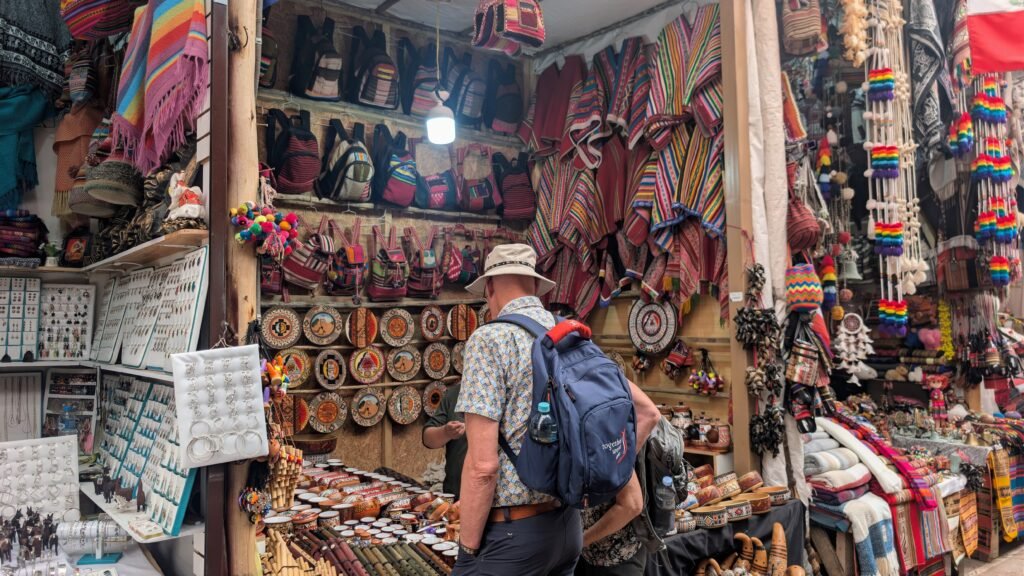
Beyond physical sites and monuments, cultural heritage tourism increasingly encompasses what UNESCO and heritage scholars term intangible cultural heritage, including oral traditions, performing arts, social practices and rituals, and traditional craftsmanship passed down through generations without necessarily being tied to a single fixed physical location. Tourism built around intangible heritage, such as participating in or observing traditional festivals, learning traditional craft techniques directly from practitioners, or experiencing traditional culinary practices, raises distinct considerations compared with tourism centered on fixed physical sites, since intangible heritage is inherently more dynamic and exists through active ongoing practice by living community members rather than being preserved as a static artifact.
This distinction has practical implications for heritage tourism planning, since protecting intangible heritage from tourism-related pressure requires different strategies than protecting physical structures, focused less on limiting physical visitor access and more on ensuring that tourism demand does not distort or hollow out traditional practices by incentivizing simplified or inauthentic performances aimed primarily at visitor consumption rather than maintaining the practices in their genuine cultural context and meaning for the practicing community itself.
Ultimately, cultural heritage tourism holds genuine potential to fund preservation and benefit communities connected to historic and cultural sites, provided that economic incentives are structured to support rather than compromise the authenticity and community control that give heritage its meaning in the first place.
Heritage sites that succeed in balancing these competing pressures over time tend to share a common thread: sustained, genuine partnership with the communities whose heritage is actually being shared with visitors.
That partnership, sustained over years rather than established once and left unchanged, is what ultimately separates heritage tourism that enriches both visitors and host communities from heritage tourism that merely extracts value from the past.
Key facts
- Array
Quick checkWhat is a central tension often discussed in cultural heritage tourism?Show answer
A central tension is balancing the economic and preservation benefits that tourism revenue can provide against the risk of commercializing or altering cultural practices and sites in ways that compromise their authenticity.
Sources
- Array
Editorially reviewed by Specialty Digest Editorial TeamLast reviewed November 4, 2026Researched and drafted with AI assistanceReport an issue