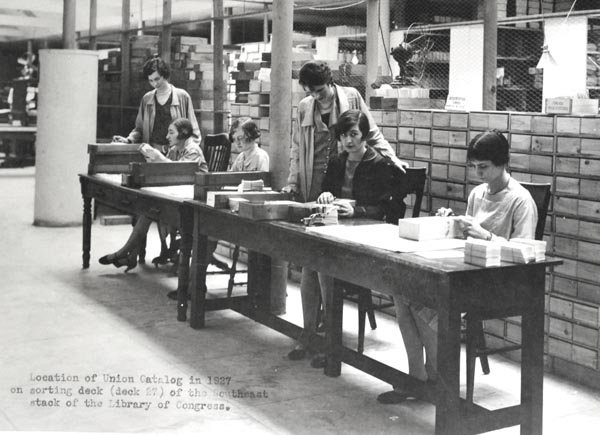
Descriptive cataloging is the process of recording the identifying and physical details of a library item, such as its title, author, publisher, publication date, edition, and physical format, into a standardized bibliographic catalog record.
This work forms the core factual description of an item that appears in a library catalog, distinct from subject cataloging, which separately assigns classification numbers and subject headings describing what the item is about. A descriptive cataloger examines the item itself, often following a standardized title page or equivalent source, to accurately transcribe its title, statement of responsibility, edition information, and publication details according to established rules.
Standards and Rules
Descriptive cataloging follows formal cataloging standards that specify exactly how to transcribe and present bibliographic information consistently across different catalogers and institutions. Resource Description and Access, commonly abbreviated RDA, is the current standard used by many libraries internationally, having replaced earlier rules, and it provides detailed guidance covering everything from how to record an author name to how to describe unusual physical formats such as electronic resources or multimedia items.
Levels of Description
Catalogers can apply different levels of descriptive detail depending on the complexity and significance of the item and the resources available, ranging from minimal records capturing only the most essential identifying information to full records that include detailed notes on physical characteristics, contents, and relationships to other works, with the appropriate level typically determined by institutional cataloging policy.
Role in Discovery
Accurate descriptive cataloging underlies nearly every function of a library catalog, since search, browsing, and citation all depend on consistent, correctly transcribed bibliographic data; an error introduced during descriptive cataloging, such as a misspelled author name, can make an item difficult or impossible for patrons to find even if every other aspect of the record is correct.
Economic Considerations
Descriptive cataloging requires trained staff time per item, which represents one of the more significant ongoing costs in library technical services, leading many libraries to rely heavily on shared, pre-existing catalog records for widely held publications rather than creating original descriptive records for every single item from scratch.
International Perspectives
Descriptive cataloging standards and practices vary across countries and languages, with international cooperation efforts working to align national cataloging rules closely enough that bibliographic records can be shared and reused across borders despite differences in language, script, and local bibliographic convention.
Looking Ahead
As library collections increasingly include complex digital and multimedia formats, descriptive cataloging practice continues to evolve, with ongoing revisions to cataloging standards aiming to accommodate resource types that did not exist when earlier cataloging rules were first written decades ago.
Practical Guidance
Catalogers performing descriptive cataloging are generally advised to examine the physical item directly rather than relying solely on secondary sources such as a publisher catalog listing, since discrepancies between an item actual characteristics and external descriptions are not uncommon and can lead to inaccurate catalog records if not caught through direct examination.
Related Specialties
Descriptive cataloging overlaps closely with metadata standards work and increasingly with digital preservation, particularly for born-digital and electronic resources, where describing the technical characteristics of a file format requires knowledge extending beyond traditional print-oriented cataloging training.
Original Versus Copy Cataloging
Descriptive cataloging is generally divided into original cataloging, in which a cataloger creates a brand-new record for an item not previously cataloged anywhere, and copy cataloging, in which a cataloger adapts an existing record created by another library for the same edition. Copy cataloging is considerably faster and is the dominant practice for widely held, commercially published materials, while original cataloging remains necessary for unique items such as local archival materials or especially obscure publications lacking any existing shared record.
Balancing original and copy cataloging effectively is a significant operational consideration for technical services departments, since over-reliance on slow original cataloging for routine materials can create unnecessary processing backlogs.
Quality Control
Many libraries implement quality review processes for descriptive cataloging, particularly for original records, since errors introduced at this stage can propagate widely once a record is shared through cooperative cataloging networks and reused by many other institutions downloading the same record.
Some libraries designate experienced senior catalogers to review a sample of records created by newer staff, catching errors before they propagate widely, while others rely on automated validation tools that flag records failing to meet basic structural or completeness requirements.
Cataloging Electronic Resources
Descriptive cataloging of electronic resources presents distinct challenges, since such items often lack a fixed physical form or clear edition statement, requiring catalogers to apply judgment and specialized guidance when transcribing details that a printed work title page would otherwise make straightforward.
As more resources exist exclusively in electronic form, descriptive cataloging practice continues adapting its established principles to accurately and consistently describe formats that earlier generations of cataloging rules never anticipated.
This continuous adaptation ensures that descriptive cataloging remains a relevant and reliable foundation for discovery, regardless of how dramatically resource formats themselves continue to change over time.
Institutions that invest early in staff training for new format types tend to produce more consistent, higher-quality records than those that address each unfamiliar format only as problems arise.
This upfront investment tends to pay for itself through fewer corrections needed later on.
Many library schools now incorporate electronic resource cataloging directly into their core curriculum rather than treating it as a specialized afterthought.
This shift reflects how central digital formats have become to the everyday work of contemporary library cataloging departments.
New graduates entering the field now generally expect digital format description to be a routine, not exceptional, part of their daily cataloging responsibilities.
Key facts
- Array
Quick checkWhat kind of information does descriptive cataloging record about a library item?Show answer
Descriptive cataloging records the identifying and physical details of an item, such as its title, author, publisher, publication date, edition, and physical format, rather than its subject content, which is handled separately through subject cataloging.
Sources
- Array
Editorially reviewed by Specialty Digest Editorial TeamLast reviewed November 3, 2026Researched and drafted with AI assistanceReport an issue