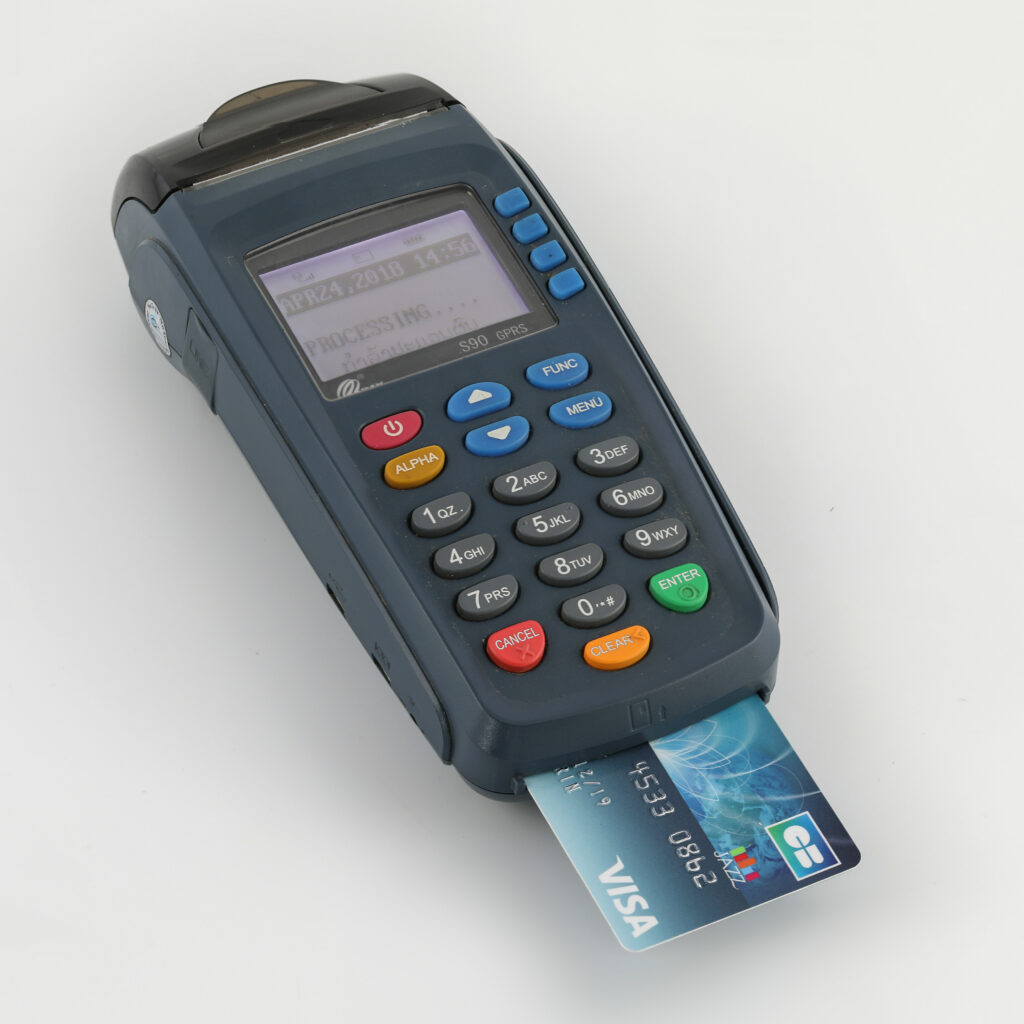
Fraud detection is the process of identifying attempts at deception, theft or illegitimate transactions within a business or financial system, typically by combining rule-based checks with statistical and artificial intelligence models that flag unusual activity for review. Banks, insurers, online retailers and payment processors all rely on fraud detection to catch stolen card use, fake insurance claims, account takeovers and other forms of financial crime, often within seconds of a transaction taking place.
How fraud detection works
A fraud detection system examines data about a transaction or claim, such as the amount, location, device used, and how it compares with a customer’s normal behavior, then scores how likely it is to be fraudulent. Transactions below a certain risk score are approved automatically, higher-risk ones may trigger extra verification steps such as a one-time passcode, and the highest-risk cases are usually sent to a human investigator. Because fraud patterns shift constantly as criminals adapt, most systems are updated or retrained regularly rather than left static.
Rule-based vs. machine-learning fraud detection
Early fraud detection relied mainly on fixed rules, such as blocking a card after several failed PIN attempts or flagging a purchase far from a customer’s home address. Rules are easy to understand and audit but struggle against new fraud tactics they were not written to catch. Modern systems add machine learning models trained on historical transaction data to recognize subtler patterns across many variables at once, which can catch fraud that explicit rules would miss, though these models require large, well-labeled datasets and ongoing monitoring to stay accurate.
Common fraud detection techniques
Anomaly detection compares new activity against a customer’s established pattern and flags significant deviations. Device fingerprinting and behavioral biometrics, covered in more detail under biometrics, look at signals like typing rhythm, device identifiers or how a person holds their phone to spot when an account is being used by someone other than its owner. Network or link analysis maps relationships between accounts, devices and payment details to uncover organized fraud rings that a single flagged transaction would not reveal on its own.
Where fraud detection is used
Banks use fraud detection to screen card payments and wire transfers in real time. Insurers apply it to claims data to spot staged accidents or inflated damage estimates. E-commerce platforms use it to catch stolen payment credentials and fake account signups, and healthcare payers use it to identify improper billing. Organizations increasingly combine these industry-specific systems with shared threat intelligence so that a pattern caught in one sector can help flag similar activity elsewhere. [1]
Limitations and challenges
No fraud detection system is perfect. Setting the risk threshold too low lets fraud through, while setting it too high creates false positives that block legitimate customers and frustrate them. Fraud tactics also evolve quickly, so a model trained on last year’s data can miss this year’s techniques without regular retraining. Because fraud detection relies on analyzing personal and transaction data, organizations must also balance detection accuracy against privacy obligations and regulations governing how that data can be collected, stored and used.
The cost of fraud and why detection matters
Fraud losses can be severe both for the institutions that absorb them directly and for the customers who have to deal with stolen funds, damaged credit or the hassle of disputing charges. Beyond the direct financial loss, organizations that fail to catch fraud quickly can face regulatory penalties, reputational damage and higher insurance or compliance costs. This is part of why fraud detection has become a continuous investment rather than a one-time project: the systems, the rules they rely on and the models behind them all need regular review as both legitimate customer behavior and fraud tactics keep changing over time.
FAQs
What is fraud detection? Fraud detection is the process of identifying likely fraudulent transactions or claims using a combination of rules, statistical analysis and machine learning, so that suspicious activity can be stopped or reviewed before it causes loss.
How does AI improve fraud detection? AI models can analyze far more variables at once than fixed rules, recognizing subtle patterns across large volumes of transactions and adapting as new data comes in, which helps catch fraud tactics that static rules were never written to detect.
What is a false positive in fraud detection? A false positive happens when a legitimate transaction is incorrectly flagged as fraudulent, which can inconvenience real customers and is one of the main trade-offs system designers have to manage.
Which industries use fraud detection the most? Banking, insurance, e-commerce and healthcare billing are among the heaviest users of fraud detection systems, since each handles large volumes of transactions or claims where fraud can cause significant financial loss.
Can fraud detection systems stop all fraud? No. Fraud detection reduces risk and catches most known patterns of fraudulent activity, but sophisticated or entirely new fraud techniques can still slip through until systems are updated to recognize them, which is why detection is paired with ongoing monitoring and investigation rather than treated as a one-time fix.
How quickly do fraud detection systems make decisions? Many fraud detection systems built into payment processing score and approve or decline transactions in real time, often within a second or two, so that legitimate customers are not kept waiting, while higher-risk cases are routed for additional checks.
More in Artificial Intelligence
Key facts
- Fraud detection systems score transactions for risk using both fixed rules and machine learning models trained on historical data.1
- Anomaly detection, device fingerprinting and network/link analysis are common fraud detection techniques.
- Banking, insurance, e-commerce and healthcare billing are among the heaviest users of fraud detection systems.
- False positives, where legitimate activity is wrongly flagged, are a central design trade-off in any fraud detection system.
Related concepts
Quick checkWhat is a false positive in fraud detection?Show answer
A false positive is when a legitimate transaction or claim is incorrectly flagged as fraudulent, which can inconvenience real customers and is a key trade-off system designers must manage.
Sources
- IBM, What is Fraud Detection?, https://www.ibm.com/think/topics/fraud-detection
Editorially reviewed by Specialty Digest Editorial TeamLast reviewed November 9, 2026Researched and drafted with AI assistanceReport an issue