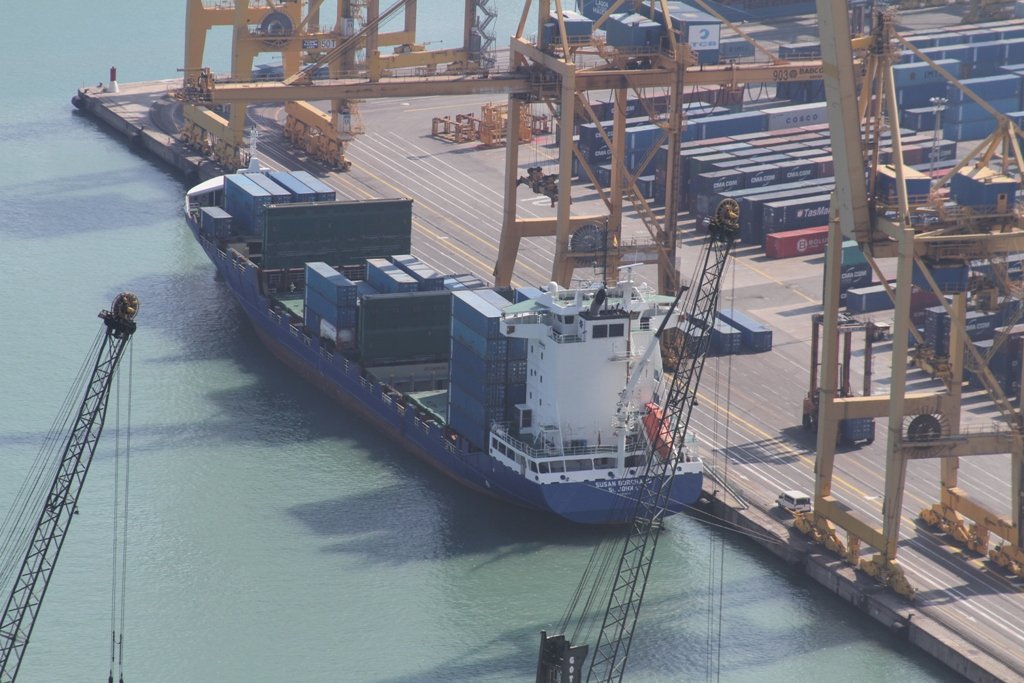
Role of a Freight Forwarder
A freight forwarder organizes the transportation of goods on behalf of a shipper, often coordinating several different carriers and transportation modes to move a single shipment from its point of origin to its final destination. Forwarders are especially important for international shipments, which typically involve multiple legs by truck, ocean vessel, and sometimes air.
Customs and Documentation
A major part of a freight forwarder’s work involves preparing and managing the extensive documentation required for international shipping, including bills of lading, commercial invoices, certificates of origin, and customs declarations. Forwarders often work closely with licensed customs brokers to ensure shipments clear customs without unnecessary delay or penalty.
Freight Forwarder Versus Freight Broker
While both forwarders and brokers typically do not own transportation equipment, forwarders generally handle more complex shipments, often international, involving multiple carriers and modes plus customs compliance, whereas brokers primarily focus on matching domestic truckload or LTL shipments with available carrier capacity.
Services Offered by Forwarders
Beyond arranging transportation, many freight forwarders offer additional services such as cargo insurance, warehousing, consolidation of smaller shipments into full container loads, and compliance consulting for shippers unfamiliar with the regulations of a particular country or trade lane.
Non-Vessel Operating Common Carriers
Many freight forwarders operate as non-vessel operating common carriers, meaning they issue their own bills of lading and take legal responsibility for cargo even though they do not own the ships that actually carry it. This structure allows forwarders to consolidate smaller shipments from multiple customers into full container loads, securing better rates from ocean carriers than any single small shipper could negotiate alone.
Forwarder Liability and Insurance
Freight forwarders typically carry liability insurance covering their role in arranging and documenting shipments, and many also offer cargo insurance options to shippers, protecting against loss or damage during transit. Shippers often rely on their forwarder’s expertise to recommend appropriate insurance coverage given the specific risks of a particular trade lane or cargo type.
Choosing a Freight Forwarder
Shippers typically select a freight forwarder based on the forwarder’s experience with specific trade lanes and commodity types, their network of carrier relationships, and their track record handling customs requirements in the relevant countries. For complex international shipments, this specialized expertise often justifies the forwarder’s fee compared with a shipper attempting to coordinate the same shipment independently.
Freight Forwarders and Supply Chain Consulting
Larger freight forwarders increasingly position themselves as supply chain consultants rather than pure transportation arrangers, offering services such as trade lane analysis, landed cost calculation, and recommendations on optimal shipping routes and modes based on a client’s specific cost and service priorities.
International Trade Compliance
Freight forwarders help shippers navigate export control regulations, denied party screening, and tariff classification requirements that vary significantly between countries, reducing the risk that a shipment is delayed, fined, or seized due to a compliance violation the shipper was unaware of.
Freight Forwarders and Small Businesses
Freight forwarders play a particularly valuable role for small and medium-sized businesses entering international trade for the first time, since these companies often lack the in-house expertise and carrier relationships that larger, experienced shippers have built up over years of managing their own international logistics.
Forwarder Technology Platforms
Many freight forwarders now offer online booking platforms and shipment tracking portals, giving smaller shippers visibility and self-service capability that was previously only available through direct, manually negotiated relationships with large carriers.
Freight Forwarder Networks and Alliances
Many freight forwarders participate in global networks or alliances with forwarders in other countries, allowing a forwarder in one country to offer seamless service for shipments that both originate and terminate in regions where the forwarder itself has no physical office, by relying on a trusted partner at the other end of the shipment.
Air Freight Forwarding
Air freight forwarding involves its own specialized expertise, including consolidating smaller shipments to fill cargo space efficiently and navigating the stricter weight, dimension, and dangerous goods restrictions that apply to air transport compared with ocean or ground shipping.
Forwarder Involvement in Project Cargo
Specialized freight forwarders handle project cargo, oversized or heavy industrial equipment such as turbines or construction machinery, requiring custom route surveys, specialized heavy-lift equipment, and close coordination between multiple transportation modes to move cargo that cannot use standard shipping infrastructure.
Forwarder Fee Structures
Freight forwarders typically charge a combination of a handling fee for arranging and documenting the shipment plus a markup on the actual transportation cost, with fee structures varying based on shipment complexity, the number of parties involved, and whether the forwarder is also providing warehousing or customs brokerage services.
Freight Forwarders and Insurance Claims
When cargo is lost or damaged in transit, freight forwarders often assist shippers in filing insurance claims and liaising with the underlying carrier, using their familiarity with claims procedures and documentation requirements to help shippers recover compensation more efficiently than navigating the process alone.
Freight Forwarding Industry Outlook
Freight forwarders continue to expand their technology offerings and consulting services, positioning themselves as essential partners for businesses navigating increasingly complex international trade compliance and multimodal routing decisions.
Ultimately, freight forwarders continue to serve as indispensable guides through the complexity of international shipping, particularly for businesses that lack the scale or experience to coordinate multimodal, cross-border logistics entirely on their own.
This guidance value is a core reason many businesses continue relying on forwarders even as direct-booking technology platforms expand.
Shippers weighing cost against complexity often find that forwarder fees are a reasonable price for avoiding costly compliance mistakes.
This value proposition explains the forwarding industry’s continued growth alongside expanding global trade.
Key facts
- Array
Quick checkHow does a freight forwarder differ from a freight broker?Show answer
A freight forwarder typically handles more complex, often international shipments, including customs documentation, while a broker mainly matches domestic truckload shipments with carriers.
Sources
- Array
Editorially reviewed by Specialty Digest Editorial TeamLast reviewed November 4, 2026Researched and drafted with AI assistanceReport an issue