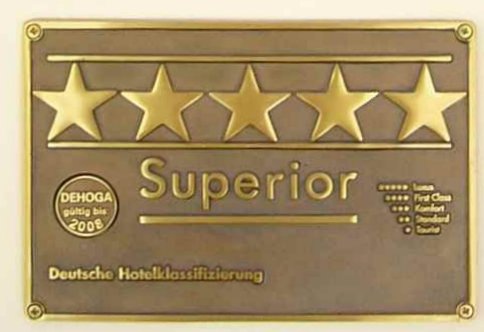
Overview
Hotel classification refers to the systems used to grade and categorize lodging properties according to their quality, amenities, and level of service.
Common Systems
Star ratings from one to five are the most widely recognized classification method internationally, while some countries use diamonds, crowns, or letter grades instead.
Who Assigns Ratings
Ratings may be assigned by government tourism boards, independent hotel associations, or commercial guidebook companies, with criteria differing significantly between systems.
Rating Methodologies
Classification systems typically evaluate properties against a checklist covering physical attributes such as room size, the presence of a pool or fitness center, and the number of dining outlets, alongside service attributes such as staffing levels and the availability of concierge or room service. Some systems weight physical infrastructure heavily, meaning a large property with extensive facilities can earn a high rating even if guest service quality varies, while other systems incorporate guest satisfaction survey data directly into the scoring formula, producing a rating that reflects lived experience rather than just amenities on paper.
Self-Rating Versus Independent Rating
In many markets, hotel owners self-assign a star rating with little or no external verification, a practice that invites inflation since properties have an incentive to claim a higher category than their facilities justify. Independent rating bodies, by contrast, send trained inspectors to verify claimed amenities and service standards against published criteria, producing ratings that travelers can trust more consistently, though independent inspection programs are more expensive to operate and are not universally available in every market or price tier.
Challenges and Criticism
Because no single global authority governs hotel classification, a four-star rating in one country can represent a meaningfully different guest experience than a four-star rating in another, creating persistent confusion for international travelers trying to compare options. Online travel agencies and review platforms have partially filled this gap by supplementing official star ratings with guest-generated review scores, which many travelers now treat as a more reliable signal of actual quality than the formal classification itself.
Role in Traveler Decision-Making
Despite its inconsistencies, hotel classification remains one of the first filters travelers apply when searching for accommodation, often set as a search parameter before any other criteria such as price or location. Travel agents, corporate travel policies, and government per diem rules frequently reference star categories directly, meaning classification systems carry real practical consequences for booking behavior even when their underlying rigor varies by market.
Historical Development
Formal hotel classification emerged alongside the growth of mass tourism and motoring in the early twentieth century, when automobile clubs and early tourism organizations began publishing guides rating roadside accommodations for traveling motorists who had no other way to judge unfamiliar properties before arrival. Over subsequent decades, national tourism boards in many countries formalized these informal grading efforts into official classification schemes, often tying ratings to taxation, licensing, or eligibility for tourism promotion funding, which gave classification systems regulatory weight beyond simple consumer guidance.
Alternative Classification Approaches
Beyond traditional star systems, some markets use alternative schemes such as the crown ratings once used in parts of the United Kingdom or diamond ratings used by certain North American auto club guides, each applying somewhat different weighting to factors like room size, service style, and facility range. A small number of properties pursue no formal classification at all, particularly ultra-luxury independent hotels that consider themselves above standard rating categories and rely instead on reputation and word of mouth among a well-traveled clientele.
Impact on Hotel Investment and Valuation
Classification level often influences how lenders and investors value a hotel asset, since a verified higher-star property can typically command stronger average daily rates and therefore stronger projected cash flows, making classification a meaningful input into appraisal and financing decisions beyond its direct marketing function. Developers planning a new property frequently design to a specific target classification level from the outset, since retrofitting a lower-tier property to meet higher classification standards after construction is usually far more expensive than building to those standards initially.
Reclassification and Renovation Cycles
Hotels periodically renovate specifically to maintain or upgrade their classification level, since aging facilities, outdated technology, or declining service standards can result in a property losing its previous rating during a re-inspection cycle. Many classification systems require periodic re-certification rather than granting a permanent rating, creating an ongoing incentive for owners to reinvest in property upkeep rather than allowing standards to drift downward over time.
Consumer Trust and Review Platforms
As guest-generated review scores have grown more influential, some travelers now weigh platform review ratings more heavily than official star classification when making booking decisions, particularly for independent properties without a recognizable chain affiliation. Hotels increasingly market their review scores alongside or even ahead of official star ratings in promotional materials, reflecting a broader shift in how travelers evaluate quality signals before booking.
Classification and Government Tourism Policy
In some countries, hotel classification is tied directly to tourism licensing requirements, meaning a property cannot legally operate as a hotel of a given category, or sometimes operate at all, without passing a government inspection against published classification criteria. This regulatory linkage gives government tourism authorities a degree of quality-control influence over the overall national hospitality sector that purely voluntary or commercial rating systems cannot achieve, though it also means classification disputes can carry licensing consequences rather than just reputational ones.
Classification Transparency Initiatives
Several tourism industry groups have proposed harmonized global classification standards over the years, aiming to reduce the confusion international travelers face when comparing ratings across borders, though achieving broad adoption has proven difficult given the many entrenched national systems and the commercial interests invested in existing rating structures.
Key facts
- Array
Quick checkWhy do hotel star ratings vary between countries?Show answer
Because no single global body administers them; each country or private rating organization sets its own criteria for amenities, service, and facilities.
Sources
- Array
Editorially reviewed by Specialty Digest Editorial TeamLast reviewed November 4, 2026Researched and drafted with AI assistanceReport an issue