Principles of Humane Slaughter
Humane slaughter practices aim to minimize pain, fear, and distress for animals during the final stages of food production, primarily through effective stunning methods intended to render an animal insensible to pain before the killing process begins. Stunning methods vary by species and facility type, including captive bolt devices for cattle, electrical stunning for poultry and swine, and controlled atmosphere methods using modified gas mixtures, each carrying distinct welfare and practical implementation considerations.
Regulatory Standards
Many countries maintain specific legal requirements governing humane slaughter, such as the U.S. Humane Methods of Slaughter Act, which establishes federal standards for stunning and handling at slaughter facilities, though coverage gaps exist for certain species and smaller-scale operations in various jurisdictions. Regulatory enforcement intensity and inspection frequency vary considerably, and welfare advocates frequently call for expanded coverage and stricter enforcement mechanisms to close gaps that leave some animals outside formal humane slaughter protections.
Pre-Slaughter Handling and Transport
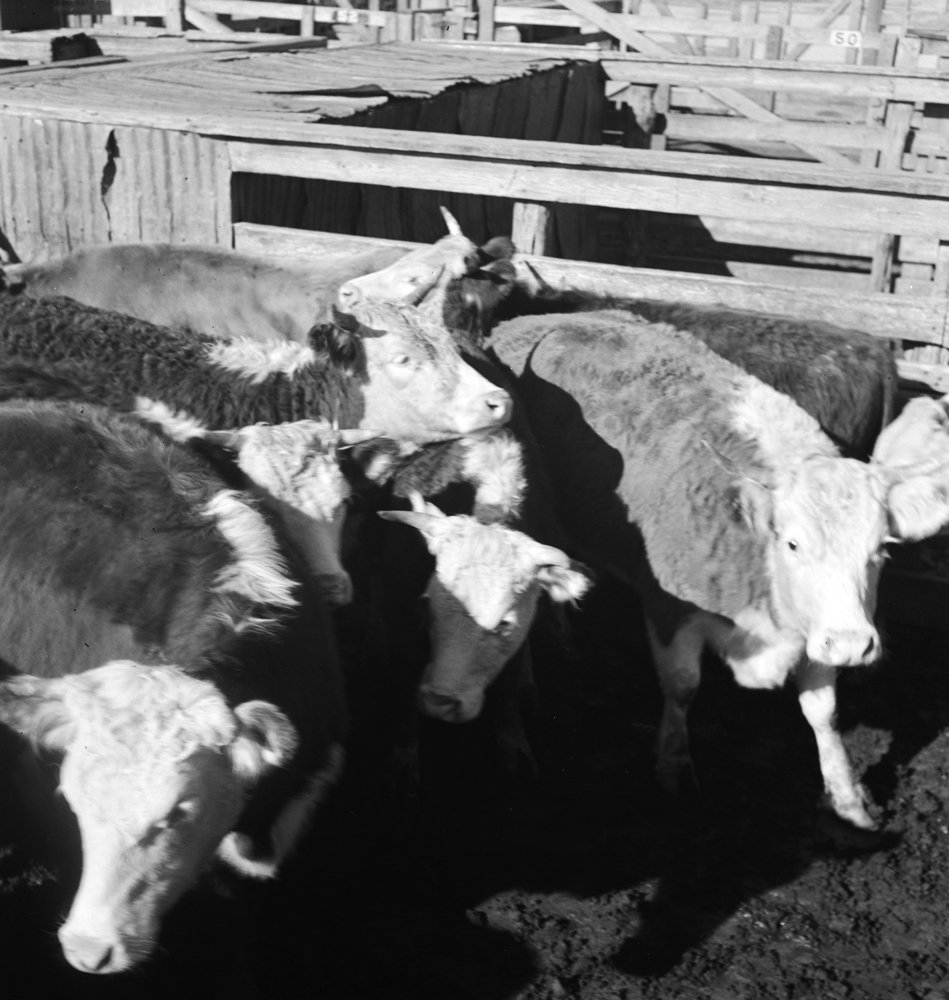
Welfare outcomes at slaughter depend significantly on handling and transport conditions preceding the slaughter process itself, since rough handling, overcrowding, extreme temperatures, and extended transport times can cause substantial stress and injury independent of the slaughter method ultimately used. Well-designed facility layouts that minimize animal stress during movement toward the stunning point, including reduced noise and appropriate lighting, have been shown to measurably improve welfare outcomes even when using identical stunning technology.
Religious Slaughter Methods
Religious slaughter methods, including kosher and halal practices, involve specific requirements around the slaughter process that have generated ongoing debate regarding pre-slaughter stunning. Some religious authorities and jurisdictions permit stunning before religious slaughter provided the animal remains alive at the time of the religious cut, while others maintain that traditional methods without prior stunning satisfy religious requirements, a debate that intersects religious freedom considerations with animal welfare science regarding pain experienced during unstunned slaughter.
Facility Design and Worker Training
Beyond regulatory requirements, facility design and worker training significantly affect humane slaughter outcomes in practice, since even well-designed stunning equipment can produce poor welfare outcomes if improperly maintained or operated by inadequately trained personnel. Industry audits and welfare certification programs increasingly emphasize both equipment standards and ongoing staff training and monitoring, recognizing that consistent humane outcomes depend as much on proper implementation as on the underlying technology or regulatory framework itself.
Monitoring and Verification of Slaughter Welfare
Verifying compliance with humane slaughter standards in practice requires ongoing monitoring, including direct observation by trained personnel and, increasingly, video monitoring systems that allow retrospective review of stunning and handling procedures. Some jurisdictions and major purchasers now require continuous video monitoring as a condition of certification or supply contracts, reflecting recognition that periodic in-person audits alone may not reliably capture day-to-day slaughter welfare performance across all shifts and operating conditions.
Consumer Awareness and Market Influence
Growing consumer awareness of humane slaughter practices has influenced market dynamics, with some retailers and food service companies adopting supplier requirements specifically addressing slaughter welfare alongside broader farm animal welfare standards. This market-driven pressure complements regulatory requirements, creating additional incentive for facilities to maintain consistent humane slaughter practices beyond the minimum legally required standard in their jurisdiction.
Training Standards for Slaughter Personnel
Comprehensive humane slaughter outcomes depend significantly on worker training quality, with leading facilities implementing detailed certification programs covering animal handling, stunning equipment operation, and recognition of stunning failure requiring immediate correction. Investment in thorough, ongoing staff training represents a critical but sometimes underemphasized component of humane slaughter compliance, since even excellent equipment and regulatory standards cannot ensure good outcomes without consistently skilled, attentive personnel implementing them correctly on the production floor.
Stunning Failure and Corrective Procedures
Despite best efforts, stunning failures can occur, requiring immediate detection and corrective action to minimize animal suffering, making real-time monitoring and rapid backup procedures essential components of any humane slaughter system. Facilities with robust failure-detection protocols and clear corrective action procedures generally demonstrate measurably better overall welfare outcomes than facilities relying solely on initial stunning success without systematic verification and backup procedures in place.
Industry Collaboration on Best Practices
Industry associations increasingly collaborate on developing and disseminating humane slaughter best practices, recognizing that consistent, high-quality implementation across an entire sector benefits both animal welfare outcomes and public trust in the food production system generally. These collaborative efforts complement regulatory requirements and individual facility certification, helping spread effective practices more broadly than regulation or certification alone might achieve across a fragmented, diverse processing industry.
Continued investment in training, technology, and oversight will likely keep improving humane slaughter outcomes across the food production industry in the years ahead.
Ultimately, these combined efforts reflect a broad, ongoing commitment to minimizing suffering throughout the food production process.
That shared commitment continues to drive measurable improvement across the processing industry as a whole.
Every facility shares responsibility for sustaining that progress through consistent, careful implementation.
None of this works without that consistent follow-through.
Regulators in several countries continue reviewing and updating humane slaughter requirements as new monitoring technology becomes more widely available and affordable.
That ongoing regulatory attention helps ensure humane slaughter standards keep pace with both technological capability and evolving societal expectations.
That attention remains essential to continued progress.
Few areas of food production draw this much sustained regulatory and public interest.
That interest reflects how much this process matters to people.
That matters enormously to everyone involved.
That shared concern spans the entire supply chain.
Nothing substitutes for that shared, ongoing attention.
Nothing else comes close to it.
It never does.
Key facts
- Array
Quick checkWhy does pre-slaughter handling and transport matter as much as the slaughter method itself for animal welfare outcomes?Show answer
Animals can experience significant fear, stress, and physical injury during transport, handling, and the waiting period before slaughter, meaning that even a technically humane slaughter method cannot fully offset poor welfare outcomes if the preceding handling and transport process itself caused substantial suffering, making the entire process chain relevant to overall welfare assessment.
Sources
- Array
Editorially reviewed by Specialty Digest Editorial TeamLast reviewed November 4, 2026Researched and drafted with AI assistanceReport an issue