What Defines a Low-Cost Carrier
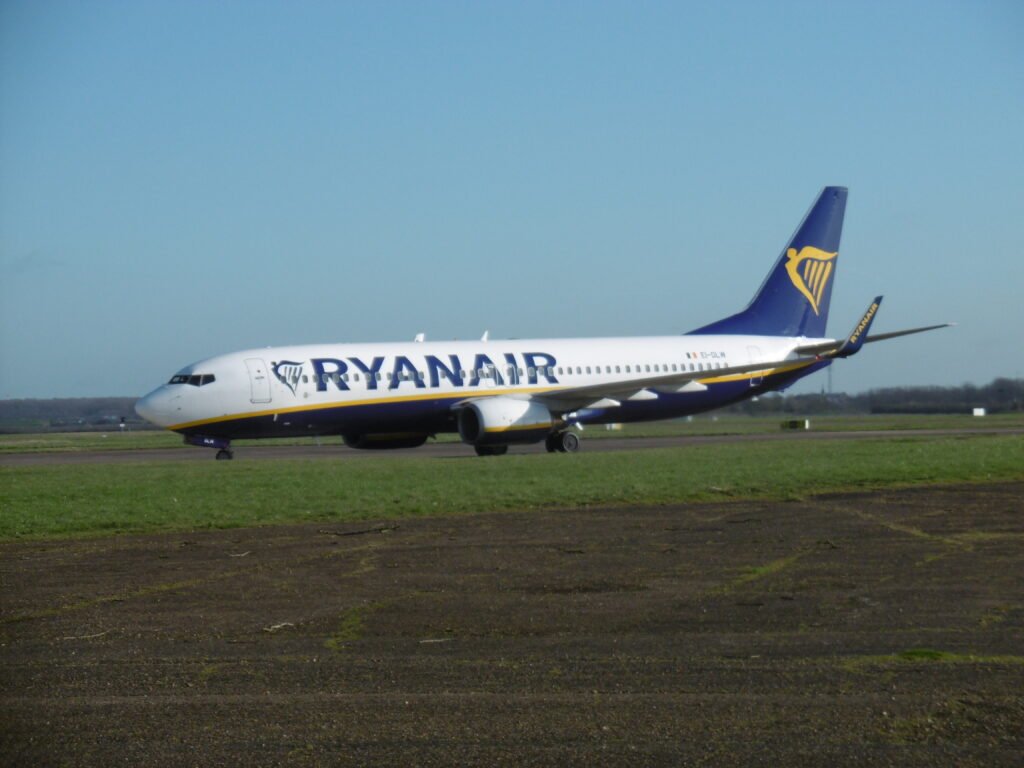
A low-cost carrier, often abbreviated LCC, is an airline business model built around offering lower base fares than traditional full-service network airlines by reducing operating costs and unbundling services that were traditionally included in the ticket price. Passengers typically pay separately for checked baggage, seat selection, and onboard food and beverages.
Operational Strategies for Lower Costs
Low-cost carriers commonly operate a single aircraft type across their entire fleet, simplifying pilot training, maintenance procedures, and spare parts inventory compared with airlines operating multiple aircraft types. Many also favor point-to-point route networks over hub-and-spoke systems, achieving faster aircraft turnaround times and higher daily aircraft utilization.
Secondary Airport Strategy
Many low-cost carriers choose to operate from secondary airports near major cities rather than primary hub airports, benefiting from lower landing fees and less congestion, even though these secondary airports may be less conveniently located for some passengers than the primary airport serving the same metropolitan area.
Ancillary Revenue
Unbundled fees for services such as baggage, seat selection, priority boarding, and onboard purchases, collectively known as ancillary revenue, have become an increasingly important part of low-cost carrier profitability, in some cases representing a substantial share of total revenue per passenger beyond the base ticket price.
Low-Cost Carrier Growth and Market Impact
The expansion of low-cost carriers has historically driven down average fares on routes where they compete with traditional network airlines, a pattern observed across many regions as legacy airlines adjust their own pricing and sometimes launch their own low-cost subsidiaries to compete more directly for price-sensitive travelers.
Ultra-Low-Cost Carriers
Some airlines take the low-cost model further as ultra-low-cost carriers, stripping the base fare down to only the seat itself and charging separately for nearly everything else, including carry-on bags in some cases, an approach that can produce extremely low headline fares while total trip cost for a fully equipped traveler may be closer to a traditional airline’s fare.
Challenges Facing Low-Cost Carriers
Low-cost carriers face their own operational challenges, including thinner profit margins that leave less cushion during fuel price spikes or demand downturns, and growing competitive pressure as legacy airlines adopt some low-cost practices themselves, narrowing the cost advantage that originally distinguished the low-cost model.
Low-Cost Carrier Route Selection
Low-cost carriers typically target underserved routes with strong demand potential but limited existing competition, often stimulating new travel demand that did not previously exist at prevailing fare levels, rather than simply competing head-to-head with established airlines on their most heavily contested routes.
Aircraft Utilization at Low-Cost Carriers
Low-cost carriers generally achieve higher daily aircraft utilization than traditional airlines by minimizing aircraft turnaround time at the gate, scheduling tighter connections between flights, and avoiding the operational complexity of managing a large hub with many simultaneous arrival and departure banks.
Low-Cost Carrier Market Entry and Exit
The low-cost airline sector has historically seen significant turnover, with new entrants launching to challenge established carriers while others exit the market or get acquired, reflecting both the competitive intensity of the low-cost segment and the capital-intensive nature of starting and sustaining an airline over the long term.
Low-Cost Carrier Labor Models
Many low-cost carriers maintain more flexible labor agreements and staffing models than legacy network airlines, allowing for the operational flexibility and tighter scheduling that the low-cost business model depends on, though labor relations in the low-cost sector have also become a significant point of negotiation and occasional dispute.
Long-Haul Low-Cost Carriers
Some airlines have extended the low-cost model to long-haul international routes, a more challenging application given the higher fixed costs of long-haul aircraft and crew requirements, with mixed success across different carriers that have attempted this expansion of the traditionally short-haul low-cost strategy.
Low-Cost Carrier Ancillary Innovation
Low-cost carriers continue to innovate in ancillary revenue, introducing new optional paid services such as premium seating tiers or bundled fare options, reflecting the ongoing search for additional revenue streams beyond the base fare that defines the low-cost business model.
Low-Cost Carriers and Airport Negotiation
Low-cost carriers often negotiate aggressively with secondary airports seeking new service, sometimes securing significant fee discounts or marketing support in exchange for committing to new routes, leverage that reflects how valuable new airline service can be to a smaller or underutilized airport seeking to grow traffic.
Low-Cost Carrier Brand and Customer Perception
Low-cost carriers have worked over time to shift customer perception away from an association with minimal comfort toward one of good value, often investing in newer aircraft and modest service improvements while still maintaining the fundamental unbundled pricing structure that keeps their base fares competitive.
Outlook for Low-Cost Carriers
The low-cost carrier model is likely to keep expanding into new markets and route types, even as the lines between low-cost and traditional network airlines continue to blur through mutual adaptation.
Travelers increasingly weigh total trip cost rather than headline fare alone, a shift that continues to influence how low-cost carriers design their pricing and service offerings.
This evolving expectation keeps pressure on every airline, low-cost or otherwise, to clearly communicate what a ticket price actually includes.
Transparency, in the end, benefits travelers most of all.
As the sector matures, clear pricing is likely to become even more of a competitive differentiator among carriers.
How well a carrier manages that balance often determines its long-term competitive position within the low-cost segment.
That balance continues to shape how the sector grows.
Clarity, in this market, is increasingly a selling point of its own.
Travelers notice, and reward, that honesty over time.
It is a lesson other transportation sectors continue to watch closely.
More in Aviation and Air Transport
Key facts
- Typically operates a single aircraft type to simplify maintenance and training
- Unbundles services such as baggage and seat selection into optional fees
- Often uses secondary airports with lower fees than major hub airports
Related concepts
Quick checkHow do low-cost carriers keep fares lower than traditional airlines?Show answer
By simplifying their fleet and operations, using point-to-point routing, and unbundling optional services into separate fees rather than including them in the base fare.
Sources
- International Civil Aviation Organization
- U.S. Federal Aviation Administration
Editorially reviewed by Specialty Digest Editorial TeamLast reviewed November 4, 2026Researched and drafted with AI assistanceReport an issue