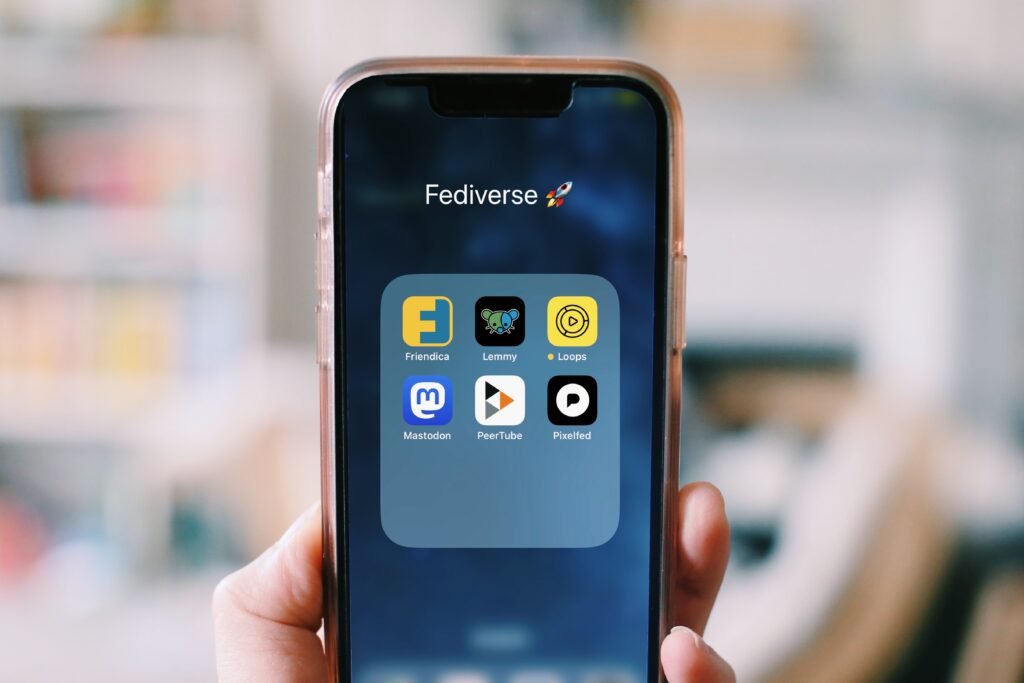
Mobile news consumption refers to the reading, watching, or listening to news content primarily through smartphones and other portable devices, which has become the dominant way many people access news in numerous countries. This shift has significantly influenced how news organizations design content, favoring shorter formats, vertical video, and push notifications that reach readers directly on their devices.
Design and Format Adaptations
News organizations have adapted their websites and applications specifically for mobile screens, prioritizing fast loading times, simplified navigation, and touch-friendly interfaces over the denser layouts common on desktop websites. Push notifications have become an important tool for driving immediate engagement with breaking news, though their overuse has also generated reader fatigue and prompted some publishers to be more selective about which stories warrant an alert.
Behavioral Patterns
Mobile news consumption tends to happen in short bursts throughout the day, often during commutes or brief downtime, which has reinforced demand for concise formats and headlines that communicate essential information even when a reader only glances at a story briefly. This consumption pattern has also increased the relative importance of headlines and preview text, since many mobile readers form an impression of a story without necessarily clicking through to read the full article.
Push Notification Strategy
News organizations have developed increasingly sophisticated approaches to push notifications, moving away from alerting readers to every published story toward more selective notification strategies reserved for genuinely significant breaking news. Overuse of push notifications in earlier years led to measurable reader fatigue and app uninstalls, prompting many publishers to adopt editorial guidelines specifically governing when a notification is warranted.
App Versus Mobile Web Consumption
Readers access mobile news through both dedicated applications and mobile web browsers, with each approach offering different tradeoffs regarding loading speed, offline access, and the ease of simply tapping a shared link without needing to install a separate app. Many publishers maintain both options simultaneously, recognizing that app installation represents a higher commitment threshold that only a portion of their total mobile audience will choose to cross.
Economic Considerations
Mobile advertising often generates lower per-view revenue than desktop advertising, partly due to smaller screen sizes limiting ad placement options, pushing some publishers to experiment with native advertising and subscription models specifically to offset this gap on mobile platforms. App development and maintenance also represent an ongoing cost center, requiring continuous updates to remain compatible with evolving mobile operating systems and device capabilities.
Looking Ahead
Continued growth in wearable devices and voice-activated assistants may introduce new mobile-adjacent news consumption formats beyond the smartphone screen, requiring publishers to further adapt content for emerging interfaces and interaction methods. Publishers are also likely to keep refining personalization and notification strategies, seeking a balance between timely alerts and avoiding the notification fatigue that eroded reader goodwill in earlier years of aggressive mobile push strategies.
Related Specialties
Mobile news consumption connects closely to social media news distribution, since so much mobile news discovery happens through social apps specifically. It also overlaps with subscription news models, as mobile apps are often a primary interface through which subscribers access paid content.
Dark Mode and Reading Comfort
Mobile news applications have widely adopted dark mode display options, reducing eye strain and battery consumption for readers browsing during evening hours or low-light conditions, reflecting broader mobile interface design trends adopted across many types of applications beyond news specifically. Font size adjustment and reading-mode features that strip away distracting visual elements have similarly become standard expectations for mobile news reading experiences.
Offline Reading Features
Some news applications allow readers to download articles for offline reading, addressing situations where mobile data connectivity is unreliable or expensive, particularly valuable for readers commuting through areas with inconsistent network coverage. This feature requires additional technical infrastructure to manage content caching and synchronization, representing one of several specialized considerations mobile-specific news experiences must address beyond simply shrinking a desktop website layout.
Battery and data usage efficiency have become competitive considerations for news apps, since readers are more likely to abandon an app that drains their device battery quickly or consumes excessive mobile data.
Accessibility features such as text-to-speech and adjustable contrast settings have become increasingly standard in mobile news applications, broadening usability for readers with visual or other impairments.
Many news apps now support widget integrations on phone home screens, surfacing headlines without requiring a reader to fully open the application each time.
Dark patterns in app design, which can pressure readers toward subscriptions or notifications through confusing interfaces, have drawn criticism and prompted some publishers to adopt clearer, more user-friendly mobile design practices.
Cross-device syncing, allowing a reader to start an article on one device and continue on another, has become an expected feature among major mobile news applications.
Some publishers have introduced lighter, data-saving versions of their mobile sites specifically for readers in regions with limited or expensive mobile data access.
Usability testing with real readers helps publishers identify and fix friction points in mobile navigation before they affect a broader audience.
Some mobile apps now include breaking news summary cards that condense a story into a few key points for readers who want the essential facts without reading a full article.
Permission requests for notifications and location data have become a point of first impression for new app users, with overly aggressive requests sometimes driving early uninstalls.
App store reviews and ratings provide publishers with direct feedback on mobile user experience, often surfacing technical issues or design frustrations that internal testing may have missed.
More in Broadcast & Digital Media
Key facts
- Has driven shorter formats and vertical video; relies heavily on push notifications for engagement; tends to happen in short bursts throughout the day.
Quick checkWhy have headlines become especially important for mobile news consumption?Show answer
Many mobile readers form an impression of a story from the headline alone without clicking through to read it fully.
Sources
- Based on general digital media consumption and mobile audience behavior literature.
Editorially reviewed by Specialty Digest Editorial TeamLast reviewed November 3, 2026Researched and drafted with AI assistanceReport an issue