Bureaucracy is a system of organization in which trained, non-elected officials carry out the laws and policies set by elected leaders or an institution’s governing body, following fixed rules, a clear chain of command, and a defined division of labor. The term originally described government administration, but it now applies just as readily to large
Bureaucracy Read More »
A system of organization run by trained, non-elected officials following fixed rules and a defined hierarchy.
In simple terms A coalition government is a government formed jointly by more than one political party. No single party runs it alone. Coalitions usually appear when an election gives no party a clear working majority, so parties that agree on enough to govern together join forces. How it works The trigger is arithmetic. The
Coalition government Read More »
A coalition government is a government formed jointly by two or more political parties, usually when no party won a working majority.
An electoral system is the set of rules that determines how votes are cast, counted, and converted into seats or offices. These rules decide who may vote, how candidates qualify for the ballot, how ballots are marked, and crucially, the formula used to turn vote totals into winners. The same underlying preferences among voters can
Electoral System Read More »
The set of rules that determines how votes are cast, counted, and converted into seats or offices.
In simple terms An executive order is a written instruction from the president of the United States to the federal government. The National Archives calls these official documents, numbered consecutively, through which the president manages the operations of the federal government. It is not a law passed by Congress. It directs the executive branch. How
Executive order Read More »
An executive order is a numbered written directive from the US president telling federal agencies how to act, within powers granted by law.
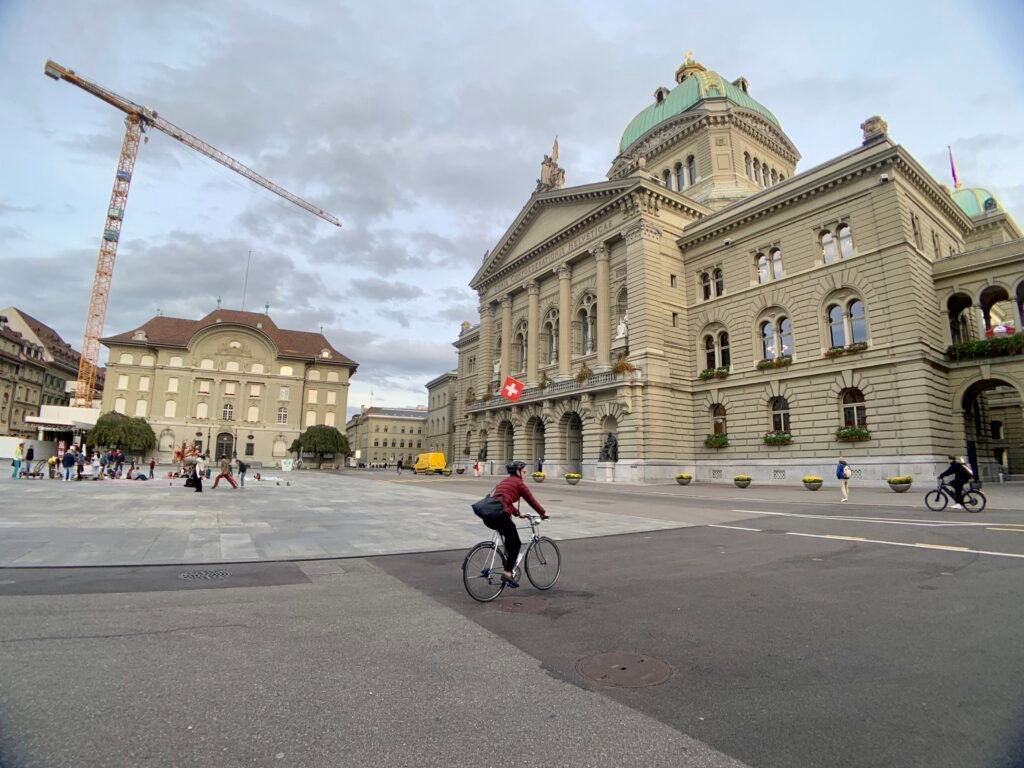
Federalism is a system of government that combines a central, national government with a set of regional sub-unit governments, such as states, provinces, or cantons, each holding genuine governing authority within its own sphere. Unlike a unitary state, where the central government holds ultimate authority and can in principle override or abolish regional governments, a
Federalism Read More »
A system of government combining a central national government with regional sub-unit governments, each holding constitutionally protected authority.
A political ideology is a connected set of ideas, values, and beliefs about how society and government should be organized, covering questions such as who should hold power, how the economy should be arranged, and what rights individuals should have. Ideologies combine a vision of the good society with a rough program for getting there,
Political Ideology Read More »
A connected set of ideas and values about how society and government should be organized.
A political party is an organized group of people who share broadly similar political goals and who coordinate to nominate candidates, contest elections, and try to control the levers of government. Parties give voters a simplified way to choose among competing visions for public policy, since evaluating a handful of party platforms is far easier
Political Party Read More »
An organized group that coordinates candidates and contests elections to influence or control government.
In simple terms Postal voting is a way of casting a ballot without going to a polling station. The election office posts the ballot to the voter, who fills it in and sends it back. International IDEA defines it as those measures that allow voters to submit their ballot by physical post to the election
Postal voting Read More »
Postal voting lets a registered voter mark a ballot at home and return it by mail instead of visiting a polling station.
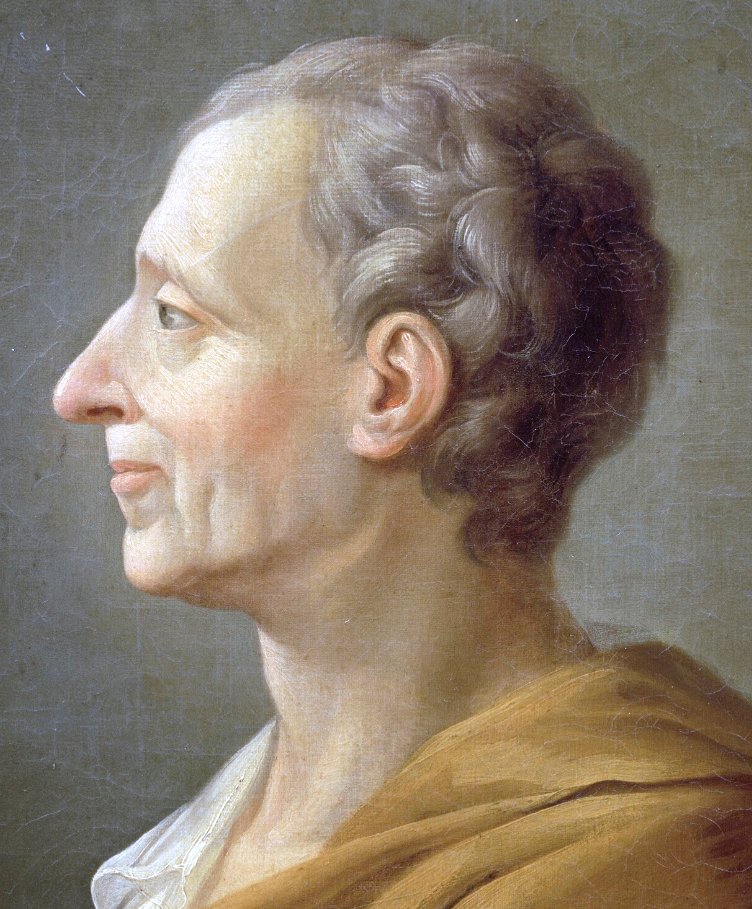
Separation of powers is a model of government organization that divides state authority into separate, independent branches, each holding its own distinct powers, so that no single branch can accumulate enough authority to dominate the others. The eighteenth-century French philosopher Montesquieu is widely credited with coining and popularizing the concept, which has since become a
Separation of Powers Read More »
A model of government that divides state authority among independent branches, paired with checks and balances, to prevent any one from dominating.
Sovereignty is the supreme authority a state holds over its own territory and population, free from outside control. It is the organizing principle of the modern international system: every recognized state is treated as the final legal authority within its own borders, equal in legal status to every other state regardless of size or power,
Sovereignty Read More »
The supreme authority a state holds over its own territory and population, free from outside control.