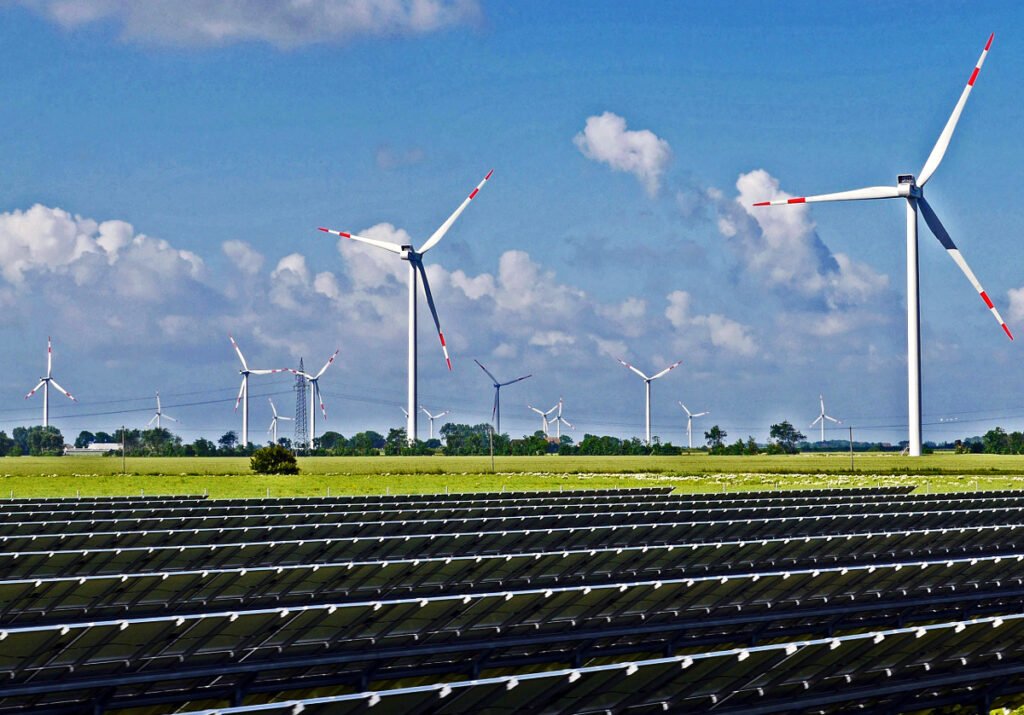
Environmental policy is the commitment by governments, international bodies, or organizations to adopt laws, regulations, and other tools aimed at managing pollution, waste, natural resources, biodiversity, and the broader health of ecosystems. Its underlying goal is to shape human activity so that economic and social life does not inflict unacceptable harm on the natural systems
Environmental Policy Read More »
Government commitment to laws and tools managing pollution, resources, and ecosystem health.
Healthcare policy is the set of decisions, laws, and plans governments and organizations adopt to pursue specific goals for a population’s health, covering everything from how medical care gets paid for to which medicines reach the market and how diseases are prevented in the first place. The World Health Organization emphasizes that an explicit, well-designed
Healthcare Policy Read More »
The decisions and laws governments adopt to pursue specific goals for a population's health.
Housing policy is the set of government actions aimed at ensuring that housing is available, affordable, and adequate, particularly for low-income and vulnerable households who cannot rely on the private market alone to meet their needs. Governments pursue this goal through a mix of direct provision, financial subsidies, regulation of the housing market, and rules
Housing Policy Read More »
Government action to ensure housing is available, affordable, and adequate, especially for low-income households.
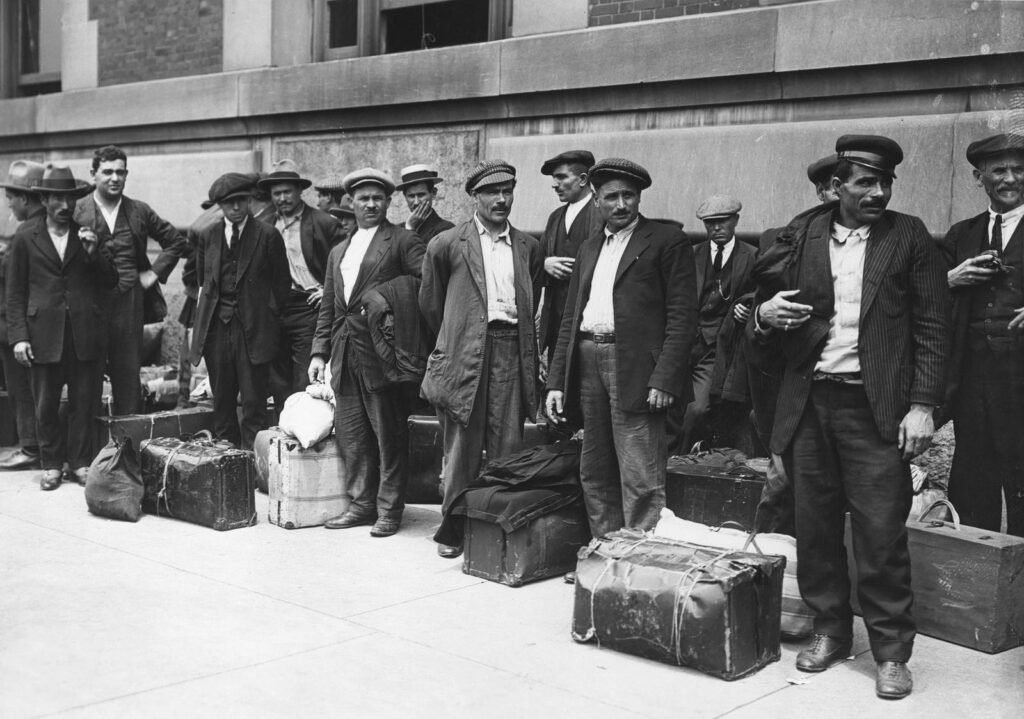
Immigration policy is the set of laws, regulations, and administrative practices a country uses to decide who may enter its territory, how long they may stay, and under what conditions they can eventually become citizens. It sits at the intersection of national sovereignty, labor markets, humanitarian obligation, and domestic politics, which helps explain why it
Immigration Policy Read More »
The laws and practices a country uses to decide who may enter, stay, and become a citizen.
Lobbying is the activity of paid professionals, typically called lobbyists, who work to influence key legislators, executives, and other government officials on behalf of a particular client, industry, or cause. It is generally conducted through private meetings, research and position papers, and sustained relationship-building with officials, distinguishing it from the broader, more general right of
Lobbying Read More »
The activity of paid professionals who work to influence legislators and government officials on behalf of a client, industry, or cause.
Policy analysis is the systematic, empirical study of how a public policy is formulated, adopted, and implemented, used to evaluate whether it actually addresses the economic, social, or other public problem it was designed to solve. Rather than relying on intuition or political instinct alone, policy analysis applies rigorous research methods to help decision-makers understand
Policy Analysis Read More »
The systematic, empirical study of how a public policy is formulated, adopted, and implemented, used to evaluate its effects.
Public policy is the set of laws, regulations, guidelines, and actions that a government adopts to address problems facing society. It represents the government’s chosen response, or deliberate non-response, to a given issue, and its actual implementation on the ground is generally carried out through the work of public administration. Defining public policy Scholars define
Public Policy Read More »
The set of laws, regulations, and actions a government adopts, or deliberately chooses not to adopt, to address problems facing society.
Regulatory capture is a form of corruption of authority in which a politician, policymaker, or regulatory agency, created to oversee an industry in the public interest, instead becomes co-opted to serve the interests of that very industry or another narrow constituency. Society as a whole loses out when regulators put special interests ahead of the
Regulatory Capture Read More »
A form of corruption in which a regulatory agency, created to serve the public interest, becomes co-opted to serve the industry it regulates.
Social welfare policy is the set of government programs and interventions designed to secure citizens’ basic wellbeing, typically providing cash or in-kind assistance to people in need along with insurance against risks such as illness, disability, old age, and unemployment. The broader collection of such programs within a country is often called the welfare state,
Social Welfare Policy Read More »
Government programs designed to secure citizens' basic wellbeing through cash aid, insurance, and services against risks like illness and old age.
A think tank is an organization that conducts research and advocacy on public policy questions, covering areas such as economics, social policy, foreign affairs, defense, and technology, with the goal of informing or influencing government decisions, media coverage, and public debate. Most think tanks are nongovernmental, though some operate as formal government agencies and others
Think Tank Read More »
An organization that conducts policy research and advocacy to influence government decisions and public debate.