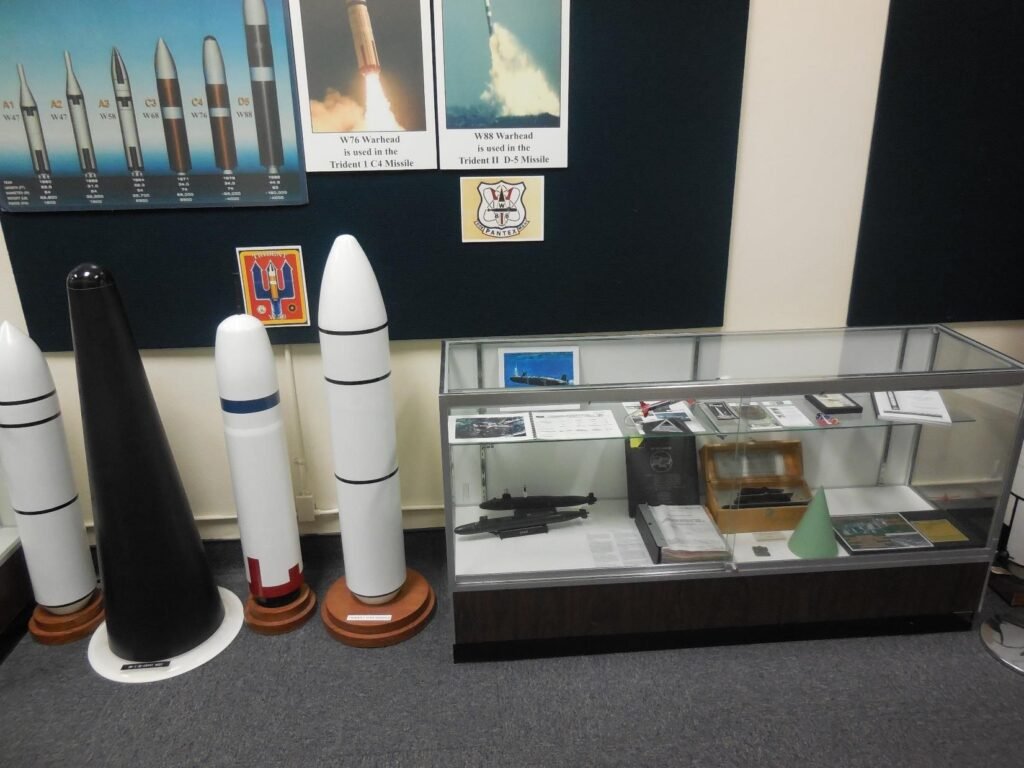
Arms control is the use of diplomacy and formal international agreements to limit, reduce, or regulate weapons, ranging from small arms and conventional military equipment to nuclear, chemical, and biological weapons of mass destruction. Unlike full disarmament, which aims to eliminate a weapons category entirely, most arms control agreements accept that certain weapons will continue
Arms Control Read More »
The use of diplomacy and treaties to limit, reduce, or regulate weapons, including weapons of mass destruction.
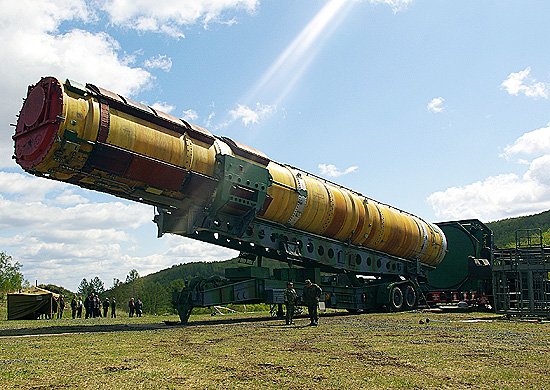
In simple terms A ballistic missile burns its rocket motor for only the first part of the journey. After that it is a thrown object, following the curve that gravity gives it. The Arms Control Association puts it plainly: ballistic missiles are powered by rockets initially but then follow an unpowered, free falling trajectory toward
Ballistic missile Read More »
A ballistic missile is rocket powered at launch, then coasts on an unpowered arc, falling under gravity onto its target.
In simple terms A cruise missile is a guided weapon that flies like an aircraft rather than arcing through space. A jet engine drives it for most or all of its flight. It stays inside the atmosphere, follows a route it can adjust, and can be launched from land, ships, submarines or aircraft. How it
Cruise missile Read More »
A cruise missile is an unmanned weapon that flies to its target through the atmosphere, powered the whole way like a small aircraft.
Cyberwarfare refers to the use of cyberattacks by or against a state, intended to cause damage comparable to traditional armed conflict, whether through espionage, sabotage of physical infrastructure, propaganda and disinformation, or direct economic harm. Experts disagree sharply over whether the term accurately describes what has actually happened in the real world so far, with
Cyberwarfare Read More »
The use of cyberattacks by or against a state intended to cause damage comparable to armed conflict.
Deterrence theory studies how the threat of retaliation or punishment can convince an adversary not to take an unwanted action in the first place. It is most strongly associated with nuclear strategy, where it describes how the threat of devastating retaliation can discourage a rival state from launching an attack, but the underlying logic applies
Deterrence Theory Read More »
A theory studying how the threat of retaliation can discourage an adversary from taking an unwanted action.
An intelligence agency is a government body tasked with gathering, analyzing, and acting on information in support of a state’s national security, foreign policy, military, and law enforcement goals. Intelligence agencies collect information through methods ranging from entirely open, publicly available sources to highly classified espionage and signals interception, and the information they produce is
Intelligence Agency Read More »
A government body that gathers, analyzes, and acts on information to support national security goals.
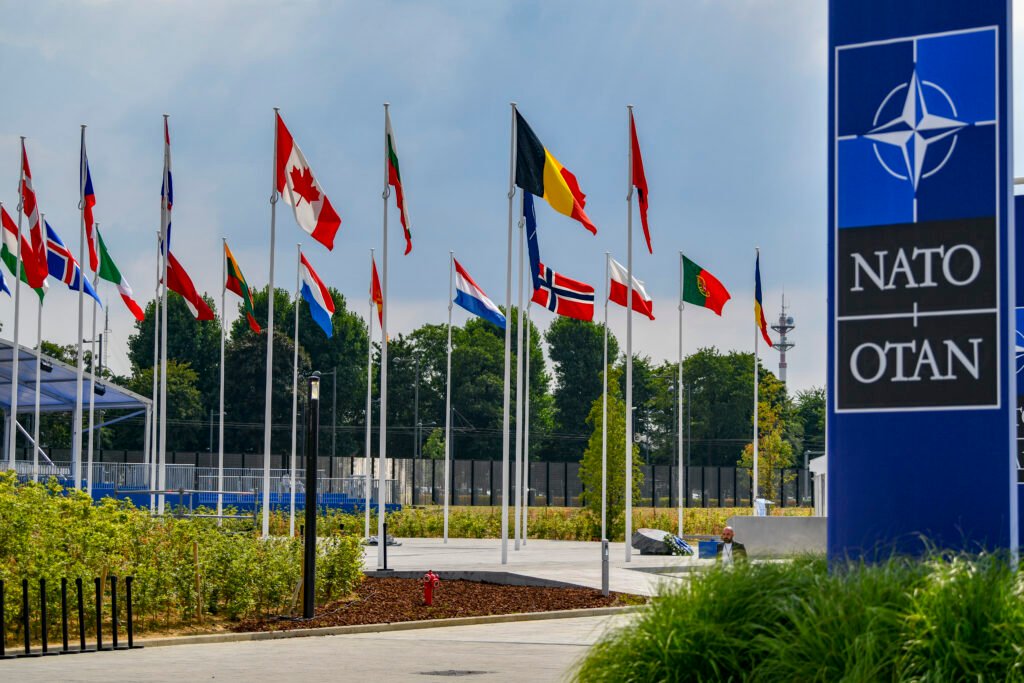
A military alliance is a formal agreement between two or more states establishing mutual obligations related to national security, typically including a commitment to come to one another’s defense if a member is attacked. Alliances let states pool military capability, share the financial and strategic burden of defense, and signal clearly to potential adversaries that
Military Alliance Read More »
A formal agreement between states establishing mutual defense and security obligations.
National security is the protection a state provides for its citizens, territory, economy, and core institutions against threats that could undermine their safety or survival. Governments across the political spectrum treat ensuring national security as among their most fundamental duties, but what counts as a genuine security threat has expanded enormously over time, moving well
National Security Read More »
The protection a state provides for its citizens, territory, economy, and institutions against major threats.
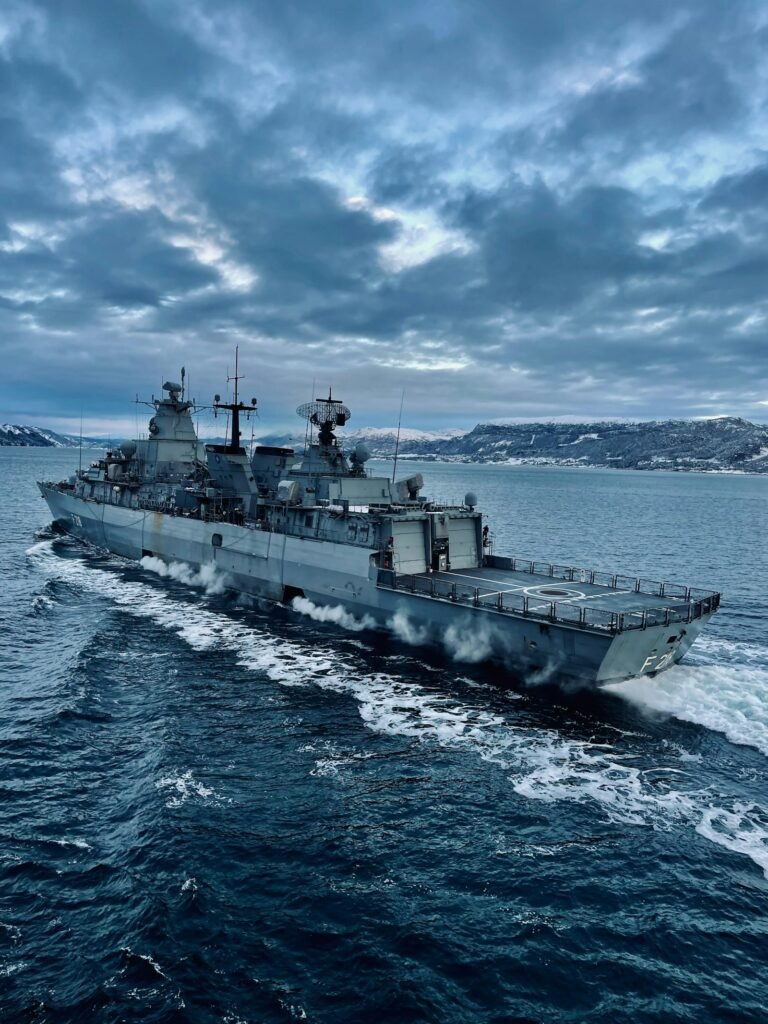
In simple terms A naval blockade is a warring state sealing off an enemy coast or ports by force, so that ships cannot get in or out. It is a method of warfare rather than a trade measure, and that difference decides which rules apply to it. A blockading navy stops ships from countries that
Naval blockade Read More »
A naval blockade is a warring state sealing off an enemy coast by force, stopping ships of all nations, not only the enemy fleet.
Terrorism generally refers to the deliberate use of violence or the threat of violence against civilians or other non-combatants to create fear and advance a political, religious, or ideological goal. Scholars broadly agree that no single definition of terrorism commands universal acceptance, partly because the term carries intrinsically negative connotations and is overwhelmingly applied to
Terrorism Read More »
The deliberate use of violence against civilians to create fear and advance a political or ideological goal.