Specialty Digest

Global English editionLearners’ Study Dashboard — in development
The Knowledge Library for All
Encyclopedia / Library & Information Studies

Information Science & Retrieval

Specialty Knowledge entries in Information Science & Retrieval.

A library reading room, illustrating the scholarly setting for bibliometric research

Bibliometrics

Measuring Scholarly Communication Quantitatively Bibliometrics applies quantitative methods to the study of publications, citations, and related patterns of scholarly communication, turning questions about research influence and trends into measurable data rather than subjective impression alone. Librarians, research administrators, and funding agencies all draw on bibliometric methods for different purposes. Common Indicators Citation counts, measuring how

Bibliometrics Read More »

The quantitative study of publications, citations, and other scholarly communication patterns to measure research impact and trends.

A dictionary cover, illustrating a structured reference vocabulary

Controlled Vocabulary

Standardizing How Concepts Are Named A controlled vocabulary is a fixed, pre approved list of terms that catalogers and indexers use to describe the subject matter of an information resource, replacing the inconsistency of free text description with a single agreed upon label for each concept. This structure makes retrieval far more reliable than relying

Controlled Vocabulary Read More »

A predefined, standardized set of terms used to index and retrieve content consistently within an information system.

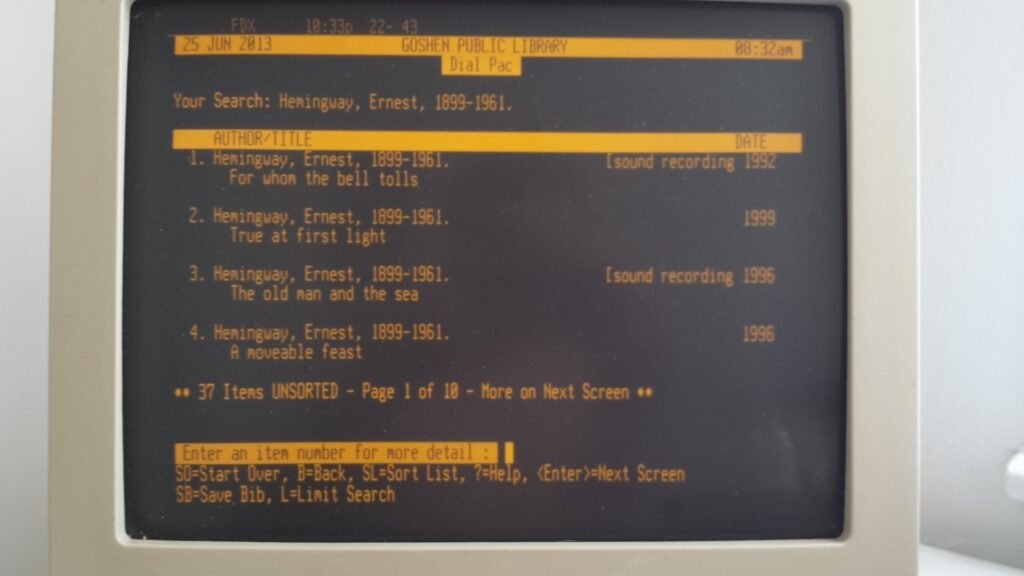
A library catalog search results screen, illustrating full text search

Full Text Search

Searching the Complete Content of Documents Full text search examines the entire textual content of a document rather than limiting retrieval to titles, abstracts, or assigned subject terms, dramatically expanding what a search can find within a large digital collection. This approach became widely practical only once digitization projects and falling storage costs made it

Full Text Search Read More »

A search method that examines the complete text of documents rather than only titles, subject headings, or other descriptive metadata.

A whiteboard brainstorming session, illustrating information architecture planning

Information Architecture

Structuring Information for Findability Information architecture is the discipline of organizing content and functionality within a digital product so that people can navigate it intuitively and find what they came looking for. A well structured website lets visitors predict where to look for a given piece of content, while a poorly structured one leaves them

Information Architecture Read More »

The practice of organizing, structuring, and labeling information so that people can find and use it efficiently within a system such as a website or application.

Server racks illustrating the computing infrastructure behind information retrieval

Information Retrieval

Finding Relevant Information in Large Collections Information retrieval is the field concerned with locating material relevant to a query within a large body of stored documents, whether that body is a library catalog, a corporate document archive, or the entire indexed web. Every modern search engine rests on principles developed within this field, even though

Information Retrieval Read More »

The science and practice of finding information resources relevant to a query within a large collection of stored material.

A person searching on a laptop, illustrating information seeking behavior

Information Seeking Behavior

Studying How People Pursue Information Information seeking behavior research examines the full human process of recognizing an information need, deciding how to pursue it, searching and evaluating what is found, and ultimately determining whether the need has been satisfied. This broader framing captures far more than the moment someone types a query into a search

Information Seeking Behavior Read More »

The study of how people recognize, pursue, and satisfy their need for information in a given situation.

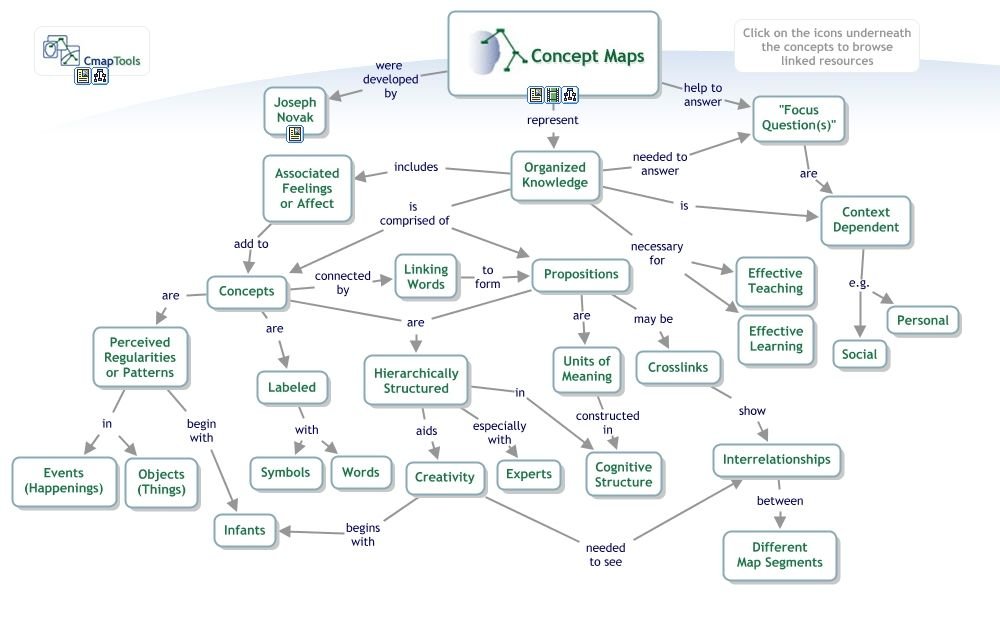
A concept map diagram, illustrating a knowledge organization system

Knowledge Organization Systems

Organizing Concepts and Their Relationships Knowledge organization systems is an umbrella term covering the various structured tools, including thesauri, taxonomies, classification schemes, and ontologies, that information professionals use to organize concepts within a subject domain and define how those concepts relate to one another. These systems provide the structural backbone that lets large, complex collections

Knowledge Organization Systems Read More »

Structured schemes such as thesauri, taxonomies, and ontologies used to organize concepts and their relationships within a domain.

A card catalog drawer, illustrating traditional descriptive metadata

Metadata Standards

Describing Resources Consistently Metadata standards are agreed upon schemas that specify which descriptive fields to record about an information resource and how to format them, allowing different systems and institutions to describe similar material in comparable ways. Without such standards, a photograph description created by one archive would look nothing like a comparable description from

Metadata Standards Read More »

Structured schemas that describe the attributes of information resources in a consistent, shareable format.

A medal podium, illustrating the concept of ranking results by order

Relevance Ranking

Ordering Results by Estimated Usefulness Relevance ranking determines the order in which a search system presents results that match a query, a task just as important to user satisfaction as whether relevant material was retrieved in the first place, since few users look beyond the first handful of results regardless of how comprehensive the underlying

Relevance Ranking Read More »

The process by which a search system orders retrieved results according to their estimated usefulness to a particular query.

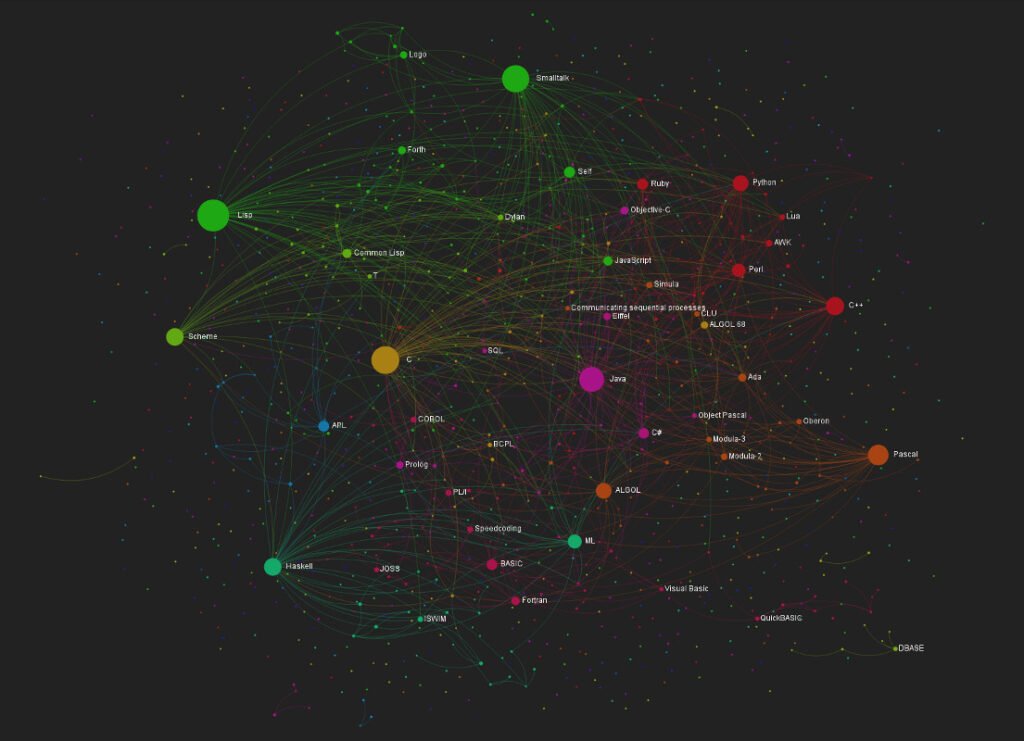
A network graph of interconnected nodes, illustrating semantic web data relationships

Semantic Web

Making Web Data Machine Readable The semantic web describes an extension of the ordinary web designed so that the meaning of data, not just its visual presentation, becomes something software can process directly. While a human reader can easily understand that a webpage describes a person birth date and occupation, traditional web markup gives software

Semantic Web Read More »

An extension of the web designed to make data machine readable and interconnected through standardized formats that describe meaning, not just display.