Purpose and Scope of Wildlife Disease Surveillance
Wildlife disease surveillance involves systematic monitoring of wild animal populations to detect disease occurrence, track outbreak patterns, and assess broader ecological and public health risks. This work has grown significantly in importance as researchers have documented the substantial role wildlife plays as a reservoir for pathogens capable of affecting not only wildlife populations themselves but also domestic animals and, in the case of zoonotic diseases, human populations through various transmission pathways.
Zoonotic Disease Risk and Spillover
A significant proportion of emerging infectious diseases affecting humans have wildlife origins, transmitted through direct contact, vector species such as mosquitoes or ticks, or intermediate domestic animal hosts. Surveillance programs monitoring wildlife populations for specific pathogens can provide early warning of potential spillover risk, allowing public health and veterinary authorities to implement preventive measures before a pathogen achieves wider transmission within human or livestock populations, a capability that has gained particular policy attention following several high-profile emerging disease events.
Diseases Affecting Wildlife Populations Directly
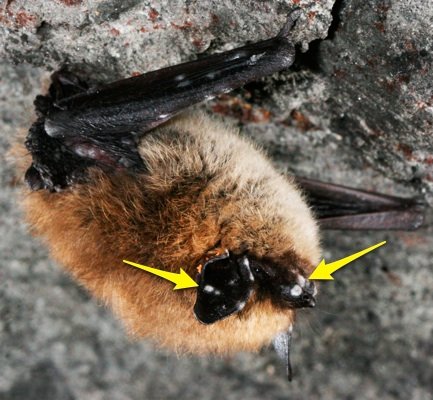
Beyond zoonotic concerns, certain diseases pose direct threats to wildlife population viability. Chronic wasting disease, a fatal neurological condition affecting deer and elk populations in parts of North America, has prompted significant monitoring and management efforts given its persistent environmental contamination and lack of effective treatment. White-nose syndrome in bats and chytrid fungus in amphibians represent other examples of wildlife diseases that have caused severe population declines in affected species, illustrating how disease can function as a primary conservation threat independent of habitat loss or other pressures.
Surveillance Methods and Challenges
Wildlife disease surveillance employs methods including active sampling of captured or hunter-harvested animals, passive reporting of found carcasses, and increasingly, non-invasive sampling techniques such as environmental DNA detection. Significant challenges include the difficulty of accessing wild populations for systematic sampling, limited baseline health data for comparison, and the logistical complexity of coordinating surveillance across jurisdictional boundaries that wildlife populations do not respect in their natural movement patterns.
Interagency Coordination
Effective wildlife disease management typically requires coordination between wildlife agencies, public health authorities, and agricultural departments, since disease risks often span these traditionally separate institutional domains. The One Health framework, which explicitly integrates human, animal, and environmental health considerations, has gained traction as a coordinating philosophy for addressing wildlife disease issues that carry implications extending well beyond wildlife conservation alone into broader public and agricultural health policy.
Technological Advances in Surveillance
Advances in genomic sequencing, remote sensing, and environmental DNA detection have substantially expanded wildlife disease surveillance capability, allowing researchers to detect pathogen presence from environmental samples such as water or soil without requiring direct animal capture. These technologies have proven particularly valuable for monitoring cryptic or hard-to-access species and for detecting pathogens at low prevalence levels that might otherwise go undetected until an outbreak had already caused substantial population impact.
Case Study Value of Historical Outbreaks
Historical wildlife disease outbreaks, including documented die-offs affecting various bird, amphibian, and mammal populations, have provided valuable case studies informing current surveillance program design and outbreak response protocols. Lessons drawn from past events, including the importance of rapid reporting networks and interagency coordination, continue to shape how wildlife health professionals structure surveillance systems intended to detect and respond to emerging threats more quickly than historical response efforts were able to achieve.
Role of Veterinary Pathologists
Veterinary pathologists play a central diagnostic role in wildlife disease surveillance, examining tissue samples from deceased or euthanized wild animals to identify disease causes and track pathogen presence across sampled populations. This diagnostic work often reveals disease patterns that inform broader management decisions, including whether an observed die-off reflects an isolated incident or signals a more significant emerging threat requiring expanded surveillance and coordinated management response across affected wildlife populations and jurisdictions.
Balancing Surveillance with Animal Welfare
Wildlife disease surveillance programs must balance the scientific and public health value of sample collection against animal welfare considerations, since capture, handling, and sampling procedures themselves carry stress and injury risk for study animals. Non-invasive sampling methods and careful protocol design help minimize this welfare impact, reflecting growing recognition within the wildlife health field that surveillance value and animal welfare protection need not be fundamentally at odds when programs are thoughtfully designed and implemented.
Global Surveillance Networks
International wildlife disease surveillance networks, which share data and coordinate response protocols across national boundaries, have become increasingly important given how readily wildlife pathogens can spread across jurisdictions that wildlife populations themselves do not recognize as meaningful boundaries. These networks support faster outbreak detection and more coordinated response than isolated national surveillance systems could achieve alone, reflecting the fundamentally transboundary nature of many significant wildlife disease threats.
As global trade, travel, and land-use change continue to increase contact between wildlife, domestic animals, and human populations, robust wildlife disease surveillance is likely to remain an increasingly essential component of both conservation and public health infrastructure worldwide.
Sustained investment in surveillance infrastructure and interagency coordination will remain essential to detecting and responding to future wildlife health threats before they escalate further.
Expanding laboratory capacity and training for field biologists continues to strengthen the overall responsiveness of wildlife health monitoring systems worldwide.
That strengthened capacity benefits wildlife, domestic animals, and human communities alike as disease threats continue to evolve across an increasingly connected world.
As surveillance capacity continues to expand, researchers anticipate that earlier detection of emerging wildlife health threats will increasingly allow preventive intervention before a pathogen can spread widely across vulnerable wildlife populations or spill over into domestic animals and humans.
Key facts
- Array
Quick checkWhy is wildlife disease surveillance considered relevant to human public health, not just animal conservation?Show answer
Many emerging infectious diseases affecting humans originate in wildlife populations and can spill over through direct contact, vector transmission, or intermediate domestic animal hosts, so early detection of disease in wildlife through surveillance can provide critical advance warning before a pathogen spreads more widely into human or livestock populations.
Sources
- Array
Editorially reviewed by Specialty Digest Editorial TeamLast reviewed November 4, 2026Researched and drafted with AI assistanceReport an issue