Origins of the Discipline Conservation biology crystallized as a distinct academic discipline in the 1980s, emerging from the recognition that existing fields such as wildlife management and ecology lacked an integrated framework explicitly oriented toward preventing biodiversity loss. Founding figures in the field argued that the accelerating extinction crisis required a crisis-discipline approach, analogous to
Conservation Biology Read More »
The scientific discipline that studies the dynamics of biodiversity loss and develops evidence-based methods to protect species, populations, and ecosystems.
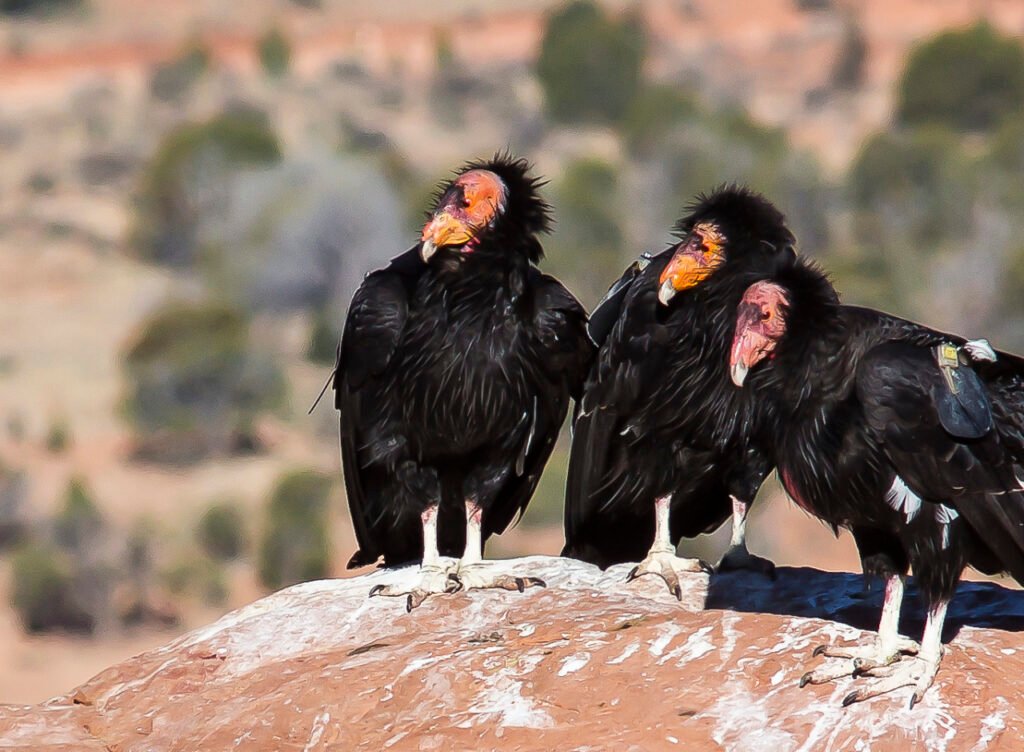
Legal Frameworks for Endangered Species Endangered species management operates within formal legal structures that define protected status and associated restrictions. In the United States, the Endangered Species Act of 1973 established a tiered classification system distinguishing endangered from threatened species, each carrying different levels of legal protection. Many other countries maintain analogous legislation, while international
Endangered Species Management Read More »
The targeted conservation planning and intervention applied to species facing a high risk of extinction, guided by legal designation and recovery planning frameworks.
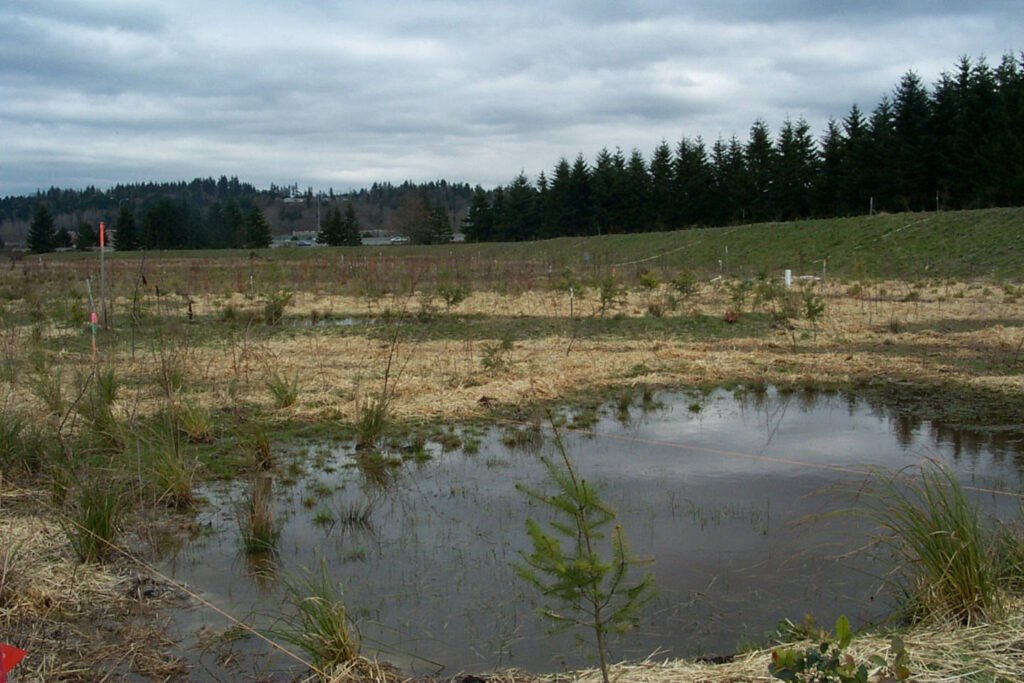
Principles of Habitat Restoration Habitat restoration seeks to reestablish the ecological structure, composition, and function of a degraded ecosystem, ideally returning it to a condition resembling its pre-disturbance state or a closely analogous healthy reference condition. The discipline draws on ecological theory regarding succession, species interactions, and ecosystem processes to guide intervention design, recognizing that
Habitat Restoration Read More »
The active rehabilitation of degraded, damaged, or destroyed ecosystems to restore their ecological function and capacity to support native wildlife.
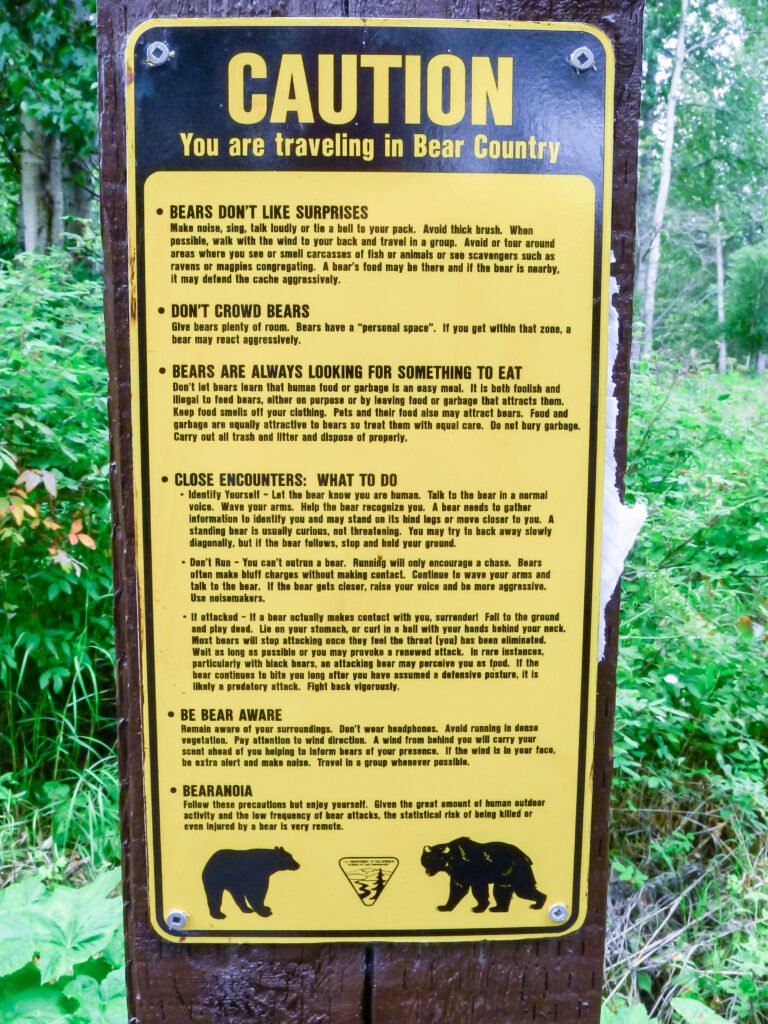
Nature and Scope of Human-Wildlife Conflict Human-wildlife conflict encompasses a range of negative interactions, including crop damage, livestock predation, property destruction, and direct physical danger to people, arising when wildlife and human activities overlap spatially or compete for the same resources. Conflict intensity tends to increase as human development and agricultural expansion push further into
Human-Wildlife Conflict Management Read More »
The study and practical mitigation of negative interactions between humans and wild animals, balancing human safety and livelihoods with wildlife conservation goals.
Classification of Protected Areas Protected areas span a wide spectrum of management approaches, formally categorized by the IUCN from strict nature reserves, which prioritize minimal human disturbance, through national parks and habitat management areas, to multiple-use protected landscapes that permit regulated sustainable activity alongside conservation goals. This classification system helps standardize international reporting and comparison,
Protected Area Management Read More »
The planning, governance, and on-the-ground administration of national parks, reserves, and other legally designated areas set aside for conservation purposes.
Scope and Goals of Wildlife Conservation Wildlife conservation encompasses the scientific study, policy development, and on-the-ground management practices aimed at maintaining viable populations of wild species and the ecosystems that support them. The field has evolved considerably from early twentieth-century efforts focused narrowly on game species management toward a broader ecosystem-based approach that recognizes the
Wildlife Conservation Read More »
The practice and policy of protecting wild animal species and their habitats from decline, extinction, and the pressures of human activity.
Purpose and Scope of Wildlife Disease Surveillance Wildlife disease surveillance involves systematic monitoring of wild animal populations to detect disease occurrence, track outbreak patterns, and assess broader ecological and public health risks. This work has grown significantly in importance as researchers have documented the substantial role wildlife plays as a reservoir for pathogens capable of
Wildlife Disease Surveillance Read More »
The systematic monitoring and investigation of disease occurrence in wild animal populations to detect outbreaks and assess risks to wildlife, livestock, and human health.
Fundamentals of Population Dynamics Wildlife population ecology examines how population size and structure change over time as a function of birth rates, death rates, immigration, and emigration, collectively determining whether a population grows, declines, or remains stable. Understanding these dynamics requires tracking not just total population size but also age and sex structure, since a
Wildlife Population Ecology Read More »
The scientific study of how wildlife population size, density, and structure change over time in response to birth, death, migration, and environmental factors.
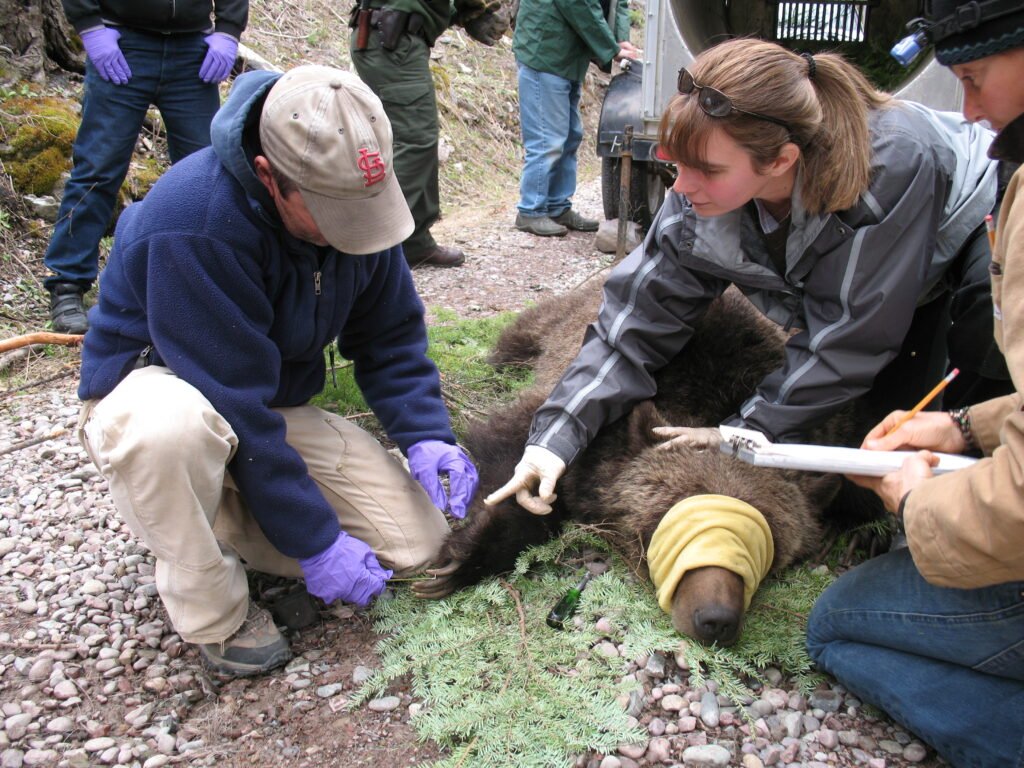
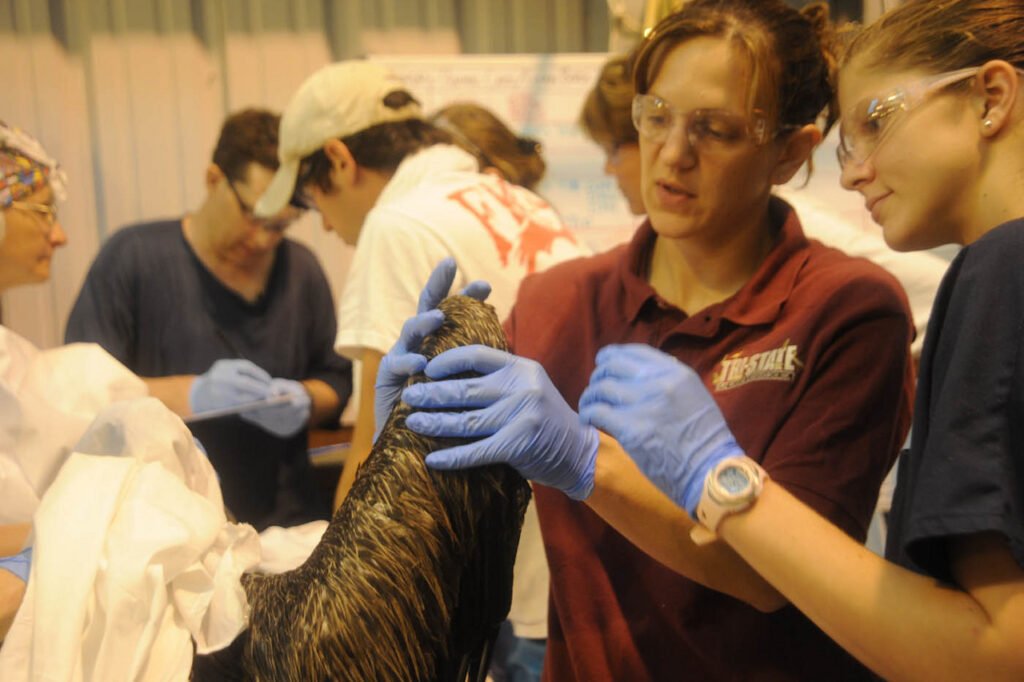
Scope of Wildlife Rehabilitation Practice Wildlife rehabilitation addresses the short-term medical and husbandry needs of injured, orphaned, or displaced wild animals with the explicit goal of eventual release back into their natural habitat, distinguishing it from permanent captive care facilities such as zoos. Rehabilitators handle an enormous diversity of species, from songbirds and small mammals
Wildlife Rehabilitation Read More »
The veterinary and husbandry care of injured, orphaned, or displaced wild animals with the goal of returning them to their natural habitat.
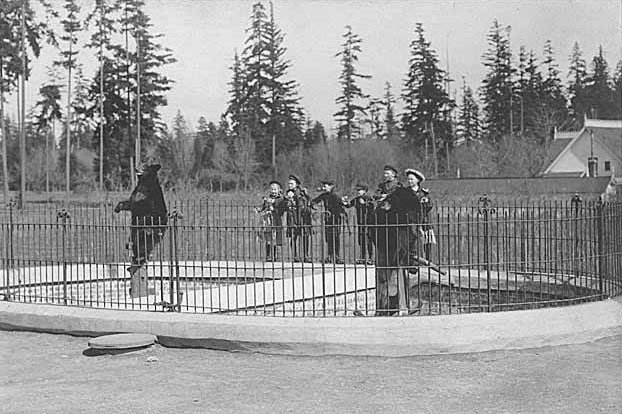
Evolution of Zoo and Aquarium Practice Modern zoo and aquarium management has shifted substantially from earlier models emphasizing display and entertainment toward an integrated mission combining animal welfare, conservation, education, and scientific research. This evolution reflects both advancing scientific understanding of animal cognition and welfare needs and growing public expectation that these institutions justify their
Zoo and Aquarium Management Read More »
The professional operation of zoological and aquatic facilities, encompassing animal welfare, conservation breeding, visitor education, and scientific research.