Palestine refers to the West Bank and the Gaza Strip, two separate territories in the eastern Mediterranean region of the Middle East. The Palestinian Authority administers parts of this territory under interim arrangements dating to the 1990s, and the United Nations General Assembly recognizes it as a non-member observer state under the name “State of
Palestine: Geography, History and Political Status Read More »
Palestine refers to the West Bank and Gaza Strip, a Palestinian territory in the Middle East whose statehood and borders remain internationally disputed.
Panama is a narrow, S-shaped country in Central America best known as the site of the Panama Canal, the artificial waterway that joins the Atlantic and Pacific Oceans and reshaped global trade for more than a century. Where Is Panama Located? Panama sits at the narrowest point of the land bridge connecting North and South
Panama: Geography, History, Culture and Key Facts Read More »
Panama is a narrow Central American nation joining North and South America, home to the canal linking the Atlantic and Pacific.
Papua New Guinea is an island country in the southwestern Pacific Ocean that occupies the eastern half of the island of New Guinea, along with the Bismarck Archipelago, Bougainville, and hundreds of smaller islands. It is one of the most culturally and linguistically diverse nations on Earth, a fact documented across decades of linguistic and
Papua New Guinea: Geography, History, Culture and Key Facts Read More »
Papua New Guinea is a Pacific island nation of extraordinary linguistic and cultural diversity, occupying the eastern half of New Guinea and its surrounding islands.
Where Is Paraguay Located? Paraguay is a landlocked country in south-central South America, sharing borders with Bolivia to the north and west, Brazil to the east and northeast, and Argentina to the south and southwest. Along with Bolivia, it is one of only two countries on the continent with no coastline. The Paraguay River runs
Paraguay: Geography, History, Culture and Key Facts Read More »
Paraguay is a landlocked South American country known for its Spanish-Guarani bilingual culture and the massive Itaipu hydroelectric dam.
Paris is the capital of France, a city built along the Seine River that has grown from a small settlement on an island in the river into one of the world’s most visited cities. Its historic core, including the banks of the Seine and landmarks such as the Eiffel Tower, is recognized by UNESCO as
Paris: History, Geography, Culture and Key Facts Read More »
Paris is the French capital on the Seine, home to the UNESCO-listed riverbanks and the Eiffel Tower.
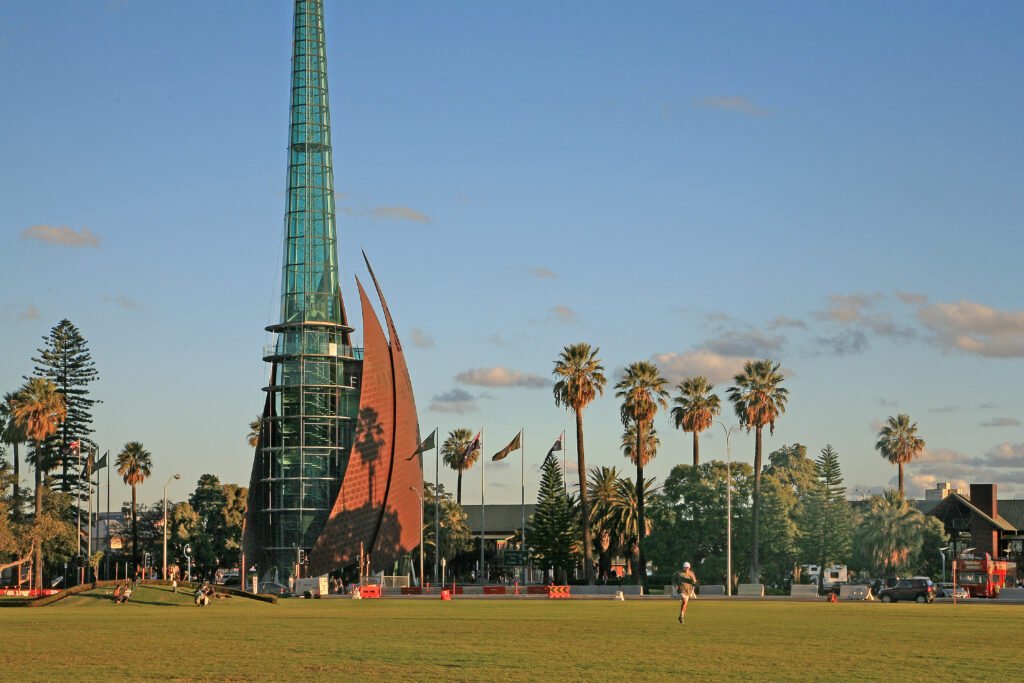
Perth is Western Australia's capital, founded in 1829, one of the world's most isolated major cities.
Where Peru Is Located and Its Geography Peru is a country on the western edge of South America, bordered by Ecuador and Colombia to the north, Brazil and Bolivia to the east, Chile to the south, and the Pacific Ocean to the west (Britannica). Its capital and largest city is Lima, situated on the coast.
Peru: Geography, History, Culture and Key Facts Read More »
Peru is a South American country encompassing Pacific coastline, the Andes Mountains, and Amazon rainforest, and home to the ancient Inca capital of Machu Picchu.
The Philippines is an archipelago country in Southeast Asia, made up of thousands of islands scattered across the western Pacific Ocean between the South China Sea and the Philippine Sea. Shaped by centuries of trade with China and Southeast Asia, roughly 300 years of Spanish colonization, and nearly half a century of American rule, it
Philippines: Geography, History, Culture and Key Facts Read More »
The Philippines is a Southeast Asian archipelago nation of thousands of islands shaped by Malay, Spanish, and American influences.
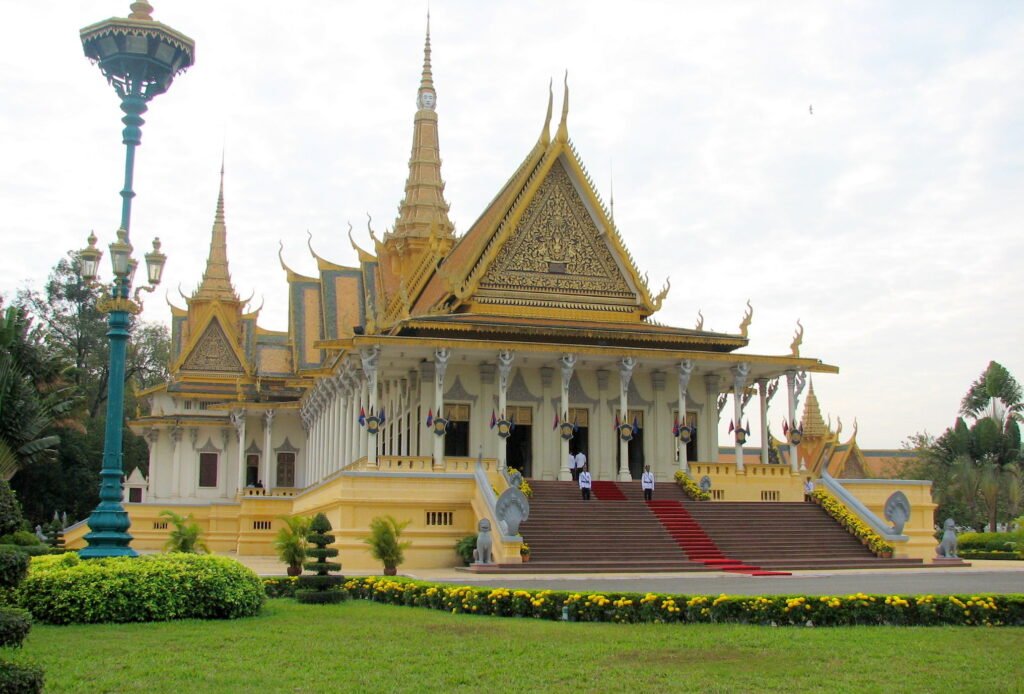
Phnom Penh is the capital of Cambodia, a riverside city at the confluence of the Mekong, Tonle Sap and Bassac rivers that serves as the country’s political, economic and cultural center. Where Is Phnom Penh Located? Phnom Penh sits at the point where the Tonle Sap River flows into the Mekong, joined there by the
Phnom Penh: Geography, History, Culture and Key Facts Read More »
Phnom Penh is Cambodia's capital, a riverside city centered on the Royal Palace and shaped by the Khmer Rouge era and its aftermath.
Poland is a country in Central Europe on the southern shore of the Baltic Sea, bordered by Germany, the Czech Republic, Slovakia, Ukraine, Belarus, Lithuania, and Russia’s Kaliningrad exclave. It is a parliamentary republic of about 37.5 million people, a member of both the European Union and NATO, and the largest economy in Central Europe.
Poland: Geography, History, Culture and Key Facts Read More »
Poland is a Central European nation on the Baltic Sea known for its medieval history, EU and NATO membership, and cultural heritage.