In simple terms A consumer price index, or CPI, measures how the prices households pay change over time. It follows a basket of goods and services that a typical household buys. The index number itself means little. What matters is how far it moves. A CPI that rises 3 percent over a year means the
Consumer price index Read More »
A consumer price index tracks how the prices households pay for a fixed basket of goods and services change over time.
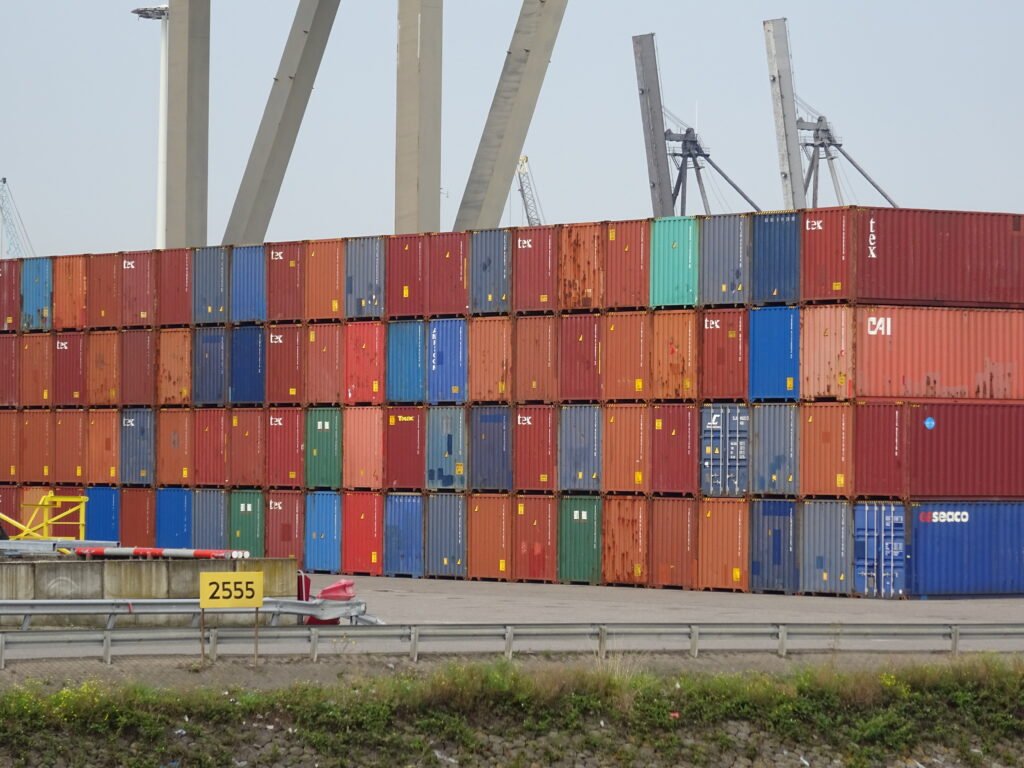
A container ship is a cargo vessel specifically designed to carry its freight packed inside standardized intermodal shipping containers, which can be moved seamlessly between ships, trains, and trucks without ever unpacking the goods inside. The standardization of container dimensions, overwhelmingly built around the 20-foot and 40-foot lengths known as TEU and FEU, is what
Container ship Read More »
A cargo vessel designed to carry freight in standardized intermodal shipping containers.
What Containerization Is Containerization is the practice of packing goods into standardized steel shipping containers that can be lifted, stacked, and transferred between ships, trains, and trucks without ever unloading the contents inside. This standardization transformed global freight transportation by making cargo handling fast, predictable, and far less labor-intensive than earlier methods. History and Standardization
Containerization Read More »
Containerization is the system of shipping goods in standardized, stackable metal containers that can be transferred between ships, trains, and trucks without unloading the contents.
Content management systems for news refer to the software platforms newsrooms use to draft, edit, publish, and manage digital content across websites and other distribution channels. These systems typically combine writing and editing tools with publishing workflows, allowing reporters, editors, and producers to collaborate on a single piece of content from initial draft through final
Content Management Systems for News Read More »
The software platforms newsrooms use to draft, edit, publish, and manage digital news content.
Core Concept and Purpose Continuity of government planning addresses one of the most sensitive questions a nation can face, namely how constitutional government and essential functions continue if a catastrophic event kills or incapacitates senior leaders or destroys the facilities where government normally operates. These plans establish clear lines of succession beyond the standard constitutional
Continuity of Government Read More »
Continuity of government refers to the planning and procedures that ensure essential government functions and leadership succession continue during and after a catastrophic event.
Contract law is the body of law that governs agreements between parties, defining what makes a promise legally enforceable and what remedies are available when one side fails to keep its end of the bargain. A contract, in its simplest definition, is an agreement that creates obligations the law can enforce, transforming an ordinary promise
Contract Law Read More »
The body of law governing enforceable agreements between parties, including their formation, performance, and remedies for breach.
Standardizing How Concepts Are Named A controlled vocabulary is a fixed, pre approved list of terms that catalogers and indexers use to describe the subject matter of an information resource, replacing the inconsistency of free text description with a single agreed upon label for each concept. This structure makes retrieval far more reliable than relying
Controlled Vocabulary Read More »
A predefined, standardized set of terms used to index and retrieve content consistently within an information system.
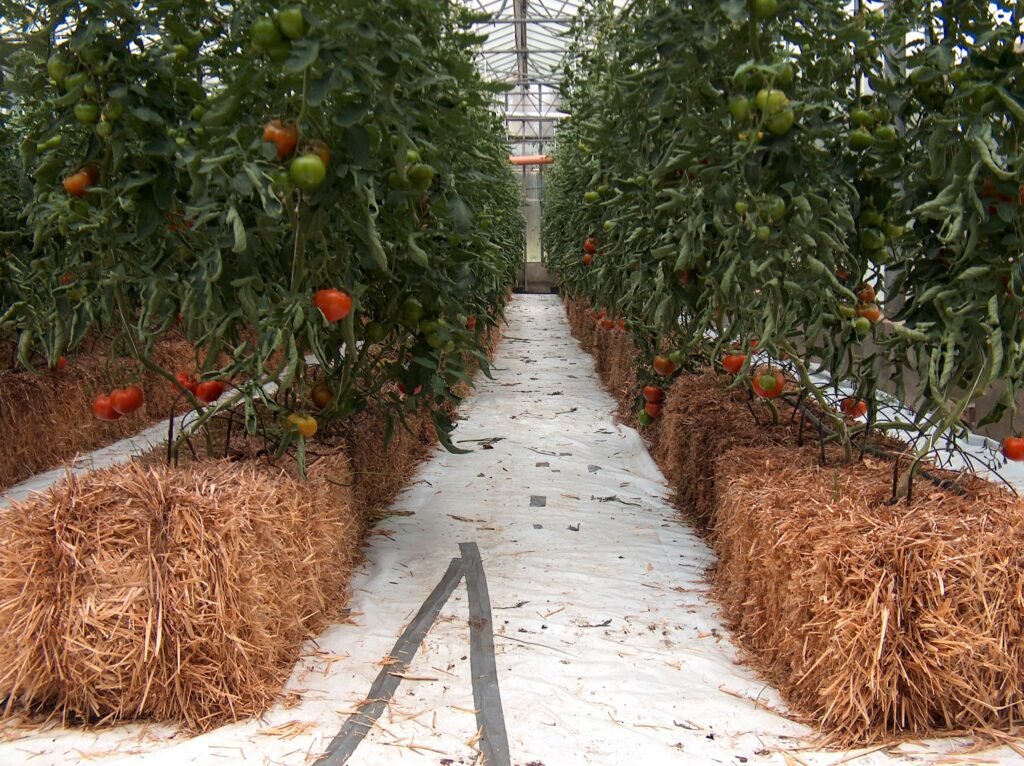
Controlled-environment agriculture, often abbreviated CEA, refers to growing crops inside a structure where the growing conditions, light, temperature, humidity, carbon dioxide level, and nutrient supply, are actively managed rather than left entirely to the outdoor climate. It is a broad umbrella term that covers everything from a simple unheated greenhouse to a fully automated, artificially
Controlled-Environment Agriculture Read More »
Controlled-environment agriculture is growing crops inside structures, such as greenhouses or indoor facilities, where light, temperature, humidity, and nutrients are actively regulated rather than left to natural conditions.
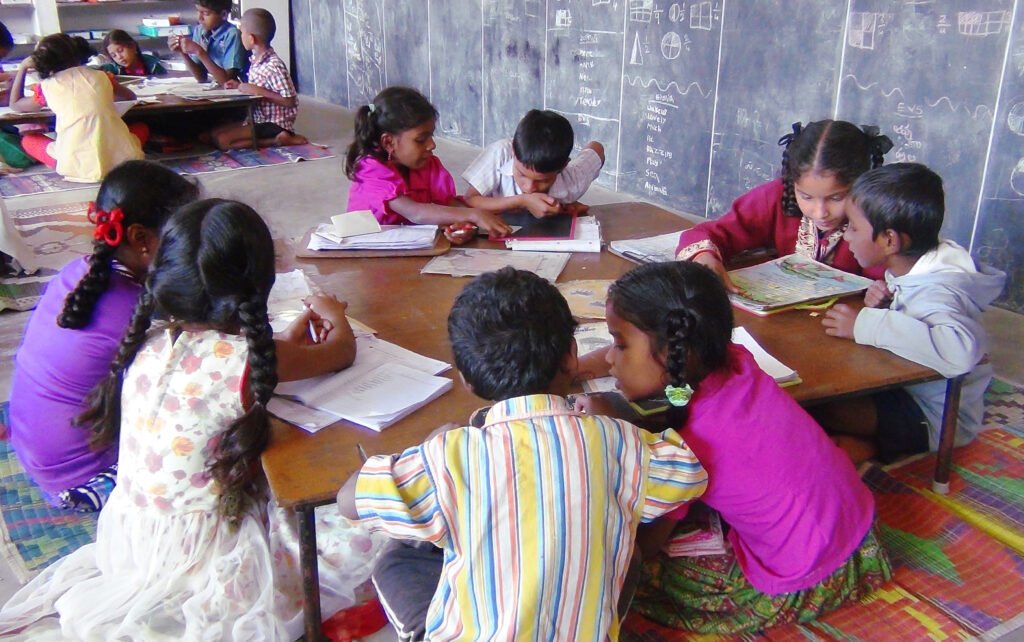
Cooperative learning is an instructional approach in which small groups of students work together toward a shared goal, with each member’s success depending in part on the success of the group as a whole. It differs from simply placing students in groups and asking them to complete a task, since genuine cooperative learning is structured
Cooperative learning Read More »
An instructional approach where small groups of students work together toward a shared goal with individual accountability built in.