Copyright in journalism protects the written expression of a story while leaving the underlying facts free for anyone to report. What Copyright Covers A reporter specific sentences, structure, and analysis are protected expression, while the bare facts uncovered through reporting remain available for any other outlet to cover independently. Fair Use and Aggregation Fair use
Copyright in Journalism Read More »
Copyright in journalism governs who owns published news content and under what terms others may quote, excerpt, or republish it.
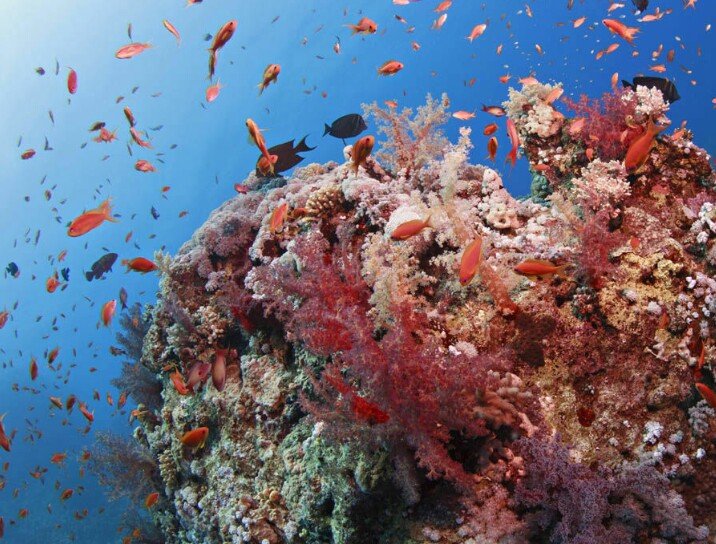
A coral reef is an underwater structure built up over long periods by colonies of hard, reef-building corals that secrete a calcium carbonate skeleton. Although corals are animals, most reef-building species host tiny symbiotic algae called zooxanthellae, which use sunlight to generate energy that the coral shares, which is why healthy reefs are concentrated in
Coral reef Read More »
A coral reef is an underwater structure built over long periods by colonies of hard corals, concentrated in shallow, clear, tropical waters.
In simple terms Core inflation is the headline inflation rate with the jumpiest prices taken out. In most countries that means food and energy. Those prices swing on weather, harvests and oil markets. Removing them leaves a steadier signal about where inflation is actually heading. How it works Statisticians use two broad methods, and they
Core inflation Read More »
Core inflation is the inflation rate left after stripping out the most volatile prices, usually food and energy, to show the underlying trend.
Corporate reputation management treats public perception as a long-term asset built through consistent behavior rather than a message that can simply be announced into existence. What Actually Shapes Reputation Formal communication plays a role, but day to day experiences such as product quality, customer service interactions, and how employees are treated often shape public perception
Corporate Reputation Management Read More »
Corporate reputation management is the deliberate effort to shape how an organization is perceived by employees, customers, investors, and the broader public over time.
Overview Corporate security is the internal function within a company responsible for protecting its people, facilities, information, and reputation from threats ranging from workplace violence to corporate espionage to natural disaster. Larger organizations typically centralize this responsibility under a senior executive, often titled Chief Security Officer, who coordinates security policy across what might otherwise be
Corporate Security Read More »
Corporate security is the organizational function responsible for protecting a companys people, physical assets, information, and reputation from a wide range of threats.
Corrosion is the gradual deterioration of a material, most commonly a metal, through chemical reaction with its surrounding environment, typically oxygen and moisture, that weakens the material over time. The most familiar form, rust on iron and steel, costs economies enormous sums annually in repair, replacement, and prevention, making corrosion control a major and continuing
Corrosion Read More »
The gradual deterioration of a material, most commonly metal, through chemical reaction with its surrounding environment.
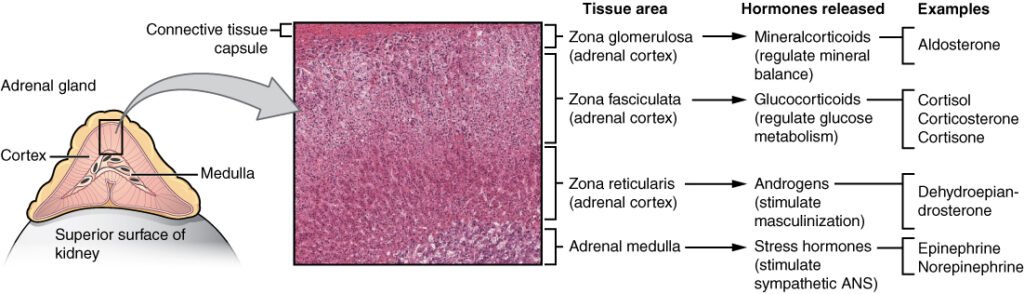
Cortisol is a steroid hormone produced by the adrenal glands, two small glands located above the kidneys, that plays a central role in the body’s response to stress while also regulating a wide range of everyday physiological processes including blood sugar levels, metabolism, inflammation, and the sleep-wake cycle. Often called the body’s primary stress hormone,
Cortisol Read More »
A steroid hormone produced by the adrenal glands that regulates stress response, metabolism, and daily rhythms.
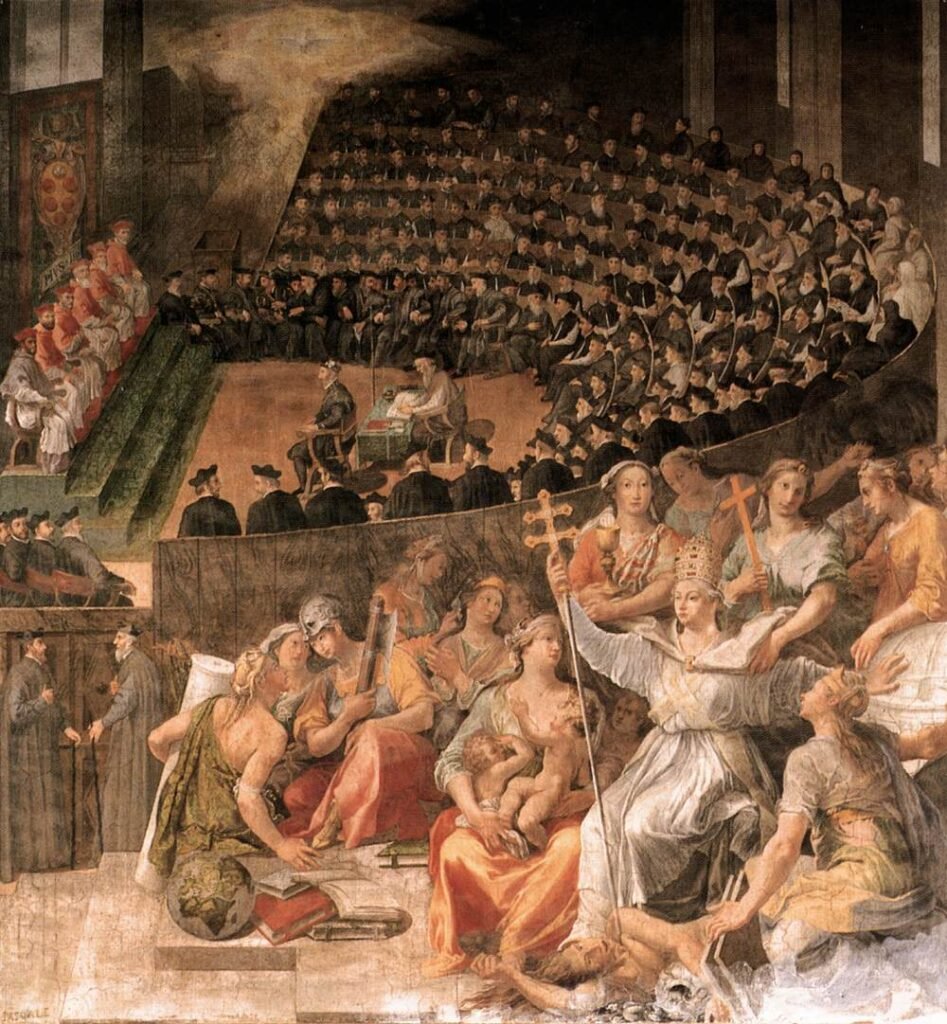
Overview The Counter-Reformation refers to the Catholic Church broad response to the Protestant Reformation, encompassing doctrinal clarification, institutional reform, renewed spiritual and missionary energy, and substantial cultural patronage, unfolding significantly across the sixteenth and seventeenth centuries following the initial Protestant challenge. The Council of Trent The Council of Trent, convened across several sessions between 1545
Counter-Reformation Read More »
The Counter-Reformation was the Catholic Church response to the Protestant Reformation, involving doctrinal clarification, institutional reform, and renewed missionary and cultural activity.
Overview Counterinsurgency describes the combined military, political, and economic efforts a government undertakes to defeat an armed insurgency and reestablish control over a population and territory. Unlike conventional warfare, which centers on defeating an opposing army, counterinsurgency treats the loyalty and cooperation of the civilian population as the central objective. Core principles Classic counterinsurgency theory
Counterinsurgency Read More »
Counterinsurgency refers to the military, political, and economic measures a government takes to defeat an armed insurgency and restore legitimate authority over a contested population.
Overview Counterintelligence is the set of activities aimed at protecting a nations secrets and institutions from the intelligence operations of rival powers. Where ordinary intelligence collection looks outward to learn about an adversary, counterintelligence looks inward and sideways, asking who might be trying to steal, distort, or sabotage ones own information. Defensive and Offensive Measures
Counterintelligence Read More »
Counterintelligence is the activity of identifying and neutralizing the intelligence operations of hostile foreign powers.