Overview Exercise economy describes how much oxygen an athlete needs to sustain a given submaximal speed or power output, and it is a separate quality from raw aerobic capacity, meaning two athletes with identical oxygen-uptake ceilings can still perform quite differently in competition. What Shapes Economy Running and cycling economy are influenced by factors including
Exercise Economy Read More »
A measure of how efficiently an athlete uses oxygen to sustain a given submaximal pace or power output.
Overview Exercise-induced fatigue describes the temporary decline in a muscle capacity to generate force or sustain output as exertion continues, and researchers generally divide its causes into central origins within the nervous system and peripheral origins within the muscle tissue itself. Central and Peripheral Contributors Central fatigue involves reduced neural drive from the brain and
Exercise-Induced Fatigue Read More »
The temporary decline in a muscle ability to produce force or sustain activity as a result of physical exertion.
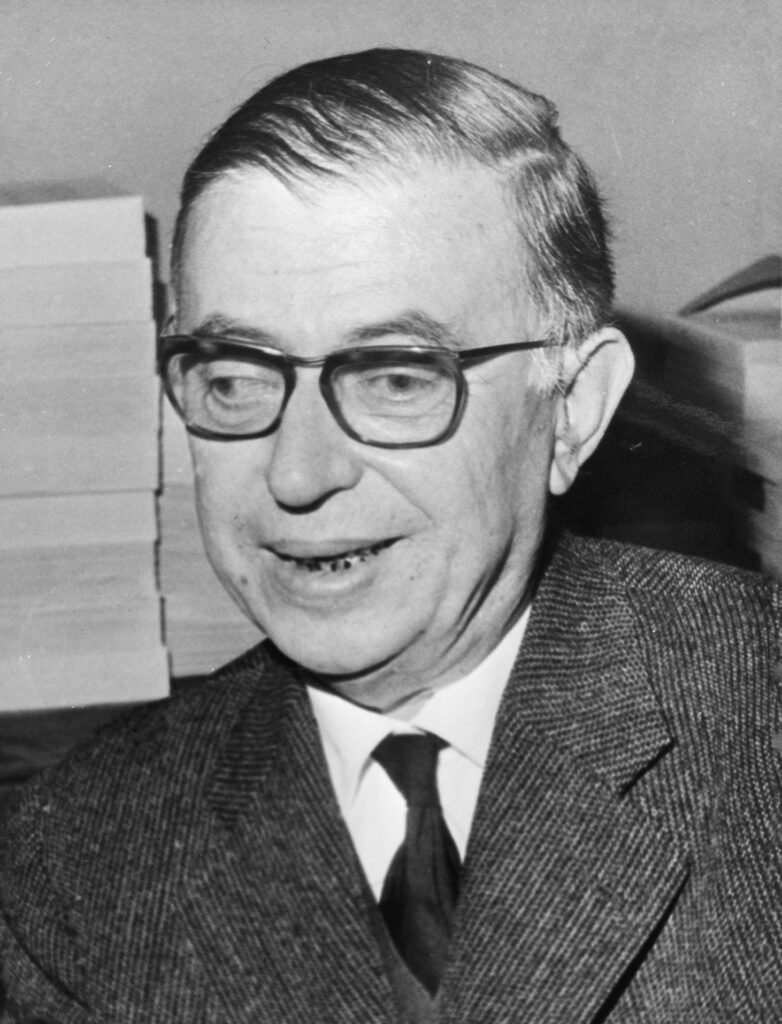
Existentialism is a philosophical movement, prominent especially in Europe during the nineteenth and twentieth centuries, that emphasizes individual existence, radical freedom, and the personal responsibility each person bears for creating meaning in a universe that does not supply it ready-made. Rather than treating human beings as having a fixed nature or predetermined purpose, existentialist thinkers
Existentialism Read More »
A philosophical movement emphasizing individual freedom, personal responsibility, and the creation of meaning in an indifferent universe.
An exoplanet is a planet that orbits a star other than the Sun, situated anywhere else in the universe beyond our own solar system. Astronomers had long suspected that other stars hosted planets of their own, but the first confirmed detection of an exoplanet orbiting an ordinary, Sun-like star came only in 1995, when Swiss
Exoplanet Read More »
A planet that orbits a star other than the Sun, located beyond our own solar system.
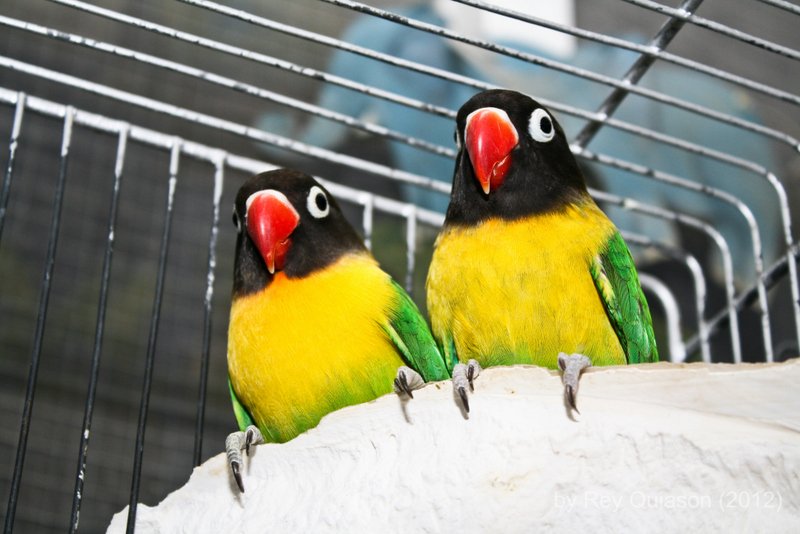
Scope of Exotic Pet Care Exotic pet care encompasses the husbandry and veterinary management of species outside the traditional cat-and-dog category, including reptiles, birds, small mammals such as rabbits and guinea pigs, amphibians, and sometimes invertebrates. Each group carries distinct physiological needs shaped by evolutionary adaptations often very different from mammalian norms. Successful exotic pet
Exotic Pet Care Read More »
The specialized husbandry and veterinary management of non-traditional companion animals such as reptiles, birds, small mammals, and amphibians.
In simple terms Export controls are laws that decide what a country will let leave its territory, and who may receive it. They cover weapons, but most of the argument is about ordinary items with military uses: chips, sensors, software, machine tools, chemicals. How it works The category at the center is dual-use. The European
Export controls Read More »
Export controls are government rules that require a licence before certain goods, software or technology may be sent abroad.
Expressionism is an early twentieth-century art movement, primarily centered in Germany, that emphasized subjective emotional experience over objective visual accuracy, often through distorted forms, simplified shapes, and intense, clashing color. Rather than aiming to depict the world as it objectively appears, Expressionist artists sought to convey how a scene or subject felt emotionally, frequently reflecting
Expressionism Read More »
An early 20th-century movement, centered in Germany, emphasizing subjective emotional experience through distorted form and intense color.
Overview Extended stay lodging serves travelers who need accommodation for a week or longer, offering a different experience than typical overnight hotel stays. Key Features These properties commonly include in-room kitchenettes, laundry facilities, and reduced daily housekeeping in exchange for lower weekly or monthly rates. Market Segment Corporate relocation travelers, project-based workers, and people between
Extended Stay Lodging Read More »
Extended stay lodging refers to hotel properties designed for guests staying a week or longer, typically featuring kitchenettes and reduced daily services.
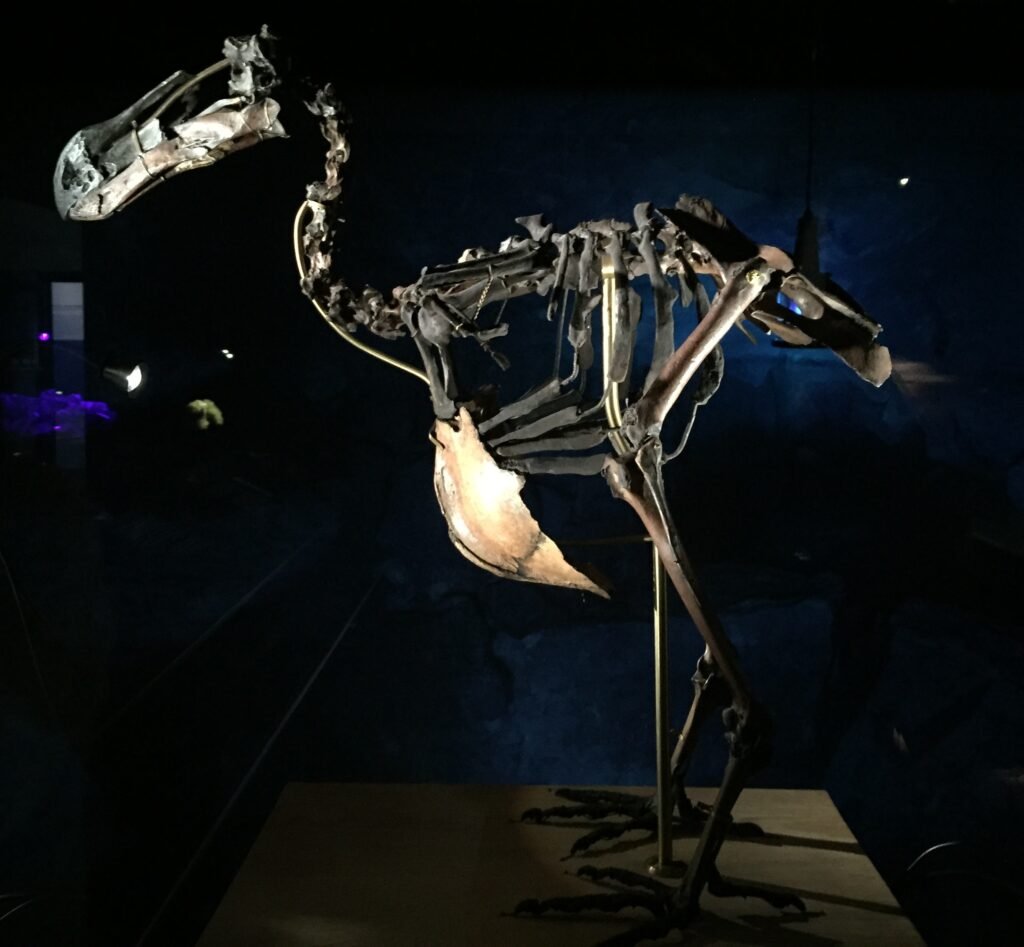
Extinction is the complete disappearance of a species, meaning no living members of it remain anywhere on Earth. It is, in one sense, as old as life itself: species have been going extinct and new ones arising for as long as evolution has operated, and extinction is generally considered a normal, ongoing part of that
Extinction Read More »
Extinction is the complete disappearance of a species, with no living members remaining anywhere on Earth.