Measuring Scholarly Communication Quantitatively Bibliometrics applies quantitative methods to the study of publications, citations, and related patterns of scholarly communication, turning questions about research influence and trends into measurable data rather than subjective impression alone. Librarians, research administrators, and funding agencies all draw on bibliometric methods for different purposes. Common Indicators Citation counts, measuring how
Bibliometrics Read More »
The quantitative study of publications, citations, and other scholarly communication patterns to measure research impact and trends.
Big data refers to datasets so large, fast-moving, or structurally complex that traditional data processing tools and methods cannot practically capture, store, manage, or analyze them. The term is often explained through several defining characteristics, commonly called the dimensions of big data, including volume, the sheer size of the data involved, often reaching far into
Big Data Read More »
Datasets so large, fast-moving, or complex that traditional tools cannot practically capture, store, or analyze them.
In simple terms The Big Five, also called the five-factor model, is a widely used way to describe personality in research. It groups the many ways people differ into five broad traits. Each trait is a scale, not a box. Everyone sits somewhere between the two ends of every trait. How it works The five
Big Five personality traits Read More »
The Big Five are five broad personality dimensions: openness, conscientiousness, extraversion, agreeableness and neuroticism.
What a Bill of Lading Is A bill of lading is a document issued by a carrier, such as an ocean shipping line or trucking company, to a shipper when goods are accepted for transport. It serves three distinct legal functions: a receipt confirming the carrier received the described cargo, evidence of the contract of
Bill of Lading Read More »
A bill of lading is a legal document issued by a carrier to a shipper that serves as a receipt for cargo, a contract of carriage, and often a document of title to the goods.
Binary search is an algorithm for quickly finding a target value inside a sorted list by repeatedly checking the middle element and narrowing the search to the half of the list that could still contain the target. Because it eliminates roughly half of the remaining possibilities with every single check, binary search can locate a
Binary Search Read More »
An algorithm that finds a target value in a sorted list by repeatedly checking the middle element and discarding half the remaining list.
Biodiversity is the full variety of life on Earth, encompassing the diversity within a species, the diversity between different species, and the diversity of entire ecosystems. The UN Convention on Biological Diversity defines it this way to capture that biodiversity is not just a count of how many species exist, but a layered measure covering
Biodiversity Read More »
Biodiversity is the full variety of life on Earth across genes, species, and ecosystems, and a key natural defense against climate change.
In simple terms A biodiversity hotspot is a region that packs in an extraordinary concentration of plant species found nowhere else on Earth, and that has already lost most of the natural habitat those species depend on. [1] The designation flags places where both the stakes and the urgency of conservation are unusually high at
Biodiversity hotspot Read More »
A biodiversity hotspot is a region with an exceptionally large number of plant species found nowhere else on Earth that has already lost most of its original natural habitat.
Biofuel is fuel produced from recently living biological material, chiefly plants, algae, or organic waste, rather than from fossil fuel deposits formed over millions of years. Because the carbon released when a biofuel is burned was captured from the atmosphere relatively recently, biofuels are generally promoted as a lower-carbon alternative to gasoline, diesel, and other
Biofuel Read More »
Biofuel is fuel produced from recently living biological material, such as crops or waste, rather than from fossil fuel deposits.
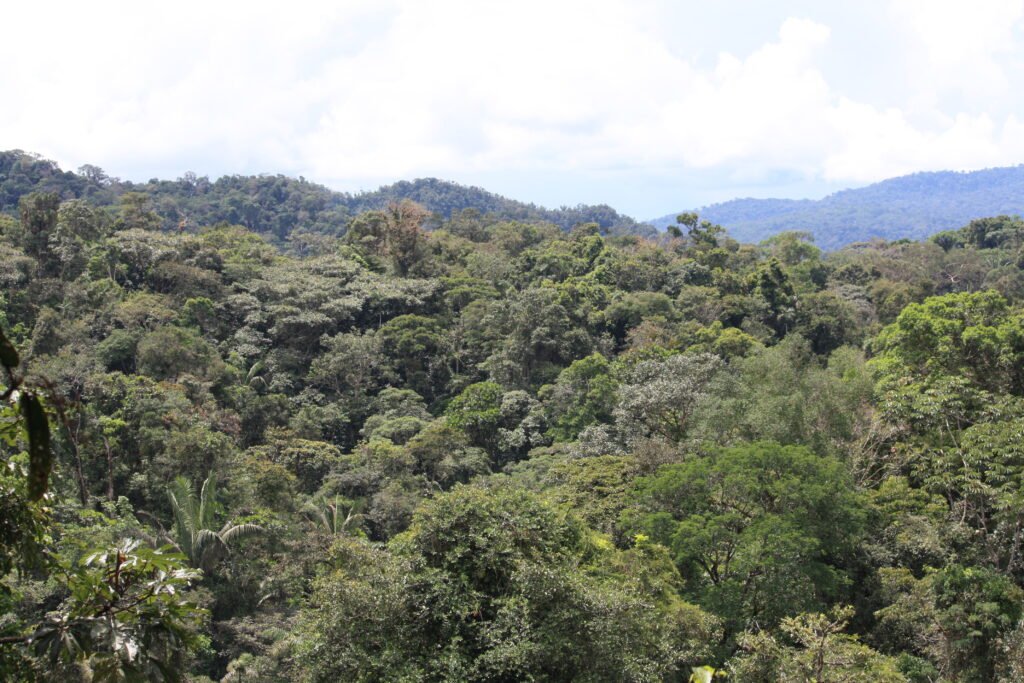
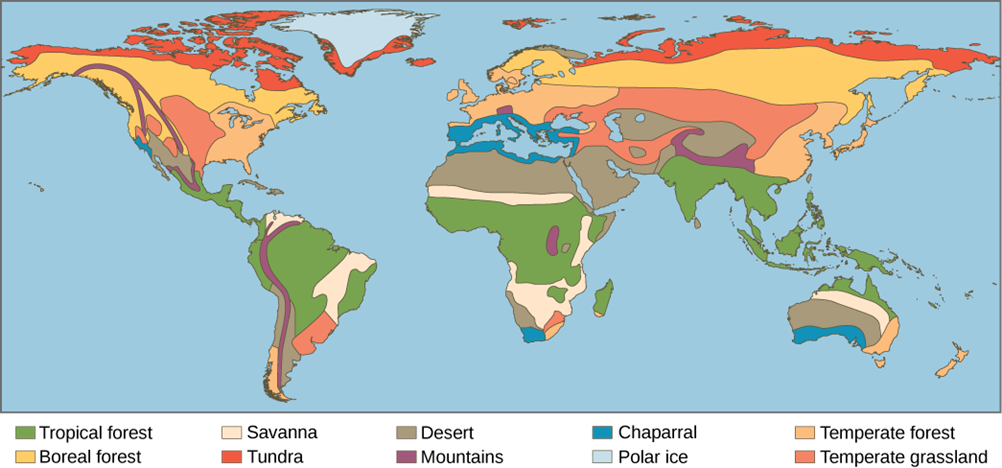
A biome is a large-scale ecological community characterized by distinctive climate conditions, vegetation types, and animal life, typically classified according to dominant plant structure and the overall temperature and precipitation patterns that shape a region’s ecology. Major biome categories include tropical rainforest, desert, grassland, temperate forest, boreal forest or taiga, tundra, and various aquatic biomes
Biome Read More »
A biome is a large-scale ecological community defined by climate, vegetation type, and characteristic animal life, such as rainforest or tundra.