Homeschooling is the practice of educating children at home or in settings other than a traditional public or private school, typically led by a parent or guardian rather than a certified classroom teacher, though specific legal requirements for homeschooling families vary considerably from one country or state to another. In the United States, homeschooling is
Homeschooling Read More »
The practice of educating children at home rather than in a traditional school, legal in all fifty US states with varying requirements.
Hospice and palliative care are related but distinct approaches to medical care focused on comfort and quality of life for people with serious illness, rather than treatment aimed at curing the underlying condition. Both emphasize managing pain and other symptoms, but they differ in eligibility and how they fit alongside other medical treatment. Distinguishing the
Hospice and Palliative Care Read More »
Specialized medical care focused on comfort and quality of life for people with serious or terminal illness, rather than curative treatment.
Workforce Management Challenges Hospitality human resources management confronts several challenges that distinguish it from workforce management in many other industries, most notably persistently elevated employee turnover rates that researchers and industry reports consistently find exceed those in many comparable service sectors. Contributing factors commonly cited include irregular scheduling that often includes nights, weekends, and holidays
Hospitality Human Resources Read More »
Hospitality human resources is the specialized practice of recruiting, training, scheduling, and retaining the service-oriented workforce that hospitality businesses depend on to deliver guest experiences.
Scope of the Industry The hospitality industry encompasses a broad range of businesses united by their focus on serving guests, typically spanning lodging operations such as hotels, resorts, and short-term rentals, food and beverage establishments including restaurants, bars, and catering services, and related guest-facing sectors such as event planning, cruise lines, and travel services. What
Hospitality Industry Read More »
The hospitality industry is the broad sector of the economy focused on providing accommodation, food and beverage service, and related guest-facing services to travelers and local customers.
Marketing an Intangible Experience Hospitality marketing faces a distinct challenge compared with marketing a physical product, since hospitality businesses are fundamentally selling an experience that a potential guest cannot physically inspect, sample, or try out before committing to a purchase, requiring marketers to rely heavily on imagery, descriptive content, and social proof to convey what
Hospitality Marketing Read More »
Hospitality marketing is the specialized application of marketing principles to promote lodging, food service, and related guest experiences, shaped by the intangible and perishable nature of hospitality services.
Core Technology Systems Hospitality technology encompasses the growing array of software systems that hospitality businesses rely on to manage their operations, with the property management system typically serving as the central operational hub for hotels, coordinating reservations, room assignments, guest check-in and check-out processes, billing, and communication with housekeeping and maintenance teams. Alongside property management
Hospitality Technology Read More »
Hospitality technology refers to the software systems and digital tools that hospitality businesses use to manage reservations, operations, guest communication, and data analysis.
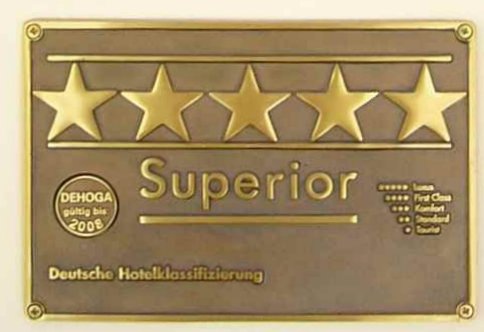
Overview Hotel classification refers to the systems used to grade and categorize lodging properties according to their quality, amenities, and level of service. Common Systems Star ratings from one to five are the most widely recognized classification method internationally, while some countries use diamonds, crowns, or letter grades instead. Who Assigns Ratings Ratings may be
Hotel Classification Read More »
Hotel classification is the system of grading lodging properties, typically by stars or diamonds, to signal their quality level and amenities to travelers.
Overview A hotel property management system, often called a PMS, is the central software platform coordinating most daily hotel operations. Core Functions The PMS manages reservations, guest check-in and check-out, room assignment, billing, and communication with housekeeping about room status. Integration Modern PMS platforms integrate with point-of-sale systems, revenue management tools, and online travel agency
Hotel Property Management System Read More »
A hotel property management system is the core software platform that manages reservations, check-in and check-out, billing, and housekeeping coordination.
Overview A hotel reservations system manages the booking process, tracking room availability, rates, and guest information across all distribution channels. Central Reservation Systems Hotel chains often use a central reservation system that connects individual properties, allowing bookings to be made for any location through one platform. Channel Management Channel managers synchronize rates and availability across
Hotel Reservations System Read More »
A hotel reservations system is the software and process infrastructure that manages room bookings, availability, and rate distribution across sales channels.
Overview Housekeeping management oversees the cleaning, maintenance, and preparation of guest rooms and public spaces within a hotel property. Room Status Tracking Housekeeping staff update room status codes throughout the day, distinguishing between occupied, vacant dirty, vacant clean, and inspected rooms. Inventory and Standards Managing linen, amenities, and cleaning supplies while enforcing consistent brand cleanliness
Housekeeping Management Read More »
Housekeeping management is the hotel department responsible for cleaning, maintaining, and preparing guest rooms and public areas to brand standards.