Housing assistance programs are government and nonprofit initiatives designed to help people afford or access stable housing, ranging from rental subsidies to programs that help first-time buyers purchase a home. The largest such program in the United States is the Housing Choice Voucher program, commonly known as Section 8, which subsidizes rent for eligible low-income
Housing Assistance Programs Read More »
Government and nonprofit programs that help people afford or access stable housing.
Housing policy is the set of government actions aimed at ensuring that housing is available, affordable, and adequate, particularly for low-income and vulnerable households who cannot rely on the private market alone to meet their needs. Governments pursue this goal through a mix of direct provision, financial subsidies, regulation of the housing market, and rules
Housing Policy Read More »
Government action to ensure housing is available, affordable, and adequate, especially for low-income households.
HTML, short for HyperText Markup Language, is the standard language used to structure content on the web, defining the headings, paragraphs, links, images, and other elements that make up a webpage. A web browser reads an HTML document and renders it into the visual page a person actually sees, interpreting a series of markup tags
HTML Read More »
The standard markup language used to structure content on the web, defining headings, paragraphs, links, and other elements.
An HTTP cookie, often simply called a cookie, is a small piece of data that a website sends to a visitor’s browser, which stores it and sends it back to that same website on later visits, letting the website remember information about that visitor across what would otherwise be a series of completely separate, disconnected
HTTP Cookie Read More »
A small piece of data a website stores in a visitor's browser and retrieves on later visits to remember information across page loads.
How the Hub-and-Spoke System Works In a hub-and-spoke network, an airline operates a central hub airport where flights from many smaller cities, the spokes, converge. Passengers traveling between two spoke cities typically connect through the hub rather than flying directly, allowing the airline to serve far more city pairs than it could if it operated
Hub-and-Spoke System Read More »
The hub-and-spoke system is an airline route network design in which flights are concentrated through central hub airports rather than connecting most city pairs directly.
Overview Human intelligence, abbreviated HUMINT, refers to information obtained directly from people rather than from machines or intercepted signals. It is among the oldest forms of intelligence collection, practiced by rulers and generals long before any electronic sensor existed, and it remains central to modern espionage because some secrets are never written down or transmitted
Human Intelligence Read More »
Human intelligence, or HUMINT, is information collected from human sources through direct contact, such as espionage, interviews, and liaison relationships.
Defining the Human-Animal Bond The human-animal bond describes the dynamic, mutually beneficial relationship between people and animals, encompassing emotional attachment, companionship, and the ways each influences the other’s behavior and wellbeing. While the concept applies broadly across species relationships, it is most extensively studied and formally recognized within companion animal veterinary medicine, where professional bodies
Human-Animal Bond Read More »
The mutually beneficial emotional and psychological relationship between people and companion animals, recognized as a factor in physical and mental health.
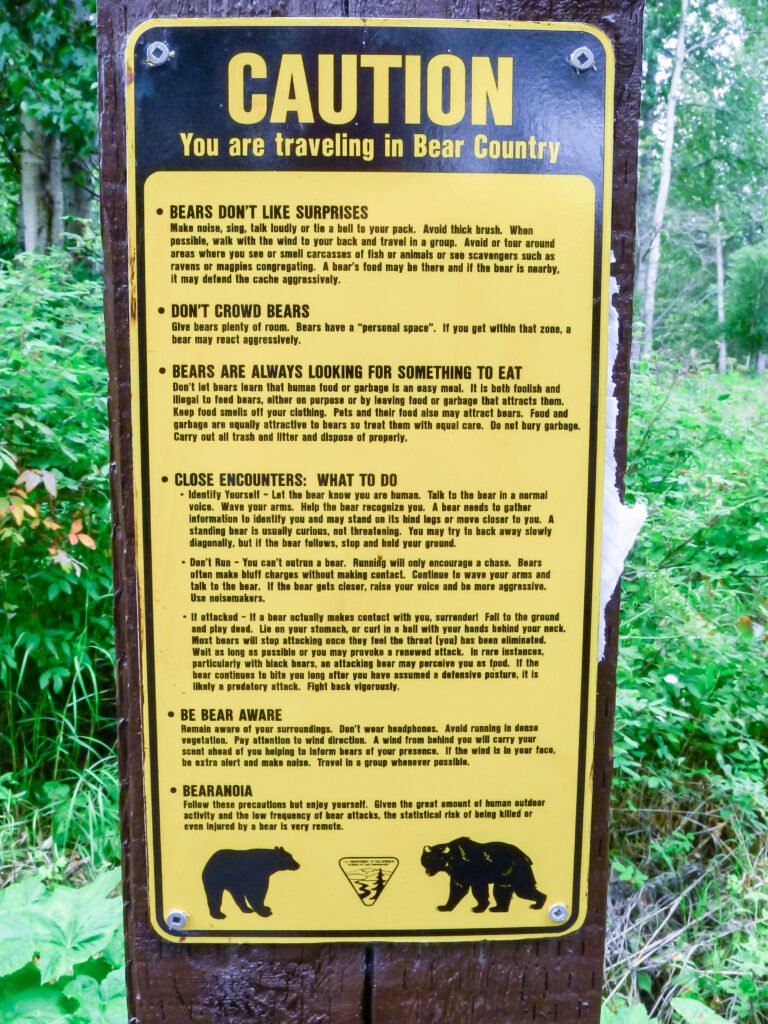
Nature and Scope of Human-Wildlife Conflict Human-wildlife conflict encompasses a range of negative interactions, including crop damage, livestock predation, property destruction, and direct physical danger to people, arising when wildlife and human activities overlap spatially or compete for the same resources. Conflict intensity tends to increase as human development and agricultural expansion push further into
Human-Wildlife Conflict Management Read More »
The study and practical mitigation of negative interactions between humans and wild animals, balancing human safety and livelihoods with wildlife conservation goals.
Principles of Humane Slaughter Humane slaughter practices aim to minimize pain, fear, and distress for animals during the final stages of food production, primarily through effective stunning methods intended to render an animal insensible to pain before the killing process begins. Stunning methods vary by species and facility type, including captive bolt devices for cattle,
Humane Slaughter Practices Read More »
The methods and regulatory standards designed to minimize pain, fear, and distress for animals during the slaughter process in food production.
HVAC, an acronym for heating, ventilation, and air conditioning, refers to the combined systems that control a building’s indoor temperature, humidity, and air quality. Modern HVAC systems address three related but distinct needs: heating interior spaces during cold weather, cooling them during warm weather, and continuously supplying fresh outdoor air while removing stale indoor air,
HVAC Read More »
The combined heating, ventilation, and air conditioning systems that control a building's indoor temperature, humidity, and air quality.