Marine spatial planning is a public process that analyzes and allocates the spatial and temporal distribution of human activities in ocean areas to achieve ecological, economic, and social objectives that have typically been specified through a political process. Rather than managing each activity, such as fishing, shipping, energy development, and conservation, in isolation, marine spatial
Marine Spatial Planning Read More »
Marine spatial planning is a public process that maps and allocates ocean space among competing uses such as fishing, shipping, energy, and conservation.
What Maritime Shipping Covers Maritime shipping is the movement of goods and passengers across oceans, seas, and other navigable waterways. It carries the overwhelming majority of world trade by volume, since ships can transport far larger quantities of cargo at a much lower cost per unit than trucks, trains, or aircraft, making sea transport the
Maritime Shipping Read More »
Maritime shipping is the transportation of goods and passengers by sea, carrying the large majority of the world's international trade by volume.
Market segmentation is the practice of dividing a broad, heterogeneous market into smaller groups of consumers who share similar characteristics, needs, or behaviors. Rather than marketing a product to everyone in the same way, businesses use segmentation to tailor messaging, pricing, and product features to the groups most likely to respond. Why segment a market
Market Segmentation Read More »
The practice of dividing a broad target market into smaller groups of consumers who share similar characteristics or needs.
The marketing mix is the set of controllable factors a company combines and adjusts to promote a product or service in its target market. It is most commonly summarized through the “four Ps”: Product, Price, Place, and Promotion, a framework that has shaped how marketers plan campaigns for more than six decades. Origins: Culliton and
Marketing Mix Read More »
The set of controllable factors a company blends to promote its product in the marketplace, classically summarized as the four Ps.
Masonry is construction built up from individual units, such as brick, stone, or concrete block, bonded together with mortar into walls, arches, and other structural or decorative elements. It is among the oldest building methods in continuous use, with surviving examples of stone and mud-brick masonry dating back thousands of years, and it remains a
Masonry Read More »
Construction built from individual units such as brick, stone, or concrete block bonded together with mortar.
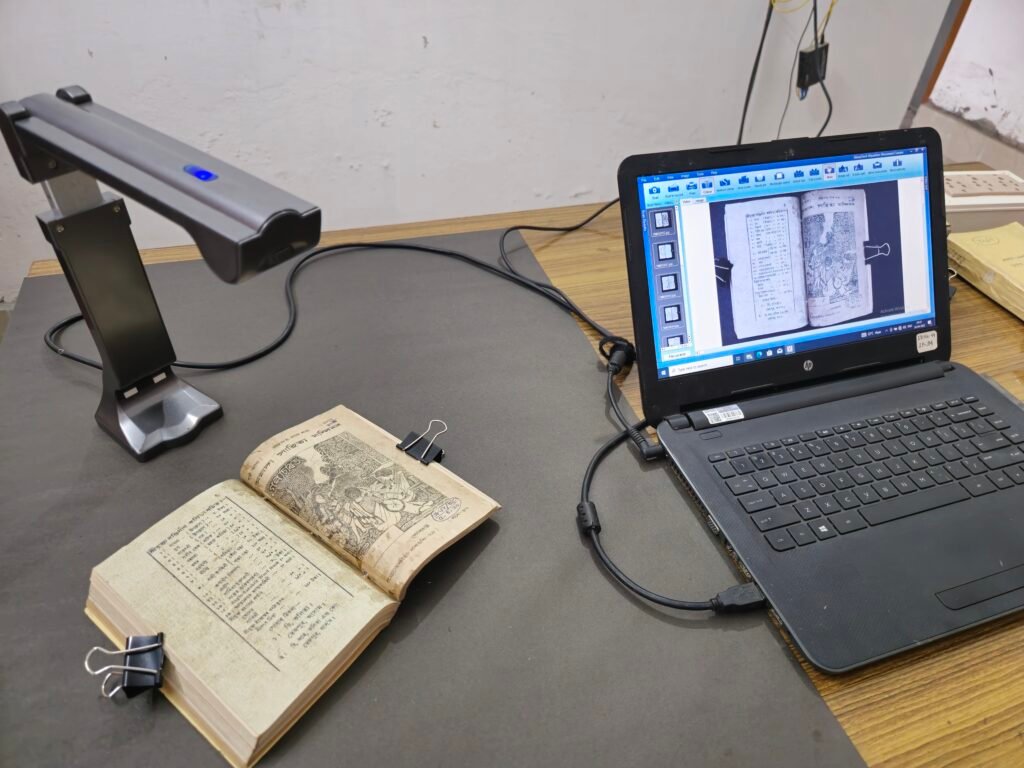
Mass digitization is the large-scale conversion of library, archival, or museum collections into digital form using high-throughput scanning equipment and standardized, streamlined workflows designed to process very large volumes of material efficiently. Where traditional digitization projects often focus on carefully selected collections, with significant individual attention given to each item, such as detailed metadata creation
Mass Digitization Read More »
Mass digitization is the large-scale conversion of library, archival, or museum collections into digital form using high-throughput scanning and standardized, streamlined workflows.
Planning Considerations Mass evacuation security planning begins long before any actual emergency, requiring authorities to map evacuation routes with sufficient capacity for the expected population, identify vulnerable populations such as hospital patients, nursing home residents, and people without personal vehicles who need special transportation assistance, and establish clear communication systems to issue evacuation orders and
Mass Evacuation Security Read More »
Mass evacuation security involves planning and managing the safe, orderly movement of large populations away from danger while preventing crime, chaos, and secondary harm during the process.
Mastery learning is an instructional approach built around the idea that students should demonstrate a thorough understanding of one unit of material before moving on to the next, rather than progressing through a curriculum on a fixed schedule regardless of how well they grasped earlier content. The approach was formalized and popularized by educational psychologist
Mastery learning Read More »
An instructional approach where students demonstrate mastery of one unit before moving to the next, rather than progressing on a fixed schedule.
Meal planning is the practice of deciding in advance what meals will be prepared and eaten over a given period, typically a week, and organizing shopping and preparation around that plan. The practice is used both by individuals managing household budgets and time, and by dietitians helping clients meet specific nutritional or medical goals. Common
Meal Planning Read More »
The practice of deciding meals in advance over a set period and organizing shopping and preparation accordingly.