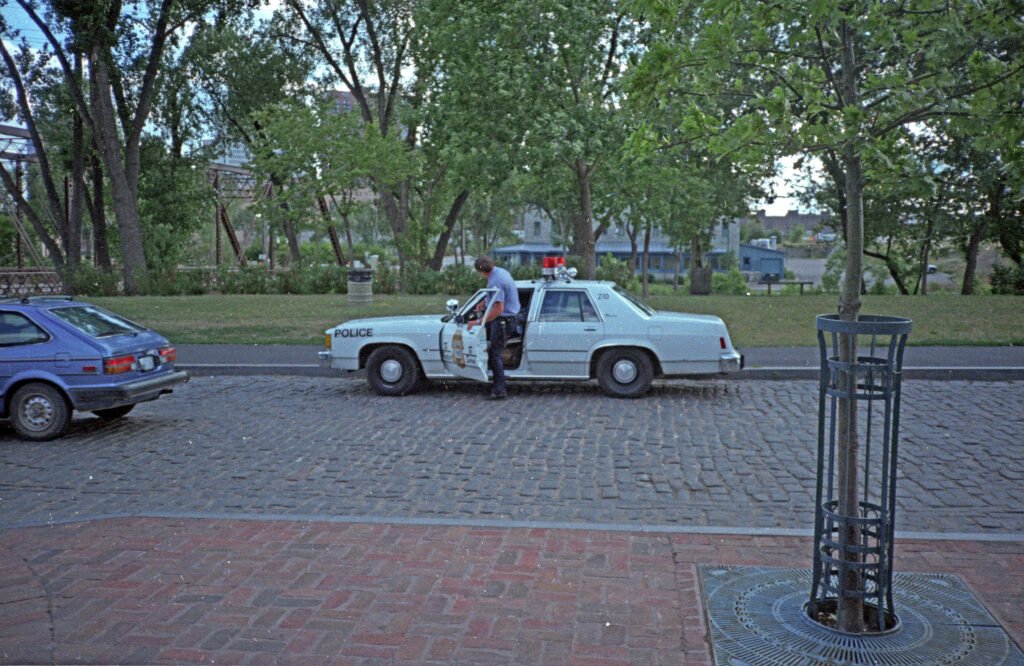
Overview Police patrol refers to the continuous movement of officers through an assigned geographic area, whether on foot, in vehicles, or using other means such as bicycles or horses, with the goals of deterring crime, maintaining public order, and responding quickly to calls for service. Patrol remains the largest single function within most police departments
Police Patrol Read More »
Police patrol is the practice of officers moving through an assigned area on foot, in vehicles, or by other means to deter crime, respond to calls for service, and maintain visible police presence.
Policy analysis is the systematic, empirical study of how a public policy is formulated, adopted, and implemented, used to evaluate whether it actually addresses the economic, social, or other public problem it was designed to solve. Rather than relying on intuition or political instinct alone, policy analysis applies rigorous research methods to help decision-makers understand
Policy Analysis Read More »
The systematic, empirical study of how a public policy is formulated, adopted, and implemented, used to evaluate its effects.
The political economy of media looks past individual editorial decisions to examine how financial structure and ownership shape media content at a systemic level. Ownership Concentration A central concern in this field is the degree to which media ownership has concentrated among a relatively small number of large companies, raising questions about how much genuine
Political Economy of Media Read More »
The political economy of media examines how ownership structures, advertising revenue, and market pressure shape what content media organizations ultimately produce.
A political ideology is a connected set of ideas, values, and beliefs about how society and government should be organized, covering questions such as who should hold power, how the economy should be arranged, and what rights individuals should have. Ideologies combine a vision of the good society with a rough program for getting there,
Political Ideology Read More »
A connected set of ideas and values about how society and government should be organized.
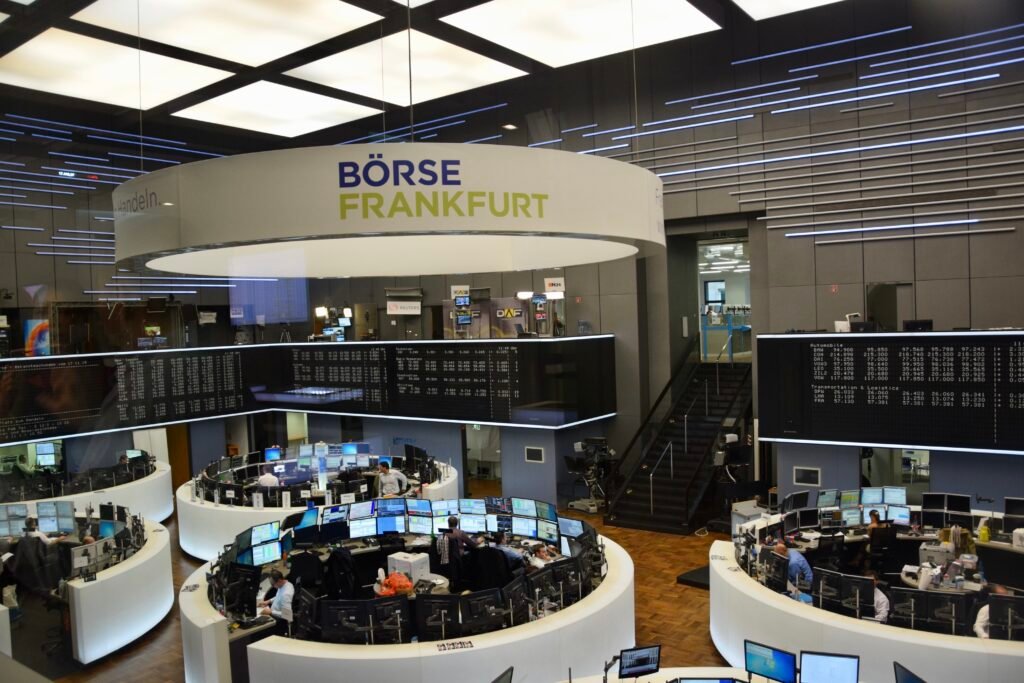
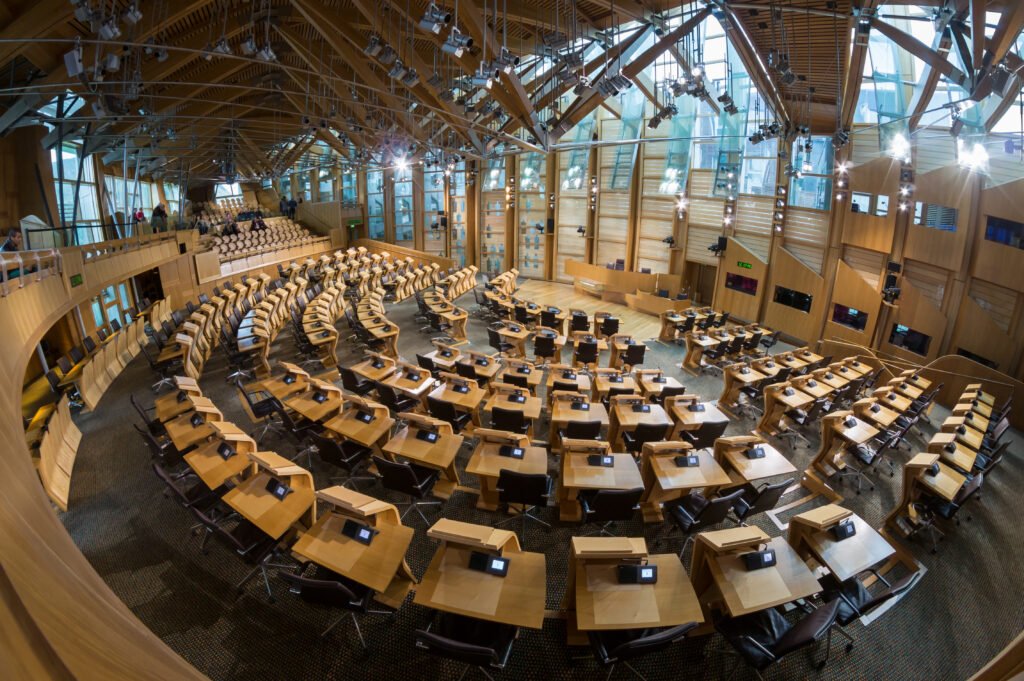
A political party is an organized group of people who share broadly similar political goals and who coordinate to nominate candidates, contest elections, and try to control the levers of government. Parties give voters a simplified way to choose among competing visions for public policy, since evaluating a handful of party platforms is far easier
Political Party Read More »
An organized group that coordinates candidates and contests elections to influence or control government.
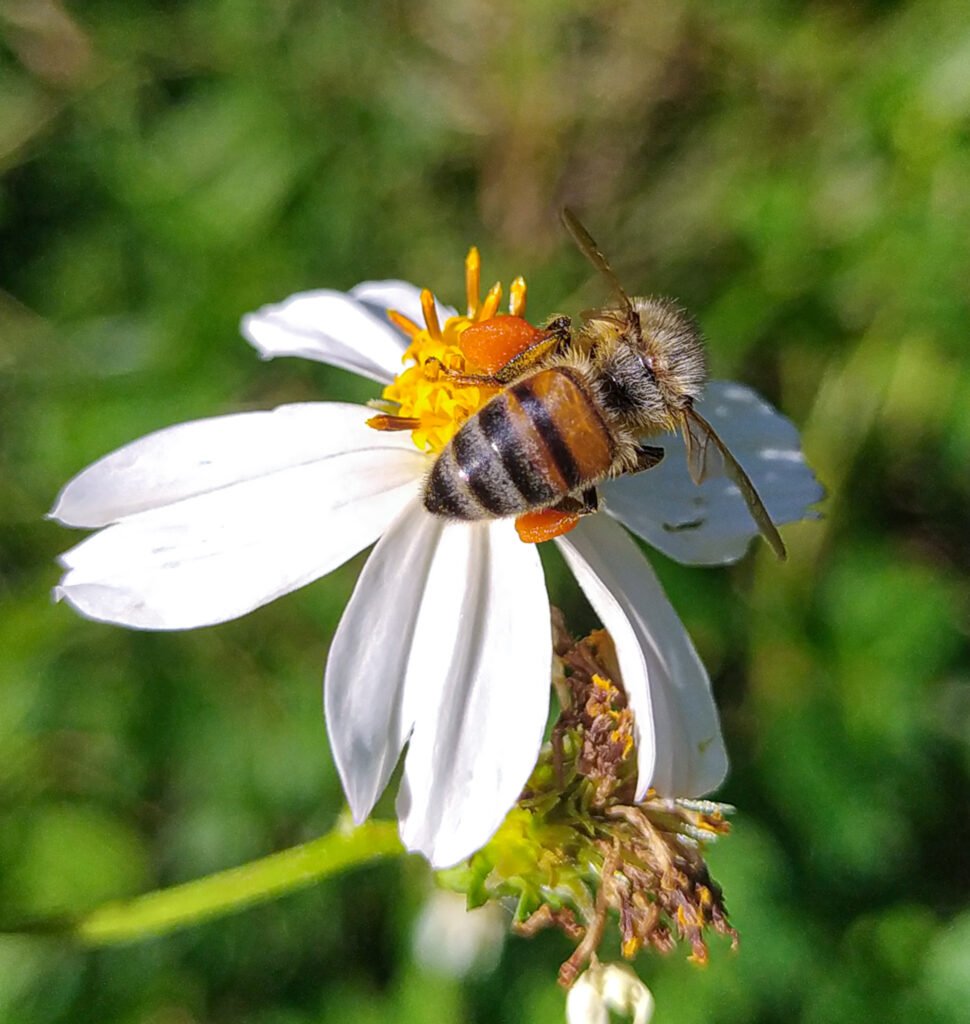
Pollination is the transfer of pollen from a flower’s male structures to its female structures, enabling fertilization and the production of seeds and fruit. Some plants self-pollinate or rely on wind to carry pollen, but a large share of the world’s flowering plants, including many of the crops people eat, depend instead on animals, chiefly
Pollination Read More »
The transfer of pollen between flowers, often by animals, enabling fertilization and underpinning about 75% of food crop types.
A polymer is a large molecule built from many repeating smaller units, called monomers, chemically linked together into long chains. Polymers make up both natural materials, including cellulose in plant fibers, proteins, and natural rubber, and synthetic materials such as plastics, synthetic rubbers, and many modern fabrics, and their unique combination of light weight, flexibility,
Polymer Read More »
A large molecule built from many repeating smaller units, chemically linked into long chains, forming the basis of plastics and many natural materials.
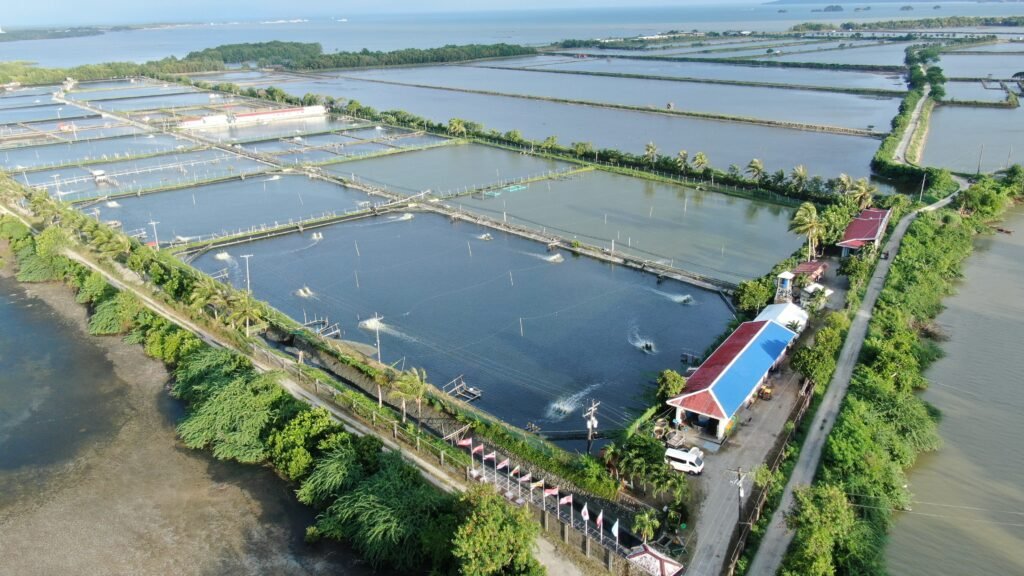
Pond culture is the practice of raising fish or shrimp in constructed earthen or lined ponds, making it one of the oldest and most widely used forms of aquaculture worldwide. It remains the dominant production method for species such as carp, tilapia, and farmed shrimp across much of Asia, where it has been practiced in
Pond Culture Read More »
The practice of raising fish or shrimp in constructed earthen or lined ponds.
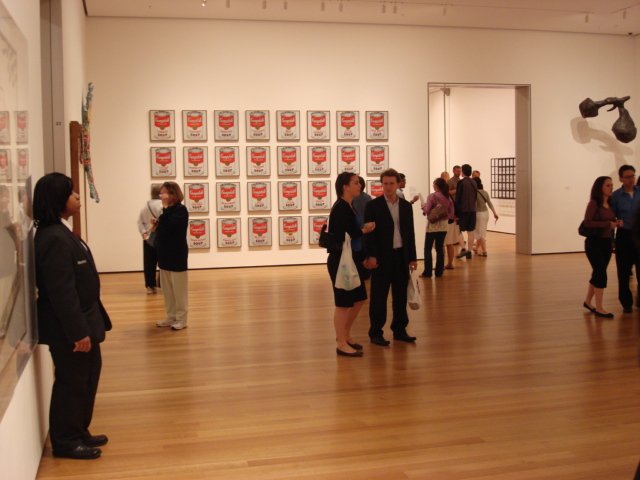
Pop art is an art movement that emerged in the mid-1950s and flourished through the 1960s, drawing its imagery directly from mass consumer culture, advertising, comic books, and celebrity, deliberately blurring the line between fine art and the commercial visual world that surrounded ordinary postwar life. British origins The movement’s first widely recognized milestone is
Pop art Read More »
A mid-1950s to 1960s art movement drawing its imagery from mass consumer culture, advertising, and celebrity.
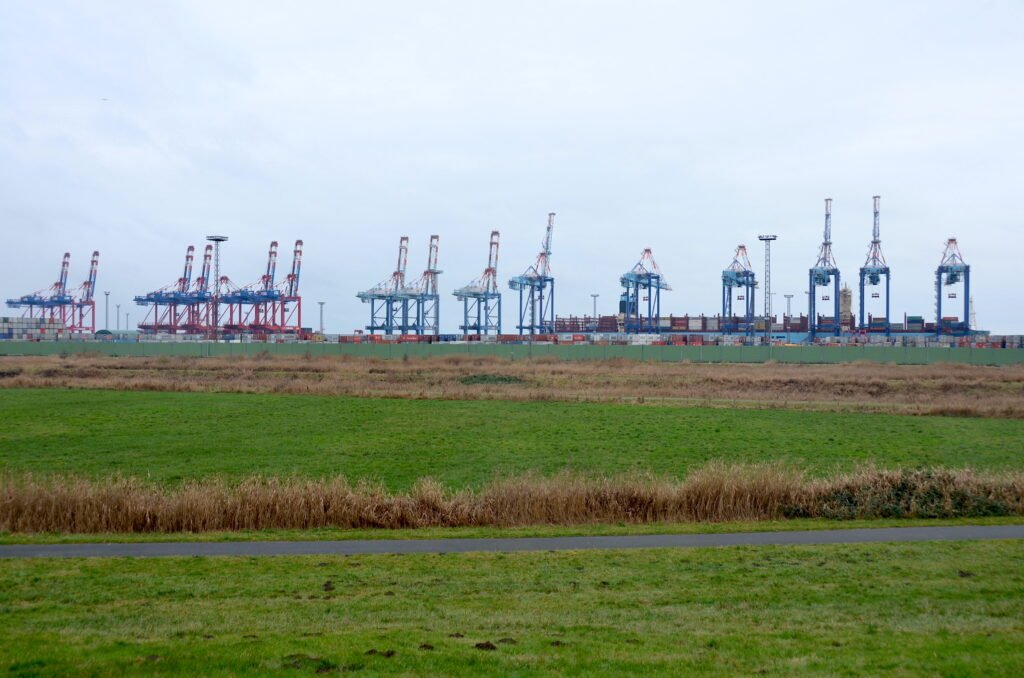
What Port Operations Covers Port operations encompasses everything required to move cargo and passengers between ships and land-based transportation at a seaport, including vessel berthing, cargo loading and unloading, warehousing, customs clearance, and coordination with trucking and rail connections. A well-run port minimizes the time a ship spends at berth, since idle vessel time is
Port Operations Read More »
Port operations is the set of activities required to load, unload, store, and transfer cargo and passengers between ships and land-based transportation at a seaport.