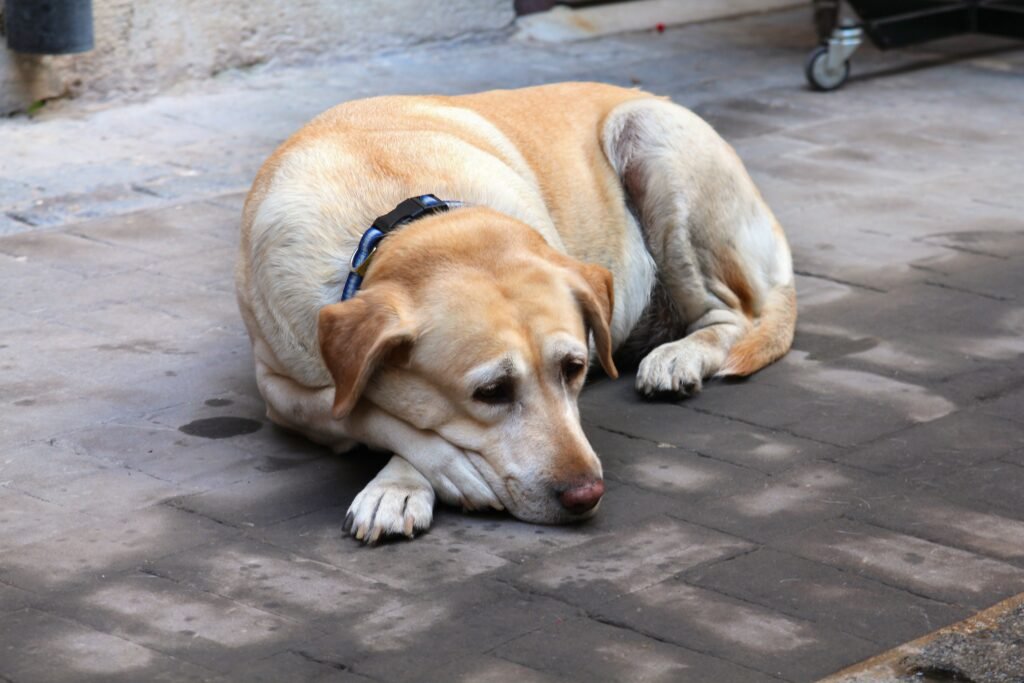
Defining the Senior Life Stage The transition into the senior life stage varies considerably by species, breed, and size, with larger dog breeds generally reaching senior status earlier than smaller breeds due to differing aging trajectories and lifespans. Cats are typically considered senior starting around ten to eleven years of age, though individual variation is
Senior Pet Care Read More »
The adapted veterinary and husbandry practices used to support the health, comfort, and quality of life of aging companion animals.
Separation of powers is a model of government organization that divides state authority into separate, independent branches, each holding its own distinct powers, so that no single branch can accumulate enough authority to dominate the others. The eighteenth-century French philosopher Montesquieu is widely credited with coining and popularizing the concept, which has since become a
Separation of Powers Read More »
A model of government that divides state authority among independent branches, paired with checks and balances, to prevent any one from dominating.
Sepsis is a life-threatening medical emergency that occurs when the body’s response to an infection becomes dysregulated and begins to injure its own tissues and organs rather than simply fighting off the invading pathogen. Rather than being caused directly by the infection itself, sepsis results from the body’s own overwhelming and poorly controlled inflammatory response,
Sepsis Read More »
A life-threatening condition in which the body's dysregulated response to infection damages its own tissues and organs.
In simple terms A Series A is the first large round of outside investment most startups raise, and usually the point at which professional venture capital firms come in. The name comes from the shares issued. Investors receive Series A preferred stock rather than the ordinary shares founders hold. The US Securities and Exchange Commission
Series A funding Read More »
A Series A is a startup's first large venture capital round, named after the class of preferred stock the investors receive.
Servant leadership is a leadership philosophy in which the leader’s primary role is to serve the needs of followers, the organization, and the broader community, rather than to accumulate power or status. It inverts the traditional hierarchy, positioning the leader’s success as measured by how well those they lead grow and thrive. Greenleaf’s 1970 essay
Servant Leadership Read More »
A leadership philosophy in which the leader's primary role is to serve the needs of followers and the broader community rather than to accumulate power.
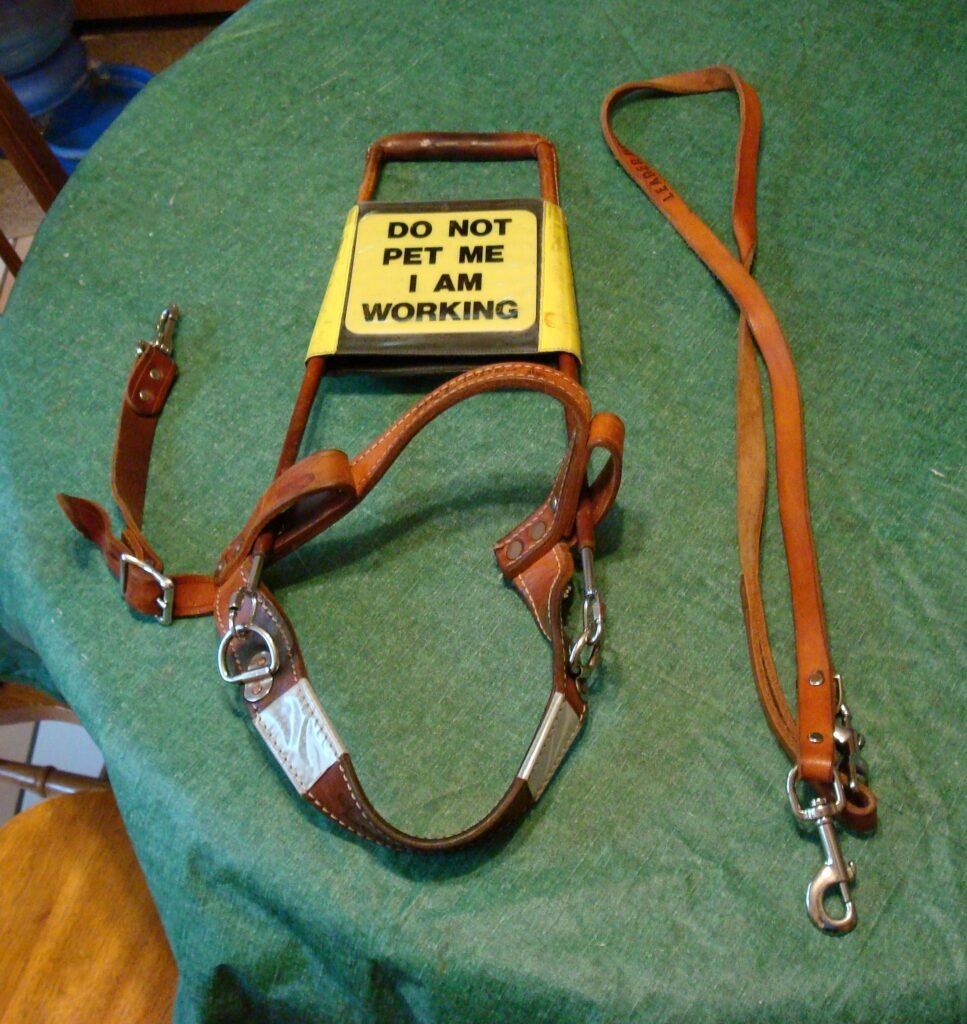
Legal Definition and Scope In the United States, the Americans with Disabilities Act defines a service animal narrowly as a dog that has been individually trained to perform a specific task directly related to a person’s disability. This legal definition grants service dogs broad public access rights, allowing handlers to bring them into most public
Service and Assistance Animals Read More »
Animals individually trained to perform specific tasks that mitigate a handler's disability, distinguished legally and functionally from emotional support and therapy animals.
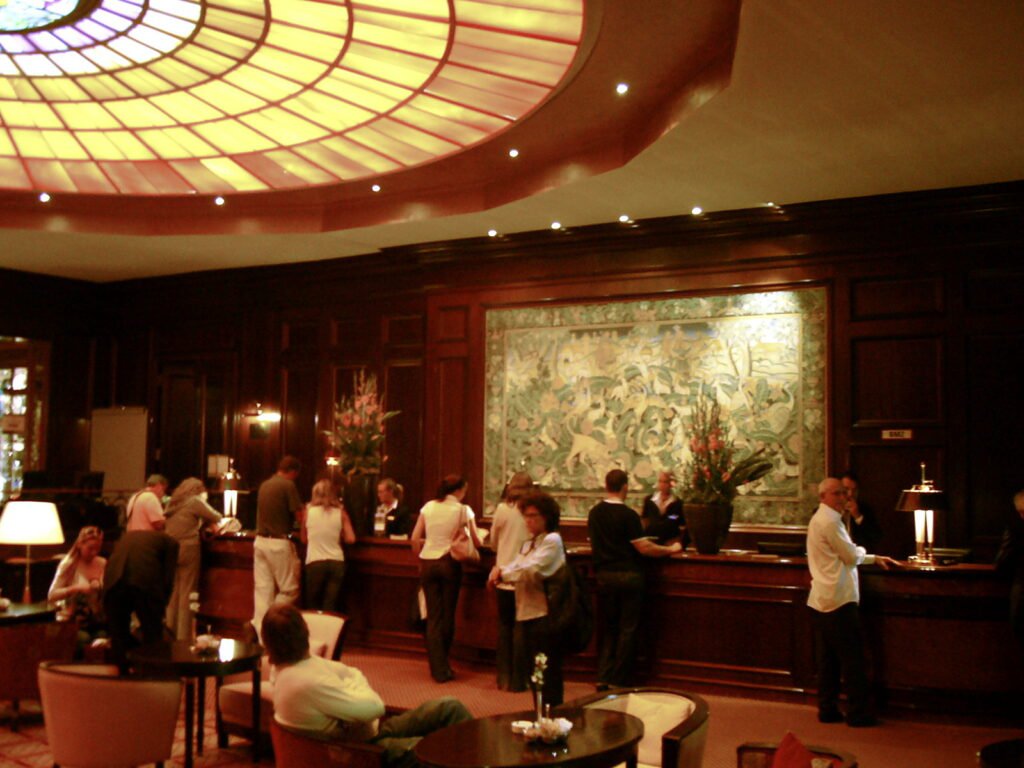
Measuring Service Quality Service quality in hospitality is typically understood through the gap between what a guest expects before an experience and what they actually perceive during and after it, a framework distinct from simply measuring whether specific tasks were completed correctly. Researchers have developed structured measurement tools, most notably the widely used SERVQUAL framework,
Service Quality in Hospitality Read More »
Service quality in hospitality refers to the gap between guest expectations and their actual perceived experience of the service delivered, a central concept used to measure and improve hospitality operations.
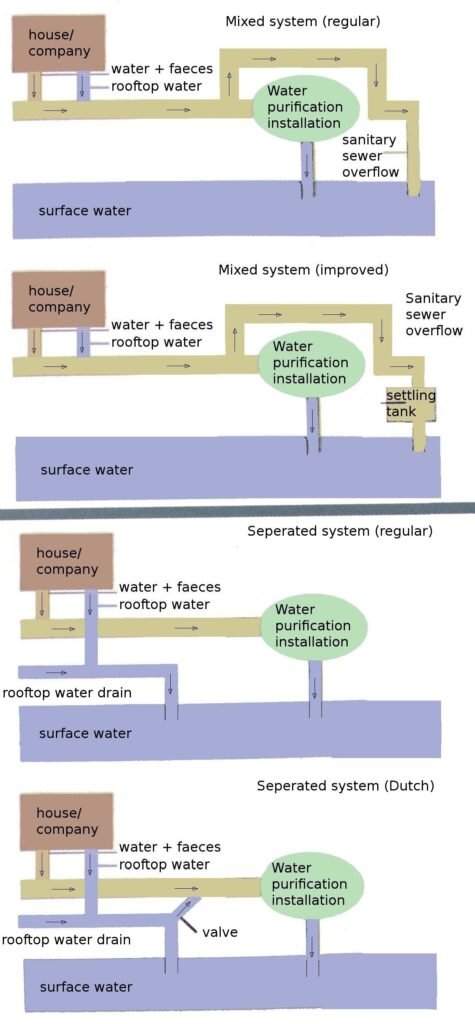
A sewer system is a network of underground pipes that collects wastewater from homes, businesses, and sometimes stormwater runoff, and carries it to a treatment plant or, in some older systems, directly to a natural waterway. Sewer systems rank among the most essential pieces of urban infrastructure, since they protect public health by removing waste
Sewer system Read More »
A network of underground pipes that collects wastewater from buildings and carries it to treatment or disposal.
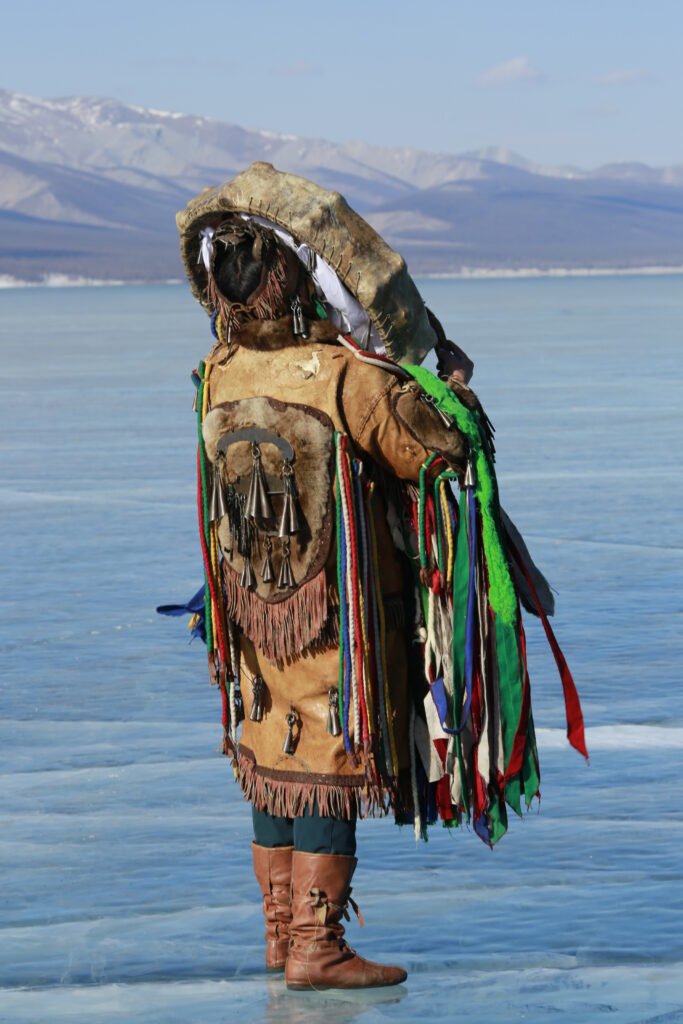
Overview Shamanism refers to a broad family of spiritual practices found across many indigenous cultures in which a specialized practitioner, the shaman, mediates between the human community and the spirit world. The term originates from the Tungusic languages of Siberia but has been applied more broadly by anthropologists to similar practices found from the Americas
Shamanism Read More »
A broad category of spiritual practice in which a shaman mediates between the human and spirit worlds, often through trance, ritual, and healing work.
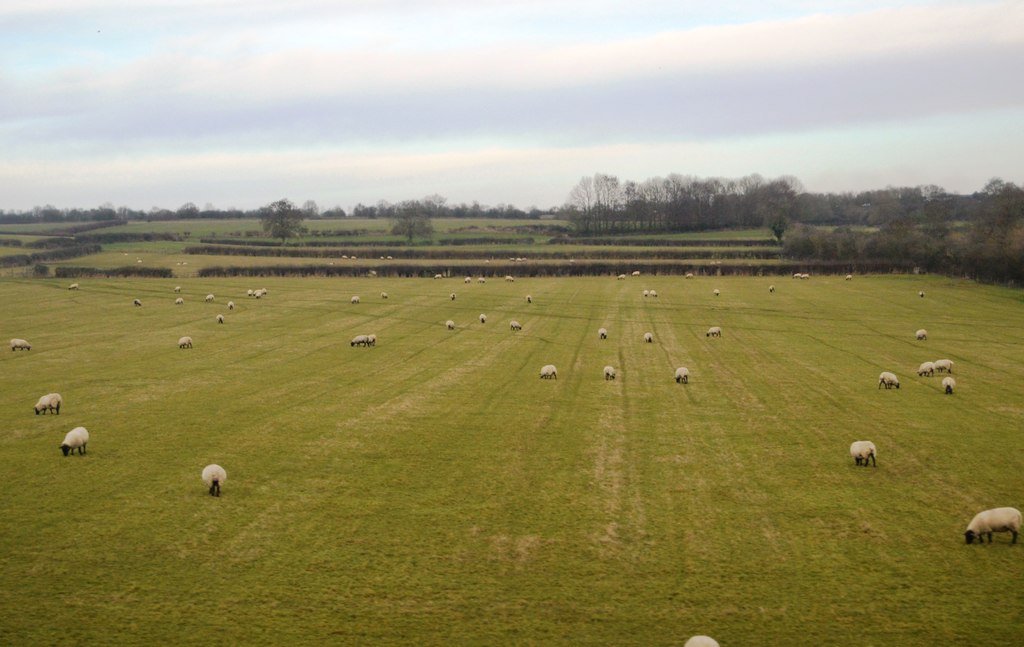
Utilizing Marginal Land Sheep and goat farming has long been valued for its ability to productively use marginal land, including steep hillsides, brushy terrain, and arid rangeland, that would be unsuitable or uneconomical for cattle grazing or crop production, since these smaller, more agile ruminants can navigate difficult terrain and extract nutrition from sparser or
Sheep and Goat Farming Read More »
Sheep and goat farming is the raising of small ruminants for meat, milk, fiber, or a combination of these products, often on land less suited to cattle or crop production.