Utilizing Marginal Land
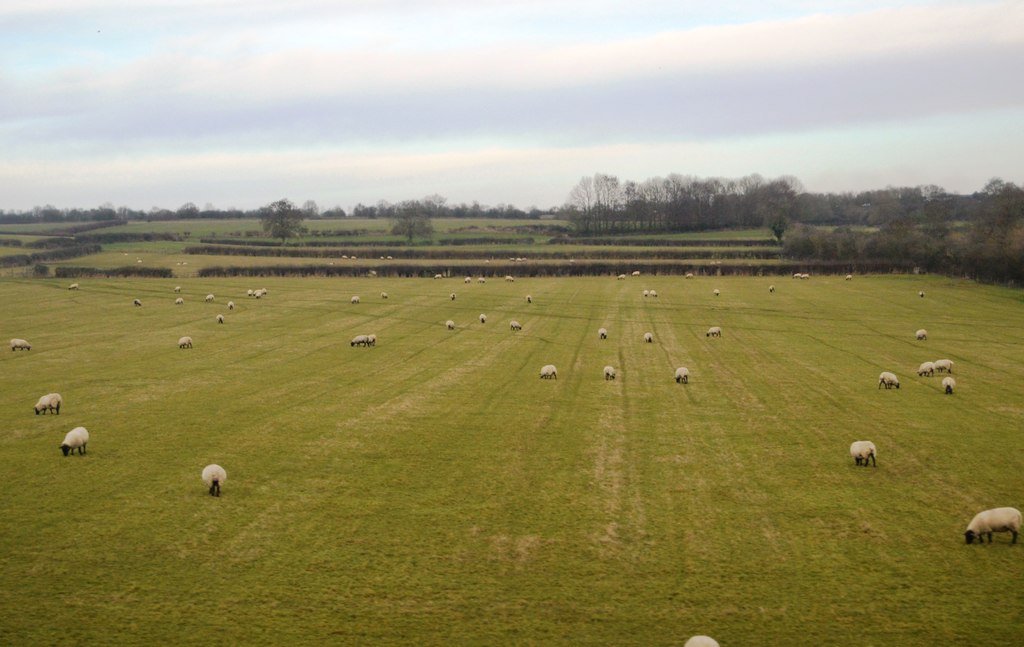
Sheep and goat farming has long been valued for its ability to productively use marginal land, including steep hillsides, brushy terrain, and arid rangeland, that would be unsuitable or uneconomical for cattle grazing or crop production, since these smaller, more agile ruminants can navigate difficult terrain and extract nutrition from sparser or more varied vegetation than cattle typically require. This land-use flexibility has made small ruminant production an important agricultural option in many regions with limited access to prime farmland, supporting rural livelihoods on ground that might otherwise generate little agricultural value.
Diverse Product Outputs
Unlike many livestock categories focused on a single primary product, sheep and goat farming often produces multiple distinct outputs depending on breed and management goals, including meat from both species, milk particularly from dairy goat breeds used for cheese production, and fiber such as wool from sheep or mohair and cashmere from certain goat breeds. This product diversity allows producers to select breeds and management strategies aligned with local market demand, whether that favors meat production, dairy products, or fiber, and some operations combine multiple product streams from the same flock to diversify revenue sources.
Predation and Parasite Management Challenges
Small ruminants face particular vulnerability to predation from coyotes, wolves, and other predators given their relatively small size and limited natural defenses, prompting many producers to employ guardian animals such as livestock guardian dogs, secure night enclosures, or other deterrent strategies tailored to local predator pressure. Internal parasites, particularly gastrointestinal worms, also present a persistent management challenge for sheep and goats, requiring strategic deworming and pasture rotation practices to control parasite burden, since chronic high worm loads can significantly suppress growth and productivity even without causing acute clinical illness.
Dairy Goat Production Specifics
Dairy goat operations, raising goats specifically for milk used in cheese and other dairy products, require management approaches distinct from meat or fiber-focused small ruminant operations, including more frequent milking schedules and nutritional programs calibrated to support sustained lactation rather than primarily growth or fiber production. Goat milk and cheese have carved out a notable specialty market niche in many regions, valued by some consumers for digestibility characteristics and distinct flavor profiles compared with cow dairy products.
Fiber-focused operations raising Angora goats for mohair or specific sheep breeds for fine wool require distinct shearing schedules and fiber handling practices tailored to maintaining fiber quality through to sale.
Seasonal Breeding Patterns
Many sheep breeds exhibit strongly seasonal breeding patterns tied to day length, concentrating lambing within a specific window each year, which shapes overall farm labor planning around an intensive lambing season followed by comparatively lower-intensity periods, though some breeds and management techniques can extend or shift this natural seasonal pattern to better align with specific market timing goals.
Hoof health management, including regular trimming and footbath treatments where foot rot risk is elevated, represents an ongoing routine care requirement that significantly affects mobility and overall productivity in both sheep and goat operations.
Niche and heritage breed conservation efforts have gained renewed attention in sheep and goat farming, as some traditional breeds carry valuable genetic traits, such as disease resistance or adaptation to specific local conditions, that modern commercial breeds may have lost through narrow selection focus.
Marketing cooperatives and direct-to-consumer sales channels have given smaller sheep and goat operations alternative paths to market beyond traditional commodity sales, particularly valuable for specialty products like artisan cheese or breed-specific meat marketed on distinct quality attributes.
Breeding soundness evaluation of rams and bucks before breeding season helps identify fertility problems early, preventing the significant productivity losses that can result from relying on an infertile or subfertile sire across an entire breeding group.
Parasite resistance breeding, selecting replacement animals partly based on natural resistance to internal parasites, has gained research interest as a complementary strategy to chemical deworming amid growing anthelmintic resistance concerns in small ruminant parasites.
Predator deterrent technology, including motion-activated lighting and electronic guardian devices, supplements traditional guardian animals in some operations seeking additional protection layers against increasingly adaptable predator behavior.
Flock and herd health certification programs, verifying freedom from specific diseases, support both domestic sales confidence and export market access for sheep and goat operations seeking to reach broader buyer pools.
Shearing contractor availability and scheduling present a seasonal logistics challenge for wool-producing operations, particularly in regions where skilled shearing labor has become increasingly scarce relative to flock numbers requiring service.
Lambing and kidding assistance protocols, including appropriate intervention timing for difficult births, require trained judgment to balance allowing natural delivery against intervening early enough to prevent complications.
Body condition scoring adapted specifically for sheep and goats helps producers monitor nutritional status through the wool or hair coat that can otherwise obscure visual assessment of underlying body condition.
Colostrum management in newborn lambs and kids, similar in importance to cattle calves, significantly affects early survival rates and long-term health outcomes.
Mineral supplementation tailored to small ruminants addresses species-specific sensitivities, since sheep in particular are highly susceptible to copper toxicity at levels goats tolerate well.
Flock health plans developed jointly with veterinarians increasingly address the full annual production cycle rather than reacting to individual disease events as they arise.
Regional breed suitability assessments help new producers select sheep or goat breeds genetically adapted to their specific local climate and forage conditions.
Weaning stress reduction techniques help lambs and kids transition more smoothly from nursing to independent feeding.
Shearing timing relative to weather conditions affects sheep welfare, since newly shorn animals have reduced cold tolerance until wool regrowth provides adequate insulation again.
Key facts
- Array
Quick checkWhy are sheep and goats often raised on land unsuitable for cattle or crop farming?Show answer
Sheep and goats are smaller, more agile grazers able to utilize rough or steep terrain and sparse vegetation that would not economically support cattle grazing or crop cultivation.
Sources
- Array
Editorially reviewed by Specialty Digest Editorial TeamLast reviewed November 4, 2026Researched and drafted with AI assistanceReport an issue