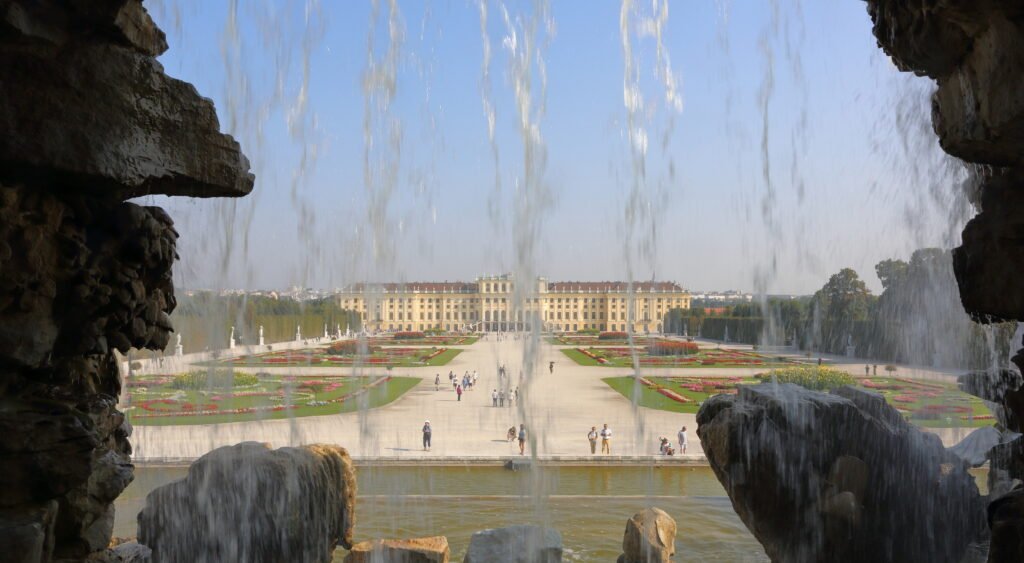
Austria is a landlocked country in Central Europe known for its Alpine landscapes, imperial history and status as one of the world’s wealthiest, most developed economies. Its capital, Vienna, was once the seat of the Habsburg Empire and remains a global center for music, diplomacy and international organizations. Bordered by eight neighboring countries, Austria sits
Austria: Geography, History, Government and Key Facts Read More »
A landlocked Alpine country in Central Europe and former seat of the Habsburg Empire, known for classical music, skiing and Vienna's imperial heritage.
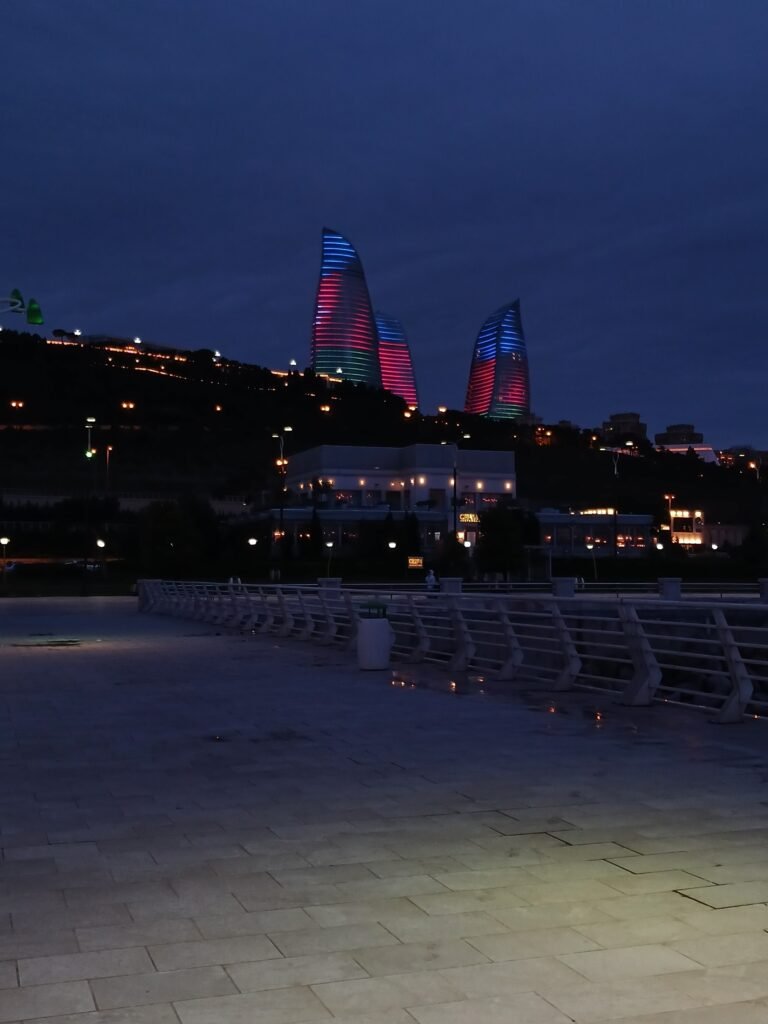
Where Is Azerbaijan Located? Azerbaijan is a country in the South Caucasus region, positioned where Eastern Europe meets Western Asia on the western shore of the Caspian Sea. It shares borders with Armenia and Georgia to the west, Russia to the north, Iran to the south, and Turkiye by way of its Nakhchivan exclave to
Azerbaijan: Geography, History, Government and Key Facts Read More »
Azerbaijan is a country in the South Caucasus on the Caspian Sea, bordered by Armenia, Georgia, Iran, Russia, and Turkiye.
Baghdad is the capital and largest city of Iraq, built on the banks of the Tigris River near the point where the Tigris and Euphrates systems draw closest together. Founded in the eighth century as the seat of the Abbasid caliphate, it grew within a few decades into one of the largest and most intellectually
Baghdad: History, Geography and Key Facts About Iraq’s Capital Read More »
Baghdad is the capital and largest city of Iraq, founded in 762 CE on the Tigris River as the seat of the Abbasid caliphate.
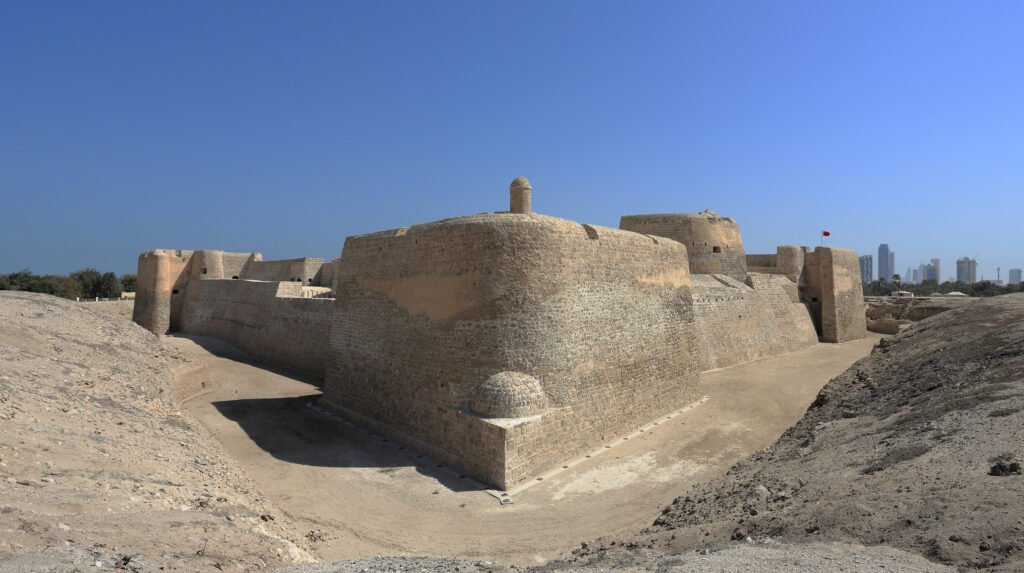
Where Is Bahrain Located? Bahrain is an archipelago nation in the Persian Gulf, positioned between the Qatar peninsula and the eastern coast of Saudi Arabia. Its capital, Manama, lies on the northeastern tip of the main island, near latitude 26.2 degrees North and longitude 50.5 degrees East. A causeway links Bahrain directly to the Saudi
Bahrain: Geography, History, Culture and Key Facts Read More »
Bahrain is a small archipelago nation in the Persian Gulf, home to the ancient Dilmun capital of Qal'at al-Bahrain.
Bangalore, officially Bengaluru, is the capital of the southern Indian state of Karnataka and the country’s leading center for information technology. It sits on the Deccan Plateau at an elevation of roughly 900 meters, which gives it a markedly cooler climate than most of India’s lowland cities. Where Is Bangalore Located? Bangalore lies in southeastern
Bangalore: Geography, History, Culture and Key Facts Read More »
Bangalore (Bengaluru) is the capital of Karnataka, India, and the country's leading information technology hub.
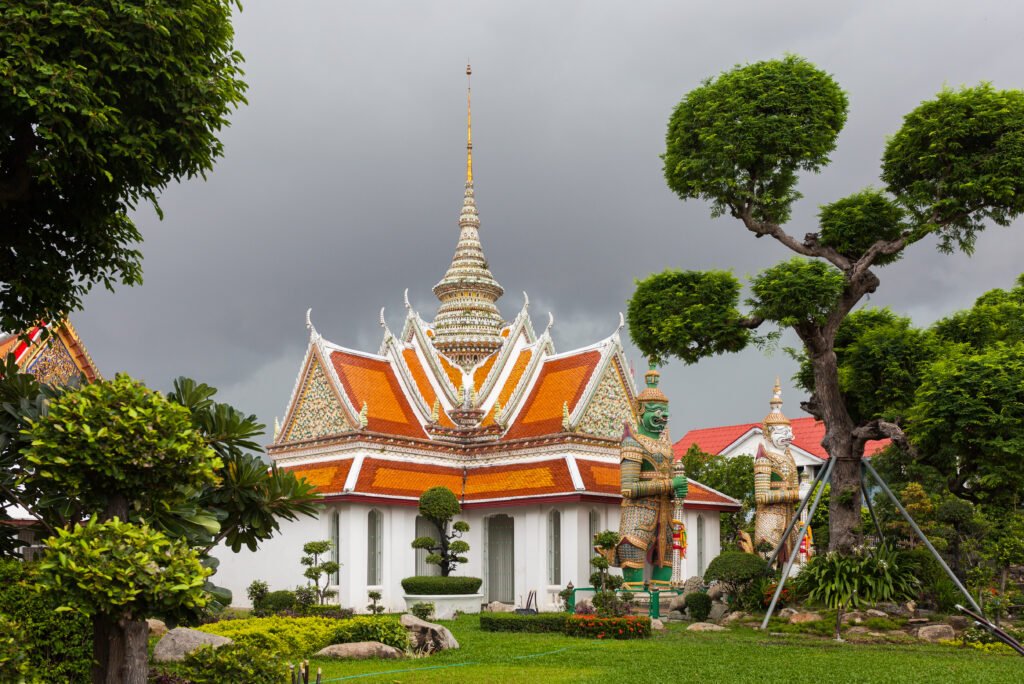
Bangkok is the capital and largest city of Thailand, a sprawling, low-lying metropolis on the Chao Phraya River that serves as the country’s center of government, commerce, culture and transport. Where Is Bangkok Located? Bangkok sits on the Chao Phraya River near the Gulf of Thailand, on a flat alluvial plain in central Thailand. The
Bangkok: Geography, History, Culture and Key Facts Read More »
Bangkok is Thailand's capital, a Chao Phraya River megacity that has been the country's royal and economic center since 1782.
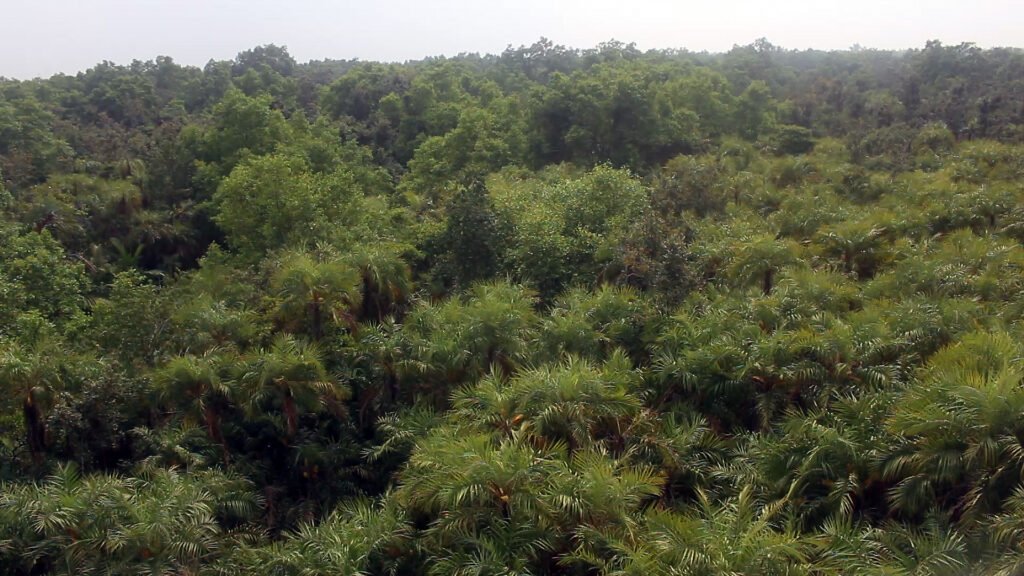
Bangladesh is a densely populated country in South Asia that occupies the active delta where the Ganges, Brahmaputra and Meghna rivers empty into the Bay of Bengal. Bordered by India on three sides and by Myanmar in the southeast, it is home to an estimated 175.7 million people as of 2025 on a landmass of
Bangladesh: Geography, History, Culture and Key Facts Read More »
Bangladesh is a densely populated South Asian country on the Ganges-Brahmaputra-Meghna delta, along the Bay of Bengal.
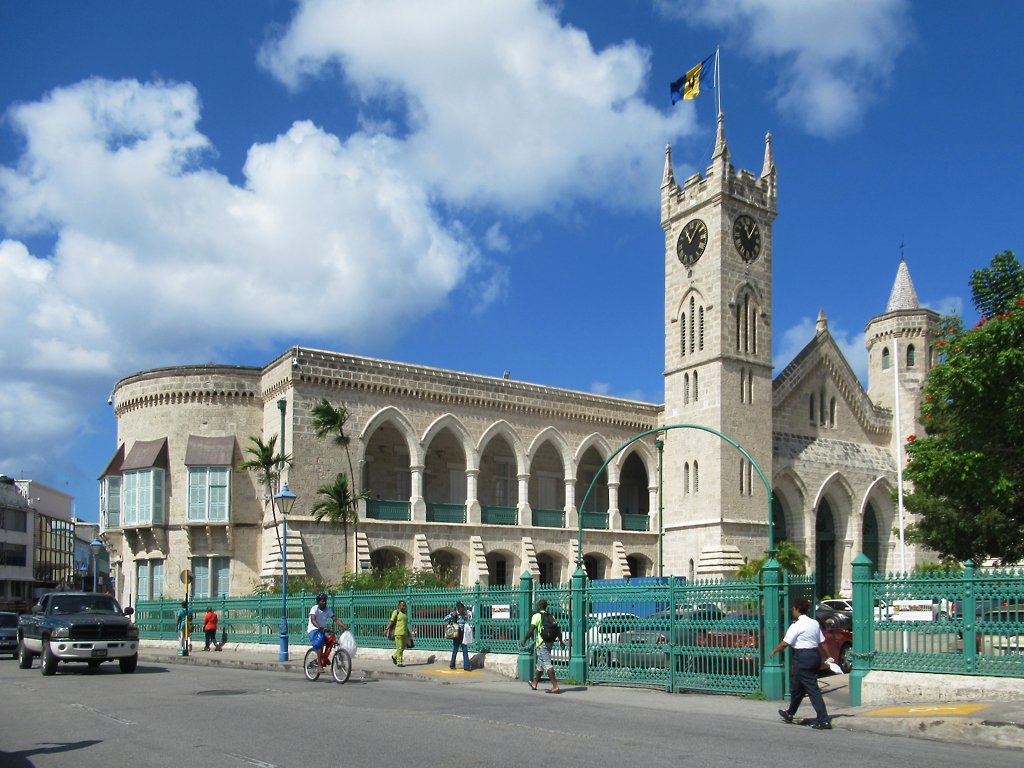
Barbados is an independent island country in the eastern Caribbean, the easternmost of the region’s inhabited islands and, unusually for the Lesser Antilles, situated outside the chain’s main volcanic arc. Its capital, Bridgetown, anchors Barbados’ only UNESCO World Heritage Site, and the country’s economy and society still carry the imprint of a colonial sugar plantation
Barbados: Geography, History, Culture and Key Facts Read More »
Barbados is an independent island country in the eastern Caribbean, known for the UNESCO-listed colonial port of Bridgetown and its sugar plantation history.
What and Where Is Barcelona? Barcelona is the capital of Catalonia, an autonomous community in northeastern Spain, and the country’s second-largest city. It sits directly on the Mediterranean coast between the Collserola hills and the sea, on the Iberian Peninsula’s northeastern edge. As of January 1, 2026, the city’s official population stood at 1,729,963 residents,
Barcelona: Catalonia’s Mediterranean Capital Read More »
Barcelona is the Mediterranean coastal capital of Catalonia, Spain, known for Roman origins, Catalan culture, and Antoni Gaudi's modernist architecture.
Beijing is the capital of the People’s Republic of China, a municipality of about 21.8 million people on the North China Plain in the country’s northeast, bordered on three sides by Hebei province and on the east by the municipality of Tianjin [1][2]. It is China’s seat of national government and one of its provincial-level
Beijing: China’s Imperial Capital Read More »
Beijing is the capital of China, an imperial seat turned modern seat of government built around a UNESCO-recognized dynastic central axis.