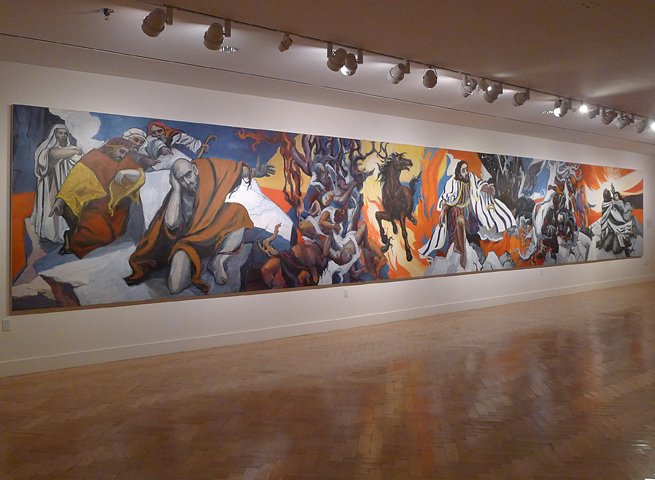
Overview
Theodicy refers to theological and philosophical attempts to reconcile the existence of evil and suffering in the world with belief in a God who is both entirely good and all-powerful. The term was coined by the philosopher Gottfried Wilhelm Leibniz in the early eighteenth century, combining Greek words for God and justice.
The Core Problem
The challenge at the heart of theodicy, often called the problem of evil, asks how an all-powerful and perfectly good God could allow the suffering and injustice observed throughout human history and the natural world. This question has occupied theologians and philosophers across multiple religious traditions for centuries.
Major Approaches
Proposed responses to the problem of evil include the free will defense, which attributes much suffering to the misuse of human freedom, the soul-making approach, which frames suffering as contributing to moral and spiritual growth, and approaches emphasizing the limits of human understanding relative to divine purposes. Each approach carries its own strengths and persistent criticisms.
Variation Across Traditions
While theodicy is most extensively developed within monotheistic traditions that affirm a single all-powerful and wholly good deity, other religious traditions address the reality of suffering through different frameworks, such as karma or impermanence, that do not raise the problem in precisely the same form. This variation highlights how deeply theodicy is tied to specific theological assumptions.
Role Today
Theodicy remains a central topic in contemporary philosophy of religion, with scholars continuing to debate whether any proposed solution fully resolves the tension between divine goodness, power, and the reality of suffering. The question also carries significant pastoral weight, shaping how religious communities support believers facing personal tragedy or loss.
Theodicy and Lived Experience
Beyond its philosophical dimensions, theodicy carries significant pastoral weight, since religious leaders and communities are regularly called upon to offer comfort and guidance to individuals confronting serious suffering or loss. The gap between abstract theological argument and the lived experience of grief has led many theologians to distinguish between theoretical theodicy and what is sometimes called pastoral or practical theodicy, focused on accompaniment rather than explanation alone.
Critiques of Theodicy
Some theologians and philosophers have questioned whether any theodicy can adequately address the depth of certain kinds of suffering, arguing that attempts at rational explanation risk minimizing real pain or offering premature justification for tragedy. This critical perspective has encouraged some contemporary thinkers to focus less on resolving the intellectual problem of evil and more on how religious communities can respond faithfully and compassionately in the face of suffering.
Theodicy Across Religious Traditions
While the classical formulation of the problem of evil is most associated with monotheistic philosophy, thinkers within many traditions have grappled with analogous questions about suffering, responsibility, and the structure of the moral universe, producing a rich comparative literature on the topic. Examining these varied approaches side by side helps scholars identify both shared human concerns and genuinely distinct theological assumptions across traditions.
Theodicy in Everyday Belief
Beyond formal academic treatments, ordinary believers often develop their own working theodicies, informal ways of making sense of suffering in their own lives that may draw loosely on formal theological arguments without adopting any single position in full. Pastoral caregivers frequently encounter this lived, personal dimension of theodicy when supporting individuals through difficult circumstances.
Closing Perspective
Theodicy remains one of the most demanding and enduring challenges in the philosophy of religion, resisting any single, fully satisfying resolution while continuing to generate thoughtful engagement from theologians, philosophers, and ordinary believers alike facing the reality of suffering in their own lives and communities.
Few theological questions remain as personally urgent across so many different life circumstances and traditions.
Theodicy in Religious Education
Religious educators often face the challenge of introducing younger believers to questions of suffering and divine justice in age-appropriate ways, balancing honest engagement with difficult questions against the need to nurture rather than undermine a developing sense of faith and trust.
That careful balance between honesty and pastoral sensitivity remains an ongoing challenge for religious educators across traditions.
Final Considerations
Theodicy, even without a single fully satisfying answer, continues to push theologians and believers toward deeper honesty about the reality of suffering and the complexity of sustaining religious faith in its presence.
This honest engagement remains one of theology most demanding and necessary tasks, regardless of which tradition undertakes it.
That task remains central to theology regardless of changing circumstances.
Theodicy and Interfaith Reflection
Interfaith conversations increasingly draw on comparative theodicy, examining how different traditions frame questions of suffering and justice, often revealing both unexpected common ground and genuinely distinct theological starting points worth careful, respectful study.
Theodicy and Personal Testimony
Personal testimony from individuals who have endured significant suffering often contributes meaningfully to theological reflection on theodicy, grounding abstract philosophical argument in the lived reality of faith tested and, in many cases, sustained through hardship.
That lived testimony often carries more persuasive weight for struggling believers than any purely abstract philosophical argument could.
That weight of lived experience keeps theodicy grounded in real human concern rather than pure abstraction.
Summary of Enduring Significance
Theodicy continues to occupy a central place in theological reflection precisely because the questions it raises are never fully settled, remaining freshly relevant to every generation that must make sense of suffering anew.
Its reach continues growing steadily across generations of thinkers worldwide.
Interest keeps rising steadily among new students and believers alike each passing year.
Steady growth continues worldwide today.
Growth keeps continuing steadily across many communities today.
Growth holds steady too.
Key facts
- Array
Quick checkWhat is the central problem that theodicy attempts to address?Show answer
Theodicy attempts to address the apparent tension between belief in a God who is both entirely good and all-powerful and the undeniable presence of evil and suffering in the world, asking how such suffering can be reconciled with the existence of a deity who would presumably have both the desire and the ability to prevent it.
Sources
- Array
Editorially reviewed by Specialty Digest Editorial TeamLast reviewed November 4, 2026Researched and drafted with AI assistanceReport an issue