Overview
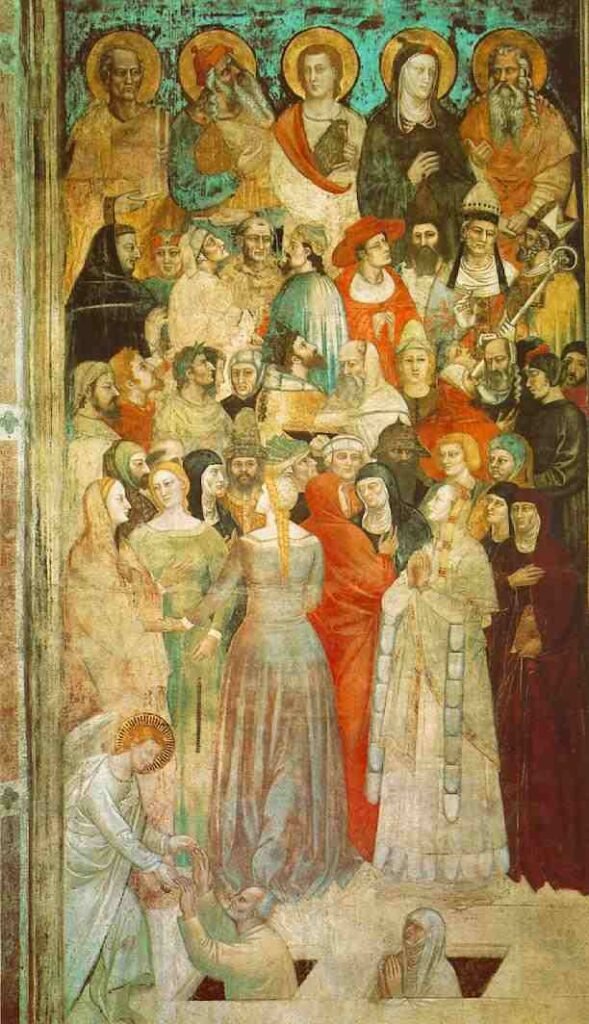
Eschatology is the branch of theology concerned with final events, including death, judgment, the afterlife, and the ultimate destiny of both individuals and the world as a whole. Nearly every major religious tradition addresses these questions in some form, though the specific content and emphasis vary considerably from one tradition to another.
Individual and Cosmic Eschatology
Scholars often distinguish between individual eschatology, concerned with what happens to a single person after death, and cosmic or collective eschatology, concerned with the ultimate fate of the world or humanity as a whole. Many traditions address both dimensions, describing both a personal afterlife and a larger historical or cosmic culmination.
Themes Across Traditions
Common eschatological themes include judgment, reward and punishment, the possibility of resurrection or rebirth, and in some traditions a final restoration or transformation of the created world. These themes often carry significant ethical weight, shaping how believers understand the consequences of their actions during life.
Interpretive Approaches
Within traditions that address eschatology, scholars and believers often disagree over how literally to interpret eschatological texts and imagery, with some favoring detailed literal readings and others treating such material as symbolic expressions of deeper spiritual truths. These interpretive debates have historically generated significant internal diversity within many religious communities.
Role Today
Eschatological beliefs continue to shape how many believers understand the purpose and direction of history, as well as their personal hopes and ethical commitments. Academic study of eschatology remains an active area of theological and comparative religious scholarship, examining both its historical development and its continuing influence on contemporary religious life.
Eschatology and Ethics
Beliefs about final judgment and ultimate destiny often carry significant ethical weight, encouraging believers to live according to their tradition moral teaching in light of an anticipated final accounting for their actions. This connection between eschatology and ethics helps explain why eschatological teaching, even when focused on future events, frequently shapes present-day behavior and community life.
Eschatology and Hope
For many believers, eschatological teaching provides a crucial source of hope and meaning, particularly in the face of suffering, injustice, or mortality, by affirming that present difficulties are not the final word on human destiny. This hopeful dimension of eschatology helps explain its continued pastoral significance even in traditions with sophisticated and sometimes abstract eschatological theology.
Eschatology in Art and Culture
Eschatological imagery, from visions of final judgment to depictions of paradise or cosmic renewal, has profoundly influenced religious art, literature, and popular culture across many traditions and historical periods. This cultural influence illustrates how eschatological ideas extend well beyond formal theology to shape broader artistic and imaginative expressions of ultimate meaning and destiny.
Contemporary Eschatological Thought
Modern theologians continue to reinterpret traditional eschatological language in light of contemporary scientific understanding and ethical concerns, sometimes emphasizing eschatology relevance for present-day action on issues such as justice and environmental stewardship rather than focusing primarily on future events alone.
Eschatology and Comparative Religion
Comparing eschatological beliefs across traditions reveals both striking parallels, such as widespread beliefs in some form of judgment or ultimate accountability, and significant divergence in how traditions understand the precise nature of final destiny, offering rich material for comparative theological study.
Closing Thoughts
Eschatology continues to shape how millions of believers understand the meaning of history and their own mortality, offering frameworks of hope and accountability that remain deeply significant across a wide range of religious traditions today.
Few theological categories touch so directly on personal mortality and collective historical meaning at the same time.
Eschatology and Daily Decisions
Believers who hold strong eschatological convictions often report that these beliefs directly shape everyday decisions, from how they handle conflict to how they prioritize their time and resources, illustrating how beliefs about ultimate destiny can carry very concrete, present-day consequences.
That practical influence shows how even highly abstract theological categories can shape very ordinary daily choices and priorities.
Final Considerations
Understanding eschatology, both its shared themes and its considerable variation across traditions, offers valuable insight into how human beings across history have sought to make sense of mortality and ultimate meaning.
This understanding remains valuable well beyond any single tradition, offering insight into a nearly universal human concern with final meaning and destiny.
That universal relevance keeps eschatology a vital area of comparative study.
Eschatology and Interfaith Study
Comparative study of eschatological belief across traditions has become an increasingly active area of scholarship, as researchers examine both the shared human concern with ultimate destiny and the distinctive theological frameworks each tradition brings to that concern.
Eschatology and Personal Mortality
For many individual believers, eschatological belief becomes most personally significant when confronting their own mortality or that of a loved one, offering a framework of meaning and hope that formal theological study alone cannot fully convey.
That personal dimension is often where eschatological belief proves most pastorally significant, well beyond its place in formal doctrine.
That pastoral weight often outlasts any particular theological formulation a tradition happens to hold.
Summary of Enduring Significance
Across traditions, eschatology continues to anchor some of the deepest and most personally felt convictions believers hold about meaning, mortality, and hope, ensuring its place as a central and continually revisited theological theme.
Its reach continues growing steadily across generations of believers worldwide.
Interest keeps rising steadily among new students and believers alike each passing year.
Steady growth continues in nearly every corner of the world today, keeping this field quite active.
Growth keeps continuing steadily across many communities worldwide today.
Growth holds steady year after year still.
It holds firm still.
More in Theology and Doctrine
Key facts
- Derived from Greek roots meaning the study of last things
- Addresses questions about death, judgment, the afterlife, and the ultimate fate of the world
- Found in some form across nearly every major religious tradition, though with widely varying content
Related concepts
Quick checkWhat kinds of questions does eschatology typically address?Show answer
Eschatology addresses questions about what happens after death, whether and how individuals face judgment, what form an afterlife might take, and whether history is moving toward some final culmination or transformation, with different religious traditions offering substantially different answers shaped by their broader theological commitments.
Sources
- Oxford Dictionary of the Christian Church
- Encyclopedia of Religion
Editorially reviewed by Specialty Digest Editorial TeamLast reviewed November 4, 2026Researched and drafted with AI assistanceReport an issue