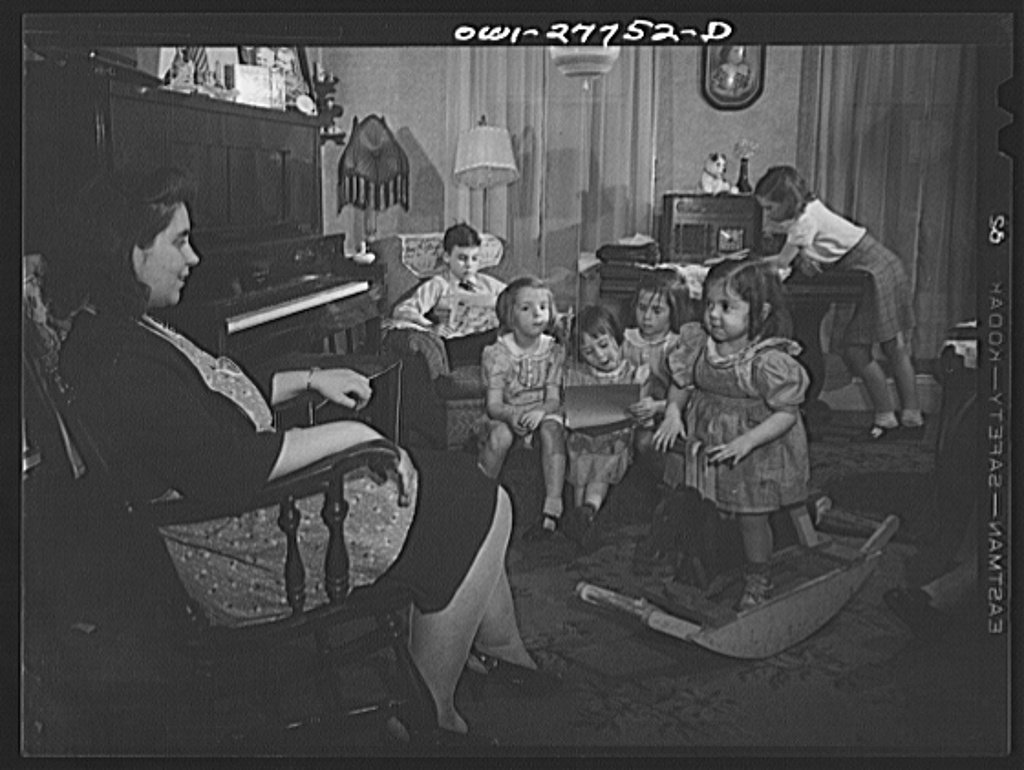
Family preservation is a child welfare approach built on the idea that most children are best served by staying in their own home when it can be made safe, rather than being removed into foster care. Agencies that emphasize family preservation offer intensive, time-limited services aimed at resolving the specific conditions that triggered a safety concern.
What Services Look Like
A family preservation program might include in-home parenting support, substance use counseling, concrete assistance such as help with housing or utility bills, and frequent check-ins from a caseworker. The intensity of these services is deliberately higher than standard ongoing case management, reflecting the short window in which a crisis typically needs to be resolved.
Balancing Safety and Family Unity
Family preservation is not appropriate in every case. When a child faces an immediate and serious safety risk, removal remains necessary regardless of how committed a family is to change. Agencies weigh this balance case by case, and critics on different sides argue respectively that preservation efforts sometimes leave children in danger too long or that removal is used too readily when preservation could have worked.
Evidence and Effectiveness
Research on family preservation programs shows mixed but generally positive results when programs are well targeted at families whose children face moderate rather than severe risk. Programs that combine concrete material support with clinical services tend to outperform those offering only one type of help, suggesting that addressing both the practical and emotional dimensions of a family crisis matters for success.
Funding and Access
Family preservation services are funded through a mix of federal child welfare dollars, state funding, and in some places, time-limited grants, which can make availability inconsistent from one community to the next. Rural areas in particular often struggle to offer the same intensity of in-home services available in urban areas with a larger pool of trained providers.
Comparison to Removal-Focused Approaches
Family preservation represents a deliberate alternative to a child welfare philosophy that leans more heavily toward removal as a default safety response. Jurisdictions that have shifted meaningfully toward preservation-oriented practice have in some cases reduced their foster care populations substantially, though researchers caution that success depends heavily on whether adequate services actually exist to support the families being kept together, not simply on a policy preference for preservation.
Role of the Caseworker
A family preservation caseworker typically carries a much smaller caseload than a standard ongoing case management worker, reflecting the intensity of the service model, and often has specialized training in crisis intervention and short-term family therapy techniques. This specialized role requires a different skill set than the investigative work done earlier in a case, shifting from assessment toward active, hands-on support.
Measuring Program Fidelity
Evaluators of family preservation programs pay close attention to fidelity, meaning whether a program is actually delivered as designed, since programs that drift from their original model in practice tend to show weaker outcomes in research. Agencies that invest in regular supervision, fidelity monitoring, and ongoing staff training are more likely to sustain the positive results seen in the original research behind a given model.
Interaction With the Broader System
Family preservation efforts work most effectively when they are well integrated with the rest of a child welfare agencys structure, rather than functioning as an isolated program disconnected from investigation and ongoing case management. Agencies that build smooth handoffs between these functions tend to serve families more consistently than ones where family preservation operates as a separate silo.
Common Program Models
Several branded family preservation models, including intensive family preservation services and family-centered practice frameworks, have been studied extensively enough to be classified as evidence-based by federal clearinghouses that review child welfare interventions. States increasingly favor these recognized models over locally improvised approaches, since federal funding rules increasingly tie certain prevention dollars to the use of programs with demonstrated evidence behind them.
International Approaches
Other countries have developed their own variations on family preservation, often embedding it within broader universal family support systems rather than treating it as a specialized child welfare intervention triggered only after a safety concern arises. Comparing these international models has influenced reform discussions in the United States, particularly around whether earlier, more universal support could reduce the number of families who ever reach the point of needing intensive preservation services.
Advocates continue to push for expanded funding of these universal, upstream supports, arguing that a system built primarily around crisis response will always struggle to reach every family early enough to make the greatest difference.
Workforce Development for Preservation Services
Because family preservation work demands a distinct blend of crisis intervention and therapeutic skill, agencies increasingly invest in specialized training pipelines and certification programs to build a workforce capable of delivering these intensive services consistently, rather than assuming any general caseworker can shift into this role without additional preparation.
Agencies that pair this specialized training with competitive compensation tend to retain preservation staff longer, which matters directly for program quality since the intensive, relationship-based nature of this work depends heavily on continuity between a family and their assigned worker.
Looking Ahead
As child welfare systems continue experimenting with ways to serve families earlier and more effectively, family preservation is likely to remain a central tool, particularly as federal funding rules continue rewarding prevention-oriented, evidence-based approaches over reactive, removal-first responses.
The field continues to refine these programs based on new research, aiming to serve more families effectively while keeping the model grounded in evidence rather than good intentions alone.
More in Child and Family Welfare
Key facts
- Aims to address the conditions that led to a safety concern
- Often includes in-home counseling and concrete support like housing help
- Reduces reliance on foster care when implemented well
Related concepts
Quick checkWhat is the main goal of family preservation services?Show answer
To keep children safely in their own homes by addressing the underlying conditions behind a safety concern, rather than removing the child.
Editorially reviewed by Specialty Digest Editorial TeamLast reviewed November 4, 2026Researched and drafted with AI assistanceReport an issue