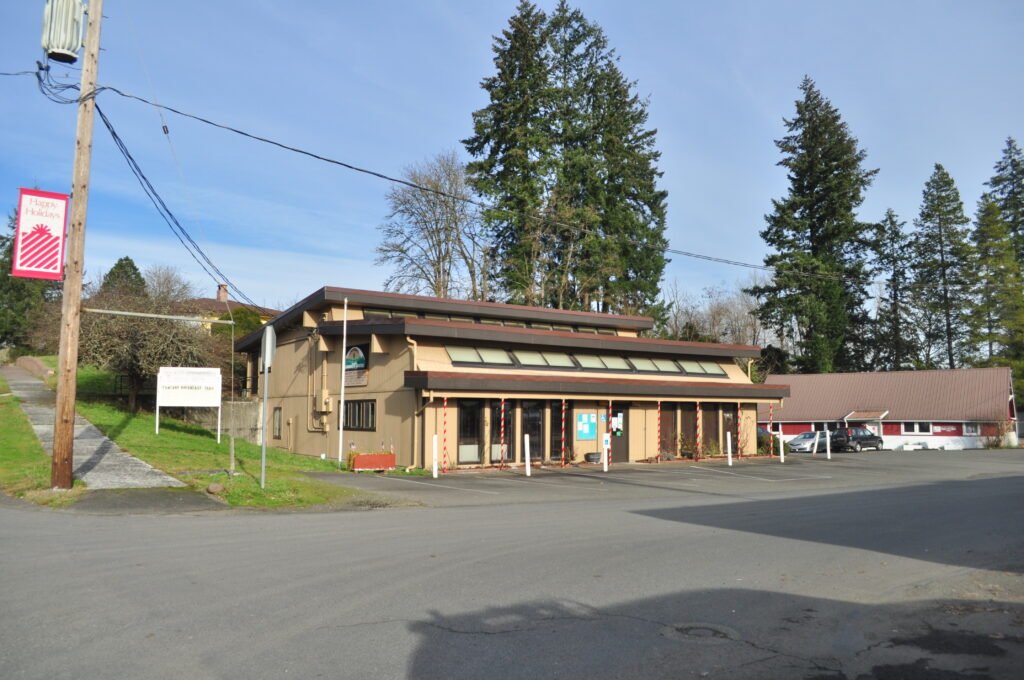
Adult day programs are structured daytime programs that provide supervision, social activities, and sometimes health services for older adults who need support but do not require round-the-clock residential care. These programs typically operate during standard weekday business hours, allowing family caregivers to work, run errands, or simply rest while their relative is safely engaged elsewhere.
Program Types
Some adult day programs focus primarily on social and recreational activities for generally healthy older adults seeking companionship and structured activity, while others, sometimes called adult day health programs, provide more intensive health-related services such as medication management and therapy, often specializing in serving people with dementia or more complex medical needs.
Role in the Care Continuum
Adult day programs occupy an important middle position in the long-term care continuum, offering meaningful support and respite without the cost and disruption of a full residential care move, making them a valuable option for families trying to delay or avoid institutional placement for as long as possible.
Funding and Access
Adult day program costs vary considerably, with some funded in part through Medicaid waiver programs, Veterans Affairs benefits for eligible veterans, or Older Americans Act funding, while others operate primarily on private payment from families, creating uneven access depending on where a family lives and what funding streams are available locally.
Health Benefits Beyond Caregiver Respite
Beyond the respite benefit for caregivers, research suggests adult day programs can provide meaningful health benefits for participants themselves, including reduced social isolation, structured physical activity, and earlier detection of health changes through regular staff contact, benefits that complement rather than substitute for the respite value the programs provide to family caregivers.
Program Design and Activities
Well-designed adult day programs structure the day around a mix of activities tailored to participant abilities and interests, including exercise sessions, art and music activities, and social time, with programs serving people with dementia often incorporating specific therapeutic activities such as reminiscence sessions or structured sensory activities shown to reduce agitation.
Comparing Program Quality
Families evaluating adult day programs typically look at staff-to-participant ratios, staff training specific to the populations served, and whether the physical space is designed with safety features appropriate to participants needs, factors that vary considerably between programs and that advocacy organizations increasingly encourage families to investigate carefully before enrollment.
Integration With Medical Care
Adult day health programs increasingly coordinate directly with participants primary care providers, sharing observations about changes in mood, appetite, or physical function that staff notice during regular attendance, information that can help a physician catch emerging health issues earlier than they might otherwise be identified during infrequent medical appointments alone.
Looking Ahead
As the population of older adults with complex care needs continues to grow, adult day programs are likely to remain an important, cost-effective component of the broader long-term care system, particularly for families seeking to balance employment responsibilities with caregiving for a relative who needs daytime supervision and engagement.
Staff Training Requirements
Many states set minimum training requirements for adult day program staff, covering topics such as basic first aid, recognizing signs of medical distress, and, for programs serving people with dementia, specific training on managing common behavioral symptoms safely and compassionately, though the rigor of these requirements varies considerably from state to state.
Transportation to and from Programs
Transportation to and from an adult day program is often as important a logistical factor as the program itself, since a family unable to arrange reliable transportation may be unable to use an otherwise well-suited program, prompting many providers to offer dedicated transportation services or coordinate with local paratransit systems to reduce this barrier.
For caregivers balancing work and family obligations, a well-chosen adult day program can make the difference between sustainable caregiving and reaching a breaking point.
Comparing Programs to Other Care Options
Families often weigh an adult day program against hiring in-home care for the same hours, a comparison that depends heavily on cost, the social benefits a day program offers that solitary in-home care does not, and whether a participant is comfortable traveling to and engaging with a group setting rather than remaining at home throughout the day.
Looking Ahead
Adult day programs are drawing increased policy attention as a cost-effective complement to family caregiving, with some states expanding Medicaid waiver funding to cover participation and employers beginning to explore subsidies as part of eldercare benefits packages. Program operators are also integrating more health-focused services, including on-site therapy and chronic disease management, to serve participants with higher medical needs who might otherwise require more expensive institutional care. As the caregiving workforce shrinks relative to the aging population, adult day programs are likely to play a growing role in keeping older adults connected to their communities while easing pressure on family caregivers juggling work and care responsibilities.
Choosing a Program
Families evaluating adult day programs should visit in person, observe a typical day, and ask about staff training, activity variety, and how the program handles medical emergencies or behavioral changes among participants.
Transportation to and from the program is frequently a deciding factor for families, since unreliable transport can undermine the consistency that makes adult day programs most effective for participants.
Some programs also offer sliding-scale fees based on income, which can make regular attendance financially feasible for families who would otherwise rely solely on unpaid family caregiving.
Many programs also coordinate with primary care providers to share updates on a participant well-being, helping to catch emerging health concerns earlier than they might otherwise be noticed at home.
More in Gerontology and Aging Services
Key facts
- Some programs specialize in serving people with dementia
- Typically operate on weekdays during standard business hours
- Provide meals, activities, and sometimes transportation
Related concepts
Quick checkWhat is a key benefit of adult day programs for family caregivers?Show answer
They allow family caregivers to work, run errands, or rest while their older relative is safely supervised and engaged during the day.
Editorially reviewed by Specialty Digest Editorial TeamLast reviewed November 4, 2026Researched and drafted with AI assistanceReport an issue