Overview
Preseason physical screening involves a systematic health and movement assessment conducted before a competitive season begins, aiming both to confirm an athlete is medically cleared to participate safely and to identify specific risk factors that might predispose them toward injury during the upcoming season.
Components of a Typical Screening
A comprehensive preseason screening often includes a cardiovascular assessment to check for underlying heart conditions, a musculoskeletal examination reviewing prior injuries, and increasingly, standardized movement-pattern tests designed to flag asymmetries or deficits in strength, flexibility, or movement quality.
Using Screening Results Effectively
The real value of preseason screening depends on how effectively results translate into individualized training or rehabilitation adjustments, since screening that identifies a risk factor without any corresponding intervention provides limited practical benefit to the athlete involved.
Components of the Exam
A comprehensive preseason physical examination typically combines a detailed medical history with a hands-on physical assessment. The history component asks about past injuries and surgeries, chronic medical conditions, medication and supplement use, allergies, and family history of conditions that might affect safe participation, along with specific questions designed to screen for cardiac conditions that could predispose an athlete to sudden cardiac events during intense exertion. Any prior episodes of chest pain, unexplained fainting, or excessive shortness of breath during exercise, as well as a family history of sudden unexplained death before age fifty, warrant further evaluation before clearance.
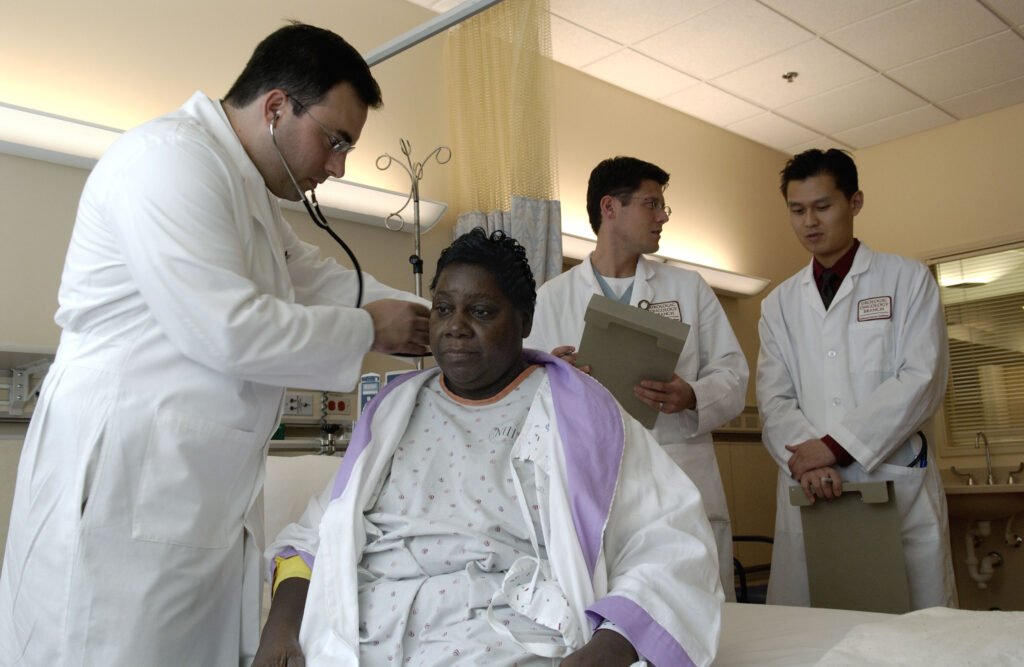
The physical examination component generally includes measurement of height, weight, and vital signs, a cardiovascular exam listening for abnormal heart sounds, an assessment of lung function, and an orthopedic screening that evaluates joint range of motion, strength, and stability, often focusing on previously injured areas or joints at high risk for the athlete particular sport. Vision screening and a basic neurological exam round out the standard components. The overall goal is not to disqualify athletes but to identify conditions that need further workup, treatment, or modified participation before the physical demands of a competitive season begin.
Cardiac and Musculoskeletal Screening
Cardiac screening represents one of the most consequential aspects of preseason evaluation because it aims to identify, however rarely, conditions that could lead to sudden cardiac death during exercise, including structural abnormalities such as hypertrophic cardiomyopathy and electrical abnormalities that a basic history and physical examination alone may miss. Some screening programs incorporate a resting electrocardiogram to increase detection of these high-risk conditions, though the practice remains debated due to its cost, the logistics of screening large numbers of athletes, and the risk of false positive results that can lead to unnecessary anxiety and further testing.
Musculoskeletal screening complements the cardiac evaluation by assessing joint range of motion, strength symmetry between limbs, and functional movement patterns that might reveal an increased injury risk, such as limited ankle dorsiflexion, hip weakness, or poor single-leg landing control. Many programs use a structured functional movement screen or sport-specific movement assessment to standardize this process across large numbers of athletes. Identifying a deficit during preseason screening does not necessarily prevent an athlete from participating, but it does allow clinicians and strength staff to design a targeted preventive program addressing that specific weakness before the season places repetitive stress on it.
Limitations and Controversies
Despite its widespread adoption, preseason screening has real limitations that researchers and clinicians continue to debate. The low prevalence of serious cardiac conditions in the general athletic population means that even screening tools with reasonably good accuracy will inevitably produce a substantial number of false positive results, leading to unnecessary additional testing, anxiety, and in some cases unwarranted disqualification from sport. Conversely, screening methods with lower sensitivity can miss the very conditions they are designed to catch, meaning a normal screening result cannot be interpreted as a complete guarantee against future cardiac events during exercise.
The use of routine electrocardiograms as part of mass preseason screening remains particularly contested, since different countries and sporting organizations have reached different conclusions about whether the benefits of earlier detection outweigh the costs, logistical burden, and downstream effects of false positive results across large populations of young athletes. Musculoskeletal screening faces a related challenge, since research has not consistently shown that identifying a specific movement deficit through screening reliably predicts which individual athletes will go on to suffer an injury, even though certain deficits are statistically associated with elevated risk across large groups, complicating how confidently results should be used to restrict or clear an individual athlete.
Who Should Be Screened
Most organized sports at the school, club, and collegiate level require some form of preseason physical examination before an athlete is permitted to participate, though the specific requirements and the qualifications of the examining provider vary considerably between states, countries, and governing bodies. Many sports medicine organizations recommend that screening occur far enough in advance of the season, often at least six weeks prior, to allow adequate time for any further evaluation or treatment a flagged finding might require, rather than leaving a potential problem to be discovered just days before competition begins, when there is little time to appropriately address it without the athlete missing part of their season.
As sports medicine research continues to evolve, preseason screening protocols are periodically revised to reflect new evidence about which components provide meaningful benefit relative to their cost and potential for false positives. Athletes and families are generally encouraged to view the preseason exam not as a bureaucratic formality but as a genuine opportunity to catch and address issues, whether cardiac, orthopedic, or otherwise, before the physical demands of a new season place unexpected strain on an undetected vulnerability.
Key facts
- Array
Quick checkWhat is one key purpose of preseason physical screening beyond basic medical clearance?Show answer
Identifying movement-pattern deficits or asymmetries that may be linked to elevated injury risk.
Sources
- Array
Editorially reviewed by Specialty Digest Editorial TeamLast reviewed November 4, 2026Researched and drafted with AI assistanceReport an issue