How the Hub-and-Spoke System Works
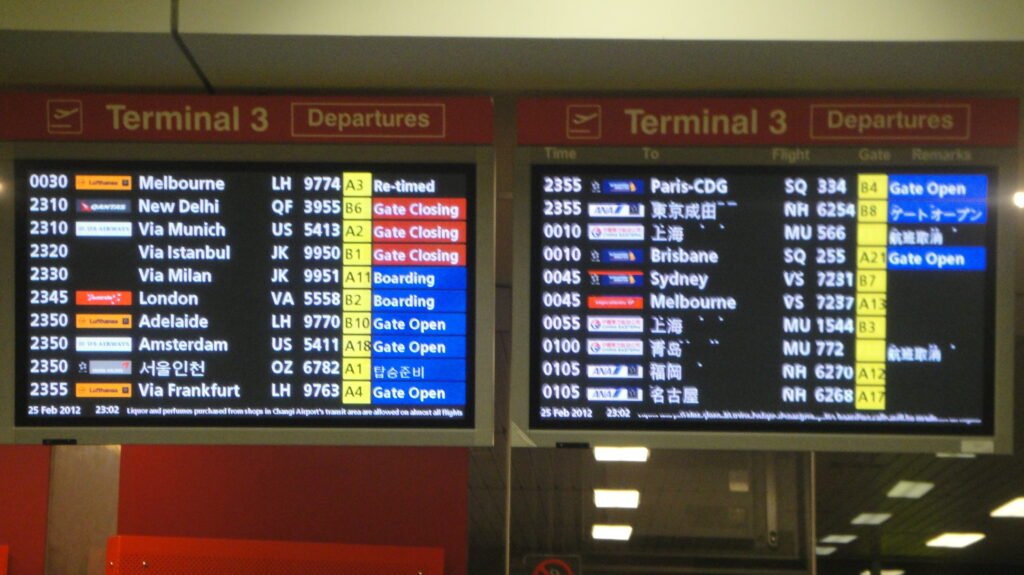
In a hub-and-spoke network, an airline operates a central hub airport where flights from many smaller cities, the spokes, converge. Passengers traveling between two spoke cities typically connect through the hub rather than flying directly, allowing the airline to serve far more city pairs than it could if it operated only direct flights between every combination of destinations.
Advantages of Hub-and-Spoke Networks
This network design lets an airline consolidate passengers from many smaller markets onto larger, more efficient aircraft for the longer hub-to-hub or hub-to-destination segments, improving aircraft utilization and allowing service to smaller cities that could not support direct flights to every destination on their own.
Disadvantages and Trade-offs
Hub-and-spoke networks require passengers traveling between spoke cities to make a connection, adding travel time and the risk of missed connections compared with a direct flight. Hub airports also become critical points of vulnerability, since weather delays or operational problems at a major hub can ripple through an airline’s entire network.
Point-to-Point Alternatives
Many low-cost carriers instead operate point-to-point networks, flying directly between city pairs with sufficient demand rather than routing passengers through a central hub. This approach sacrifices the ability to serve as many total city pairs but offers faster point-to-point travel times and avoids the operational complexity of managing a hub.
Major Hub Airports
Airlines typically select hub airports in cities with strong existing travel demand and favorable geographic positioning relative to the markets they wish to connect, since an effective hub location can efficiently funnel passengers from dozens of smaller cities onto flights serving longer-haul destinations that would not otherwise have enough direct demand to support service.
Hub Congestion and Bank Scheduling
Hub airports often schedule arrival and departure “banks,” clusters of flights landing within a short window followed by a cluster of departures timed to allow passengers to make connections, a scheduling approach that maximizes connection opportunities but also creates periods of intense congestion at the hub airport during each bank.
Fortress Hubs and Market Power
Some airlines develop what is sometimes called a fortress hub, a hub airport where a single carrier controls such a large share of available gates and flights that competition from other airlines becomes difficult, a market structure that has drawn regulatory scrutiny in some cases over concerns about reduced competition and higher fares.
Secondary Hubs and Focus Cities
Beyond their primary hub, many airlines also operate secondary hubs or focus cities, smaller-scale versions of the hub concept that serve a more limited regional network, allowing an airline to capture connecting traffic in additional markets without the scale and infrastructure investment required for a full primary hub.
Hub Vulnerability to Disruption
Because such a large share of an airline’s network depends on smooth hub operations, a major weather event, labor disruption, or technical failure at a primary hub can cascade into widespread cancellations and delays across the airline’s entire route network, far beyond the geographic area immediately affected by the original disruption.
Evolution of Hub Networks Over Time
Airline hub networks evolve over time as carriers merge, exit markets, or shift strategy, with some hubs gaining importance as an airline consolidates traffic there while others are downgraded or closed entirely, often following airline mergers that leave a combined carrier with overlapping or redundant hub infrastructure in certain regions.
Hub Choice and Geographic Positioning
Geographic positioning plays a major role in hub selection for international carriers, with some airlines deliberately building hubs in locations well positioned to connect two distant regions, such as connecting traffic between continents, capturing international connecting passengers who would otherwise need to transit through a competitor’s hub.
Measuring Hub Efficiency
Airlines measure hub efficiency through metrics such as connection time, the percentage of passengers successfully making their connecting flight, and overall aircraft and gate utilization throughout each arrival and departure bank, using this data to continuously refine bank timing and gate assignment at their hub operations.
Hub Networks and Cargo Operations
Hub-and-spoke principles apply not only to passenger airlines but also to express cargo integrators, which operate centralized sorting hubs where packages from many origins are consolidated and redirected overnight toward their final destinations across a wide delivery network.
Hybrid Network Strategies
Some airlines operate hybrid networks that combine hub-and-spoke elements for long-haul connecting traffic with point-to-point service on high-demand short-haul routes, seeking to capture the benefits of both network models rather than committing exclusively to one approach across their entire route system.
Hub Networks and Airline Mergers
When airlines with overlapping hub networks merge, the combined carrier often must decide which hubs to maintain, downgrade, or close, a decision with significant implications for employees, connecting service to smaller cities, and the broader competitive landscape in the affected hub markets.
Outlook for Hub Networks
Hub-and-spoke networks are likely to remain central to how major international airlines structure their operations, even as point-to-point and hybrid strategies continue to carve out meaningful space within the broader competitive landscape.
The choice between hub-and-spoke and point-to-point strategies ultimately reflects each airline’s specific network goals, cost structure, and competitive positioning in its home markets.
Passengers ultimately experience the trade-offs of this choice directly, whether through faster direct flights or broader destination access through a connecting hub.
Both models continue to coexist because different markets reward different trade-offs between reach and directness.
Understanding this trade-off helps explain much of how modern airline route maps are actually drawn.
Both approaches continue to shape how airlines compete for passengers across different kinds of markets and distances.
This remains an evolving strategic question across the industry.
Key facts
- Array
Quick checkWhy do airlines use a hub-and-spoke network?Show answer
It allows an airline to connect many city pairs by routing passengers through a central hub, without needing a direct flight for every combination of cities.
Sources
- Array
Editorially reviewed by Specialty Digest Editorial TeamLast reviewed November 4, 2026Researched and drafted with AI assistanceReport an issue