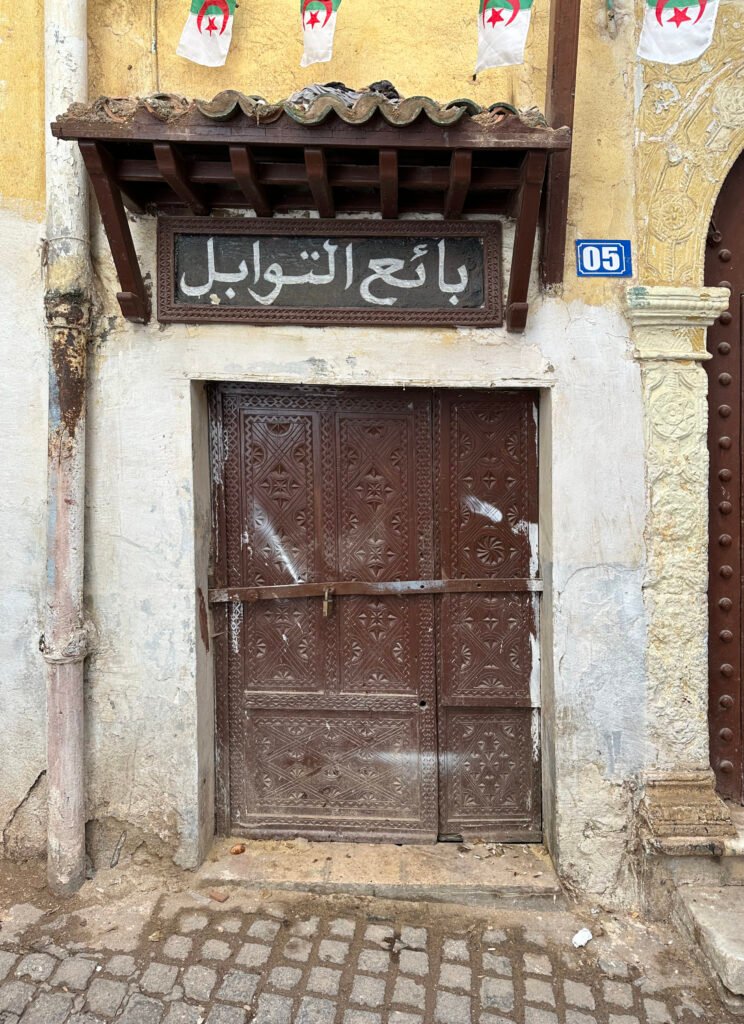
Algeria is the largest country in Africa by land area, located in North Africa on the Mediterranean coast, bordered by Tunisia, Libya, Niger, Mali, Mauritania, Western Sahara and Morocco. Its capital is Algiers. Much of Algeria’s vast southern territory lies within the Sahara Desert, while the population is concentrated along the northern coastal strip, and its economy remains heavily shaped by oil and gas.
Where Is Algeria Located?
Algeria stretches from a fertile Mediterranean coastline in the north deep into the Sahara Desert in the south, making it Africa’s largest country by area and the tenth-largest in the world. The Atlas Mountains cross the northern part of the country, separating the coastal Tell region from the high plateaus and the desert beyond. Algiers, the capital, sits on the coast and is the country’s largest city.
A Brief History
Algeria was colonized by France in 1830 and remained under French rule for more than a century, a period marked by significant settlement by European colonists and deep economic and social disruption for the Algerian population. Algeria won independence after a prolonged and costly war, formally gaining sovereignty in 1962. Since then it has built an economy centered on its substantial oil and natural gas reserves, while working, with mixed results, to diversify beyond hydrocarbons.
Government and Economy Today
Algeria moved back into the World Bank’s upper-middle-income category in July 2024. The World Bank reports that the hydrocarbon sector accounted for 14 percent of GDP, 83 percent of exports and 47 percent of budget revenues between 2019 and 2023, underscoring the country’s continued dependence on oil and gas even as growth has stayed robust, reaching 4.1 percent in 2023. Unemployment stood at 12.7 percent overall in 2024, notably higher among women and young people, and the government has taken steps since 2020 to attract investment by reforming hydrocarbon, investment and banking laws (World Bank).
Culture and People
Arabic is Algeria’s official language, alongside Tamazight (Berber), and French remains widely used in administration, business and education as a legacy of the colonial period. The population is predominantly Arab-Berber and Muslim. Algeria’s long Mediterranean and North African history has left a rich architectural and cultural record, from Roman ruins to Ottoman-era quarters in cities such as Algiers and Constantine.
What Is Algeria Known For?
Algeria is best known internationally for being Africa’s largest country by area, for its vast Saharan interior, for its substantial oil and natural gas reserves, and for its long and difficult path from French colonization to independence in 1962. Its Mediterranean coastline, Roman-era ruins and Sahara Desert landscapes remain central to how the country is understood abroad.
Key Takeaways
- Algeria is Africa’s largest country by land area, stretching from a Mediterranean coastline to the Sahara Desert, with Algiers as its capital.
- It was colonized by France in 1830 and won independence in 1962 after a prolonged war.
- The World Bank reports the hydrocarbon sector still accounts for the large majority of Algeria’s exports and budget revenue.
- Algeria returned to upper-middle-income status in 2024, with unemployment particularly high among women and youth.
- Arabic and Tamazight are official languages, with French still widely used from the colonial era.
Key facts
Quick checkWhat single sector does Algeria's economy remain most dependent on?Show answer
Oil and natural gas (hydrocarbons), which the World Bank reports accounted for the large majority of Algeria's exports and a substantial share of budget revenue from 2019 to 2023.
Sources
- World Bank. Algeria Overview. Undated, accessed 2026 (accessed 2026)
Editorially reviewed by Specialty Digest Editorial TeamLast reviewed September 22, 2026Researched and drafted with AI assistanceReport an issue