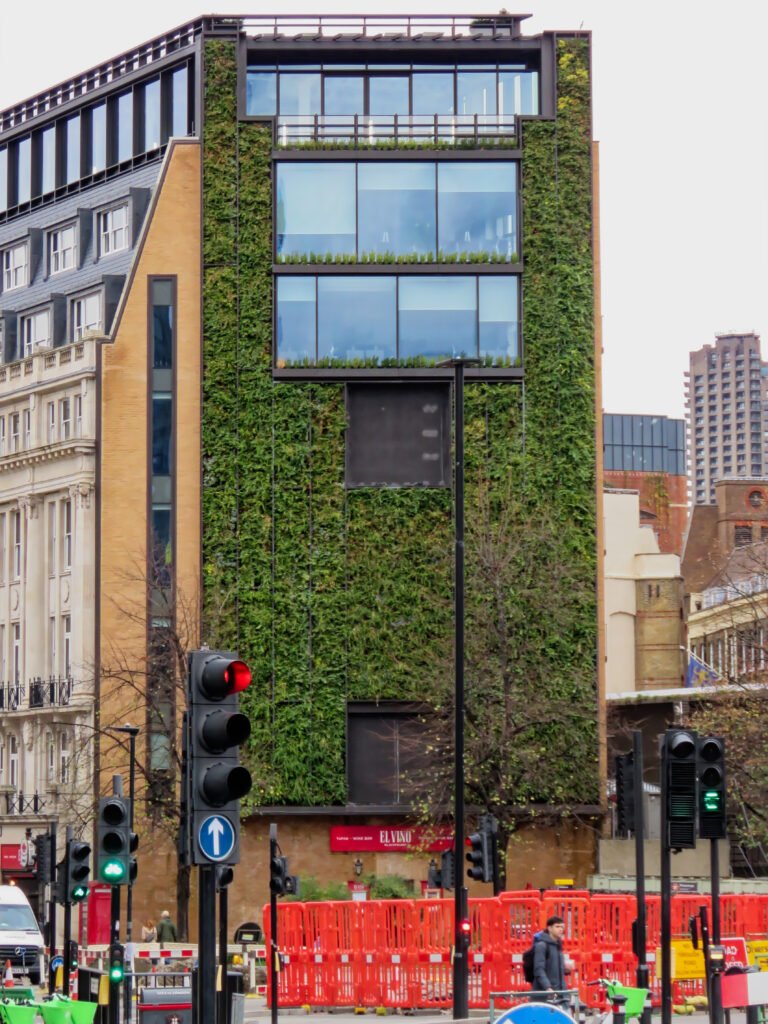
Biophilic design is an approach to architecture and interior design that seeks to connect building occupants with nature through the direct or indirect incorporation of natural elements, patterns, and processes into the built environment. The term derives from biophilia, a concept describing humans’ innate affinity for nature, and reflects a growing body of research suggesting that regular contact with natural elements improves health, mood, and cognitive performance.
Rather than treating greenery or natural materials as purely decorative additions, biophilic design treats the human-nature connection as a fundamental design consideration, influencing decisions about layout, materials, lighting, and even the sounds and smells present within a space from the earliest stages of a project.
Core Principles and Design Patterns
Researchers have identified several recurring patterns through which biophilic design manifests, including direct contact with nature such as plants, water features, and natural light, indirect references such as natural materials, colors, and biomorphic forms that evoke organic shapes, and spatial configurations that mimic natural conditions such as prospect and refuge.
These patterns can be combined in varying degrees depending on a project’s constraints, with some buildings incorporating extensive living walls and atriums while others achieve meaningful biophilic benefit through more modest interventions such as maximizing daylight access and selecting natural wood finishes.
Scientific Basis and Health Benefits
Studies in environmental psychology and occupational health have linked biophilic design features to measurable reductions in stress, improved concentration, and faster recovery from mental fatigue, building on earlier research into the restorative effects of natural environments on human attention and emotional regulation.
Healthcare settings have been a particularly active area of biophilic research, with several studies finding that patients with views of nature or exposure to natural light experienced shorter hospital stays and reduced need for pain medication compared to patients in more conventional clinical environments.
Applications in Workplace Design
Corporate offices have increasingly adopted biophilic design principles, motivated by research connecting natural elements in the workplace to improved employee wellbeing, reduced absenteeism, and higher reported job satisfaction, outcomes that have made a compelling business case alongside the design’s aesthetic and environmental appeal.
Common workplace applications include living walls, abundant natural light through large windows and atriums, views of outdoor greenery from workstations, and the use of natural materials such as wood and stone in place of purely synthetic finishes throughout shared and private spaces.
Biophilic Design in Residential and Urban Settings
In housing, biophilic design often emphasizes maximizing natural light, creating visual and physical connections to gardens or courtyards, and selecting materials that age naturally rather than concealing wear, an approach that contrasts with design philosophies prioritizing uniform, unchanging surfaces.
At the urban scale, biophilic principles extend to green roofs, street trees, and pocket parks integrated into dense development, reflecting a recognition that access to nature should not be limited to private buildings but can be woven into the broader fabric of city life.
Challenges and Criticisms
Critics have noted that biophilic design can sometimes be reduced to superficial greenwashing, where a token plant wall or nature-themed artwork is used to claim biophilic credentials without addressing more substantive design considerations such as daylight access, air quality, or spatial configuration.
Maintenance also presents a practical challenge, since living walls and extensive plantings require ongoing care and specialized irrigation systems, and buildings that fail to budget for this upkeep can see biophilic features decline rapidly, undermining both their aesthetic and psychological benefits.
Measurement and Certification Frameworks
Several rating systems, including the WELL Building Standard, now incorporate biophilic design criteria alongside other health-focused metrics, giving architects and developers a structured framework for evaluating and documenting the extent to which a project incorporates evidence-based biophilic strategies.
These frameworks typically assess factors such as the ratio of window area to floor space, the presence and health of indoor plants, and access to outdoor space, providing a more rigorous basis for biophilic claims than purely aesthetic judgment.
Future Directions in Biophilic Practice
As urbanization continues to separate growing populations from direct contact with natural environments, biophilic design is increasingly viewed not as an optional amenity but as a practical response to the mental health and environmental challenges of dense city living.
Emerging research continues to refine understanding of which specific biophilic interventions produce the strongest measurable benefits, suggesting that future design guidance will likely become more precise about which natural elements matter most in a given context rather than treating nature as a single undifferentiated design input.
Schools and libraries have also become notable adopters of biophilic strategies, with educators reporting that classrooms designed around natural light and views of greenery appear to support sustained attention among students compared to windowless or artificially lit alternatives.
Designers increasingly collaborate with ecologists and environmental psychologists during early planning stages, treating biophilic input as a parallel discipline to structural and mechanical engineering rather than a late-stage aesthetic layer applied after core decisions have already been made.
FAQ
What is biophilic design?
Biophilic design is an architectural approach that incorporates natural elements, patterns, and processes into the built environment to satisfy humans’ innate affinity for nature and improve occupant wellbeing.
Does biophilic design just mean adding plants to a building?
No, while plants are one element, biophilic design also includes natural light, materials, views, spatial patterns, and other features that evoke natural conditions beyond simple decorative greenery.
What are the proven benefits of biophilic design?
Research has linked biophilic design features to reduced stress, improved concentration, faster recovery in healthcare settings, and higher reported wellbeing and satisfaction among building occupants.
More in Architecture
Editorially reviewed by Specialty Digest Editorial TeamLast reviewed November 4, 2026Researched and drafted with AI assistanceReport an issue