Art Deco is a decorative arts and architecture style defined by streamlined geometric forms, bold symmetrical ornament, and an enthusiastic embrace of modern, machine-made materials. It flourished internationally from the 1920s through the 1930s, shaping buildings, furniture, jewelry, fashion, and graphic design with a visual language that one historian described as modernism turned into fashion.
Art Deco Read More »
A decorative arts and architecture style of streamlined geometric forms and machine-age materials, popular in the 1920s-1930s.
A highly ornamented, dramatic architectural style that emerged in Counter-Reformation Rome, emphasizing dynamic curves, grand scale, and theatrical light.
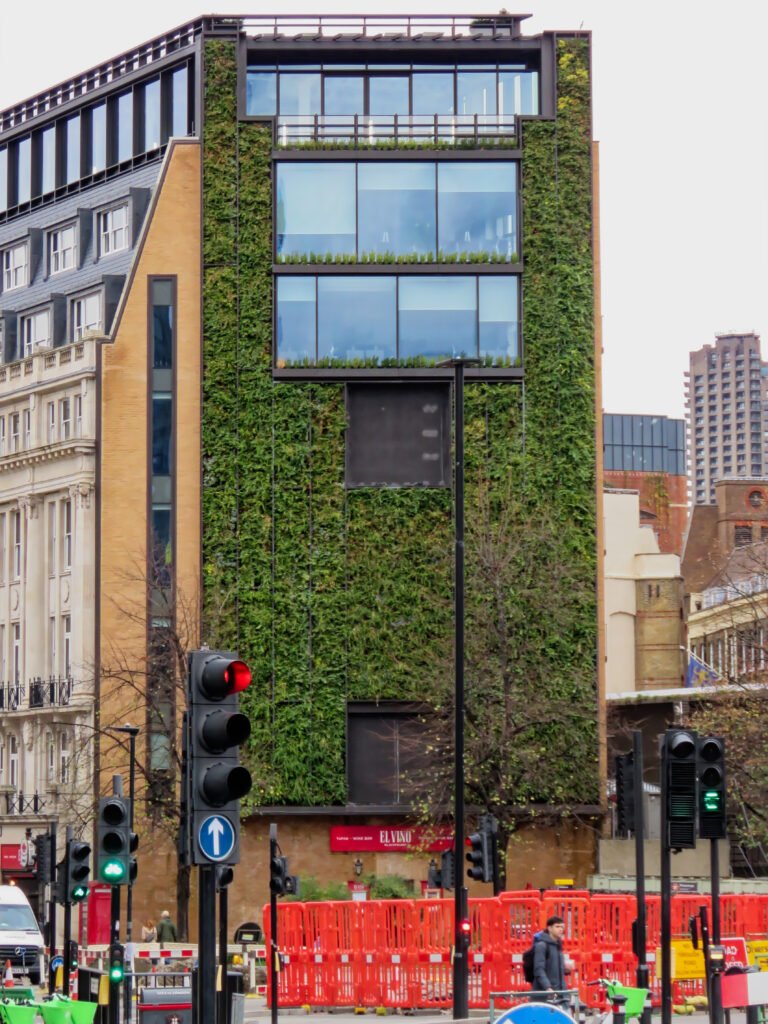
Image: Living wall vertical garden, New Bridge Street House, London by Acabashi, CC BY-SA 4.0, via Wikimedia Commons
Biophilic Design Read More »
An architectural approach that connects building occupants with nature through natural elements, light, materials, and patterns to improve health and wellbeing.
In simple terms Brutalism is a mid-20th-century architectural style defined by raw, exposed building materials, most often unfinished concrete, and heavy, blocky forms that make little attempt to hide a building’s structure or soften its appearance. [1] The name comes from the French phrase beton brut, meaning raw concrete. [1] How it works Brutalist buildings
Brutalism Read More »
Brutalism is a mid-20th-century architectural style defined by raw, exposed building materials, most often unfinished concrete, and blocky, heavy-looking forms.
The building traditions of the Byzantine Empire, distinguished by masterful dome engineering, rich mosaic decoration, and centralized church planning.
Image: Guggenheim Museum Bilbao, a deconstructivist landmark, by Grand Parc – Bordeaux, France, CC BY 2.0, via Wikimedia Commons
Deconstructivism Read More »
An architectural movement characterized by fragmented forms, visual disorder, and a rejection of traditional harmony and symmetry in building design.
In simple terms Gothic architecture is a European building style that dominated major church and cathedral construction from roughly the 12th to the 16th century, recognizable by its pointed arches, soaring ceilings, and large windows filled with colored stained glass. [1] It grew directly out of the earlier, heavier Romanesque style, and solved several of
Gothic architecture Read More »
Gothic architecture is a European building style, dominant from the 12th to 16th centuries, known for pointed arches, ribbed vaults, flying buttresses, and large stained-glass windows.
The design and construction of structures that reduce environmental impact through energy efficiency, resource conservation, and healthier indoor environments.
Islamic architecture refers to the building traditions that developed across the Islamic world beginning in the seventh century, encompassing mosques, palaces, tombs, and civic buildings united by a shared visual vocabulary of geometric ornament, calligraphy, and distinctive structural forms even as it took differing shapes across different regions and periods. Core architectural elements A mosque’s
Islamic architecture Read More »
The building traditions of the Islamic world, uniting mosques, palaces, and tombs through shared ornament and structural forms.
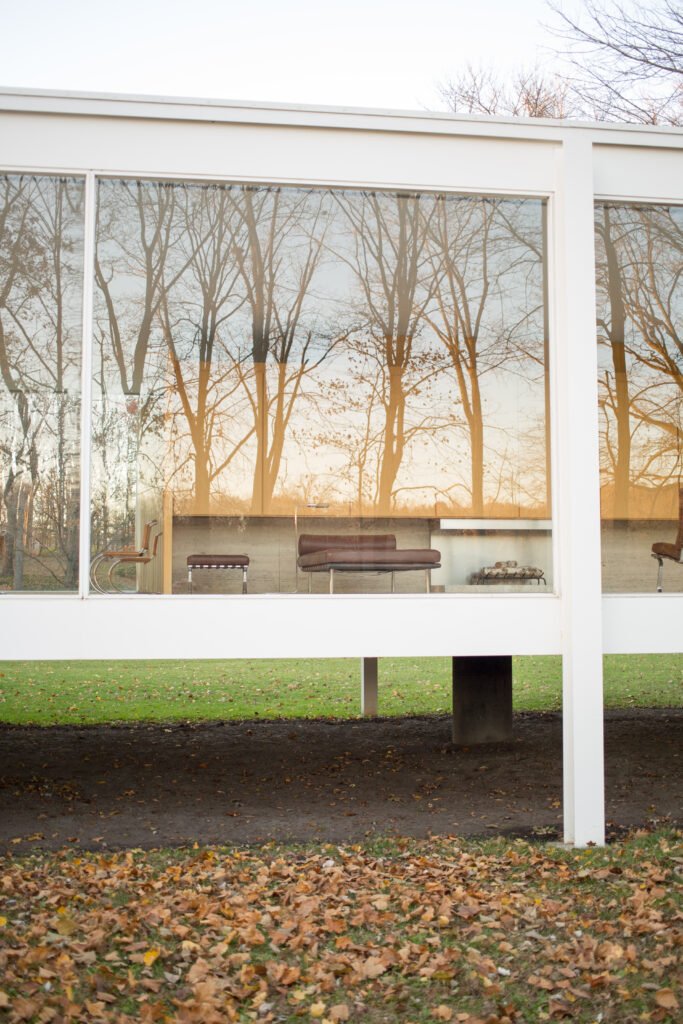
Modernist architecture is a twentieth-century movement that rejected historical ornament in favor of function, new industrial materials, and simplified geometric forms. Rather than drawing on past architectural styles, modernist architects designed buildings around their structural logic and intended use, favoring steel, reinforced concrete, and glass over masonry and decorative detail. Origins and the Bauhaus Much
Modernism (architecture) Read More »
A twentieth-century architectural movement rejecting historical ornament in favor of function, new materials and geometric simplicity.