Overview
A destination management company provides local, on-the-ground expertise and logistics support for groups traveling to a specific destination, often for corporate events or incentive travel.
Role in the Supply Chain
DMCs typically work as subcontractors, receiving business from tour operators, event planners, or corporate travel managers who need reliable local execution without their own on-site staff.
Core Services
Services commonly include ground transportation arrangement, venue sourcing, activity booking, and real-time problem resolution, drawing on local supplier relationships that outside companies would struggle to replicate quickly.
Client Relationships and Contracting
Destination management companies typically operate under contracts with tour operators, corporate meeting planners, or incentive travel agencies rather than selling directly to individual consumers, positioning them as a business-to-business service provider within the broader travel distribution chain. This positioning means DMC success depends heavily on maintaining strong professional relationships and a reliable track record with a relatively small number of repeat corporate clients rather than broad consumer marketing.
Event and Incentive Travel Specialization
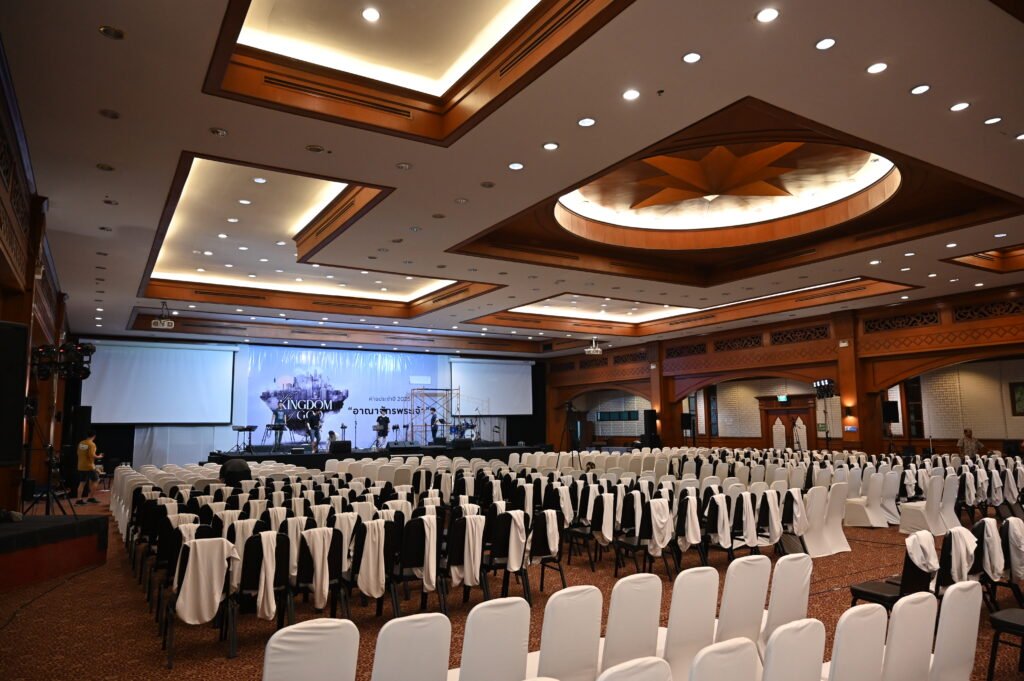
DMCs are particularly prominent in the corporate meetings and incentive travel sector, where companies reward top-performing employees or clients with elaborate group trips that require sophisticated local execution, including private venue access, specialized entertainment, and seamless group logistics that a distant corporate planner could not arrange without local expertise.
Competitive Landscape
The destination management industry includes both large multinational DMC networks operating across many cities and small independent local firms, with competitive advantage typically determined by depth of local supplier relationships, creative program design capability, and a demonstrated record of flawless execution under time pressure.
Crisis Management and On-Ground Support
Because destination management companies maintain staff physically present in the destination, they are often relied upon to handle real-time crisis response, such as medical emergencies, transportation breakdowns, or sudden itinerary changes due to weather or local disruptions, in ways that a remote event planner could not manage effectively alone. This on-the-ground responsiveness is frequently cited as one of the most valuable aspects of working with an established DMC rather than attempting to coordinate complex logistics purely from a distance.
Venue and Supplier Network Development
Successful DMCs invest significant effort in building and maintaining relationships with local venues, transportation providers, and entertainment suppliers, since the quality and reliability of this supplier network directly determines how well a DMC can execute complex client programs under tight timelines.
Measuring Program Success
Corporate clients hiring a destination management company for incentive travel typically evaluate success through participant satisfaction surveys and measurable outcomes such as improved sales performance following the trip, pushing DMCs to demonstrate return on investment rather than simply delivering a well-run event.
Adaptation to Virtual and Hybrid Events
Some destination management companies have expanded into hybrid event support, combining in-person destination elements with virtual participation components for attendees unable to travel, a service offering that grew substantially following broader shifts toward hybrid corporate event formats.
Geographic Specialization
Most destination management companies operate within a single city or region rather than nationally, reflecting the fundamentally local nature of the supplier relationships and logistical knowledge that define the value a DMC provides to clients planning events from a distance.
Pricing and Fee Structures
Destination management companies typically charge clients through a combination of management fees and markups on contracted services, with pricing structures varying based on program complexity, group size, and the level of customization required for a given event.
Building Long-Term Client Relationships
Because corporate meeting and incentive travel budgets often recur annually, successful DMCs prioritize long-term relationship building with repeat corporate clients over one-off transactional engagements, recognizing that consistent delivery across multiple years is what sustains the business.
Industry Associations and Professional Standards
Professional associations serving the destination management industry provide networking, shared best practices, and in some cases certification programs that help establish baseline professional standards across a historically fragmented, locally organized industry.
Expansion Into Experiential Programming
Many destination management companies have expanded beyond pure logistics into designing immersive cultural or team-building experiences for corporate groups, reflecting broader client demand for memorable programming rather than purely functional event execution.
Impact of Economic Cycles on DMC Business
Corporate meeting and incentive travel budgets, the core revenue source for many destination management companies, tend to contract significantly during economic downturns, making DMC revenue considerably more cyclical than consumer leisure tourism spending.
Role of Local Regulatory Knowledge
DMCs provide significant value by understanding local permitting, safety, and insurance requirements for events, helping out-of-town corporate clients avoid regulatory problems that could otherwise derail an event planned without adequate local expertise.
Role in Destination Marketing
Some DMCs collaborate with local tourism boards on destination marketing efforts, since successful corporate events can generate positive word of mouth among business travelers who may return as leisure visitors or recommend the destination to colleagues.
This secondary marketing benefit has made some destination tourism boards active partners in supporting the local DMC industry through promotional grants or familiarization programs.
This kind of informal collaboration benefits both parties, since a well-executed high-profile event can meaningfully raise a destination profile among corporate travel decision-makers.
Over time, these partnerships have become an established, if informal, feature of how many mid-sized destinations compete for corporate meeting and incentive business.
Destinations that actively support this kind of collaboration tend to see stronger long-term growth in their corporate meetings and incentive travel market share.
These partnerships are generally most effective when both the DMC and the local tourism authority approach them as a genuinely mutual long-term investment.
Both sides tend to benefit most when expectations around funding, promotion, and shared credit are clearly defined from the outset of the partnership.
More in Travel and Tour Operations
Key facts
- DMCs often serve corporate meetings and incentive travel groups.
- Local knowledge and supplier relationships are a DMC core value.
- DMCs typically work as subcontractors to tour operators or event planners.
Related concepts
Quick checkWhat value does a destination management company add that a distant tour operator might lack?Show answer
Deep local knowledge, established relationships with on-the-ground suppliers, and the ability to manage logistics and problem-solve in real time within the specific destination.
Sources
- Society for Incentive Travel Excellence
Editorially reviewed by Specialty Digest Editorial TeamLast reviewed November 4, 2026Researched and drafted with AI assistanceReport an issue