Overview
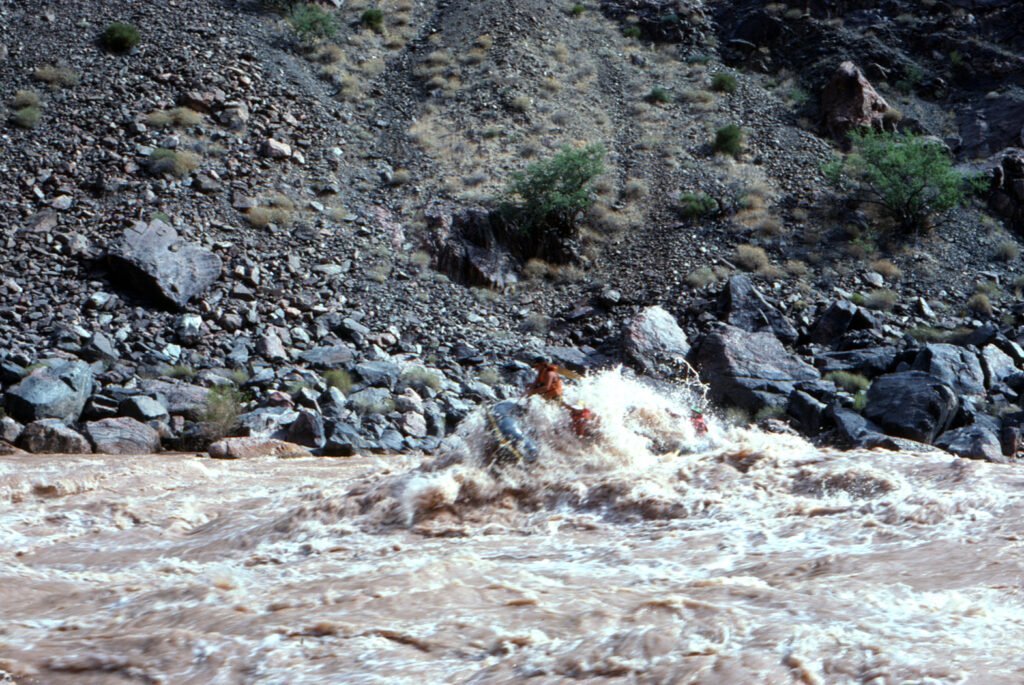
Adventure tourism operations organize and manage travel experiences centered on physically demanding or higher-risk activities, such as whitewater rafting, mountain trekking, or rock climbing.
Safety and Risk Management
Because these activities carry elevated injury risk compared to conventional tourism, operators typically invest heavily in guide certification, equipment maintenance, and emergency response planning as core operational functions.
Market Growth
Adventure tourism has grown significantly as travelers increasingly seek experiential, activity-based trips over passive sightseeing, prompting both specialized boutique operators and larger tour companies to expand adventure-focused offerings.
Equipment and Infrastructure Investment
Adventure tourism operators typically invest heavily in specialized equipment such as climbing gear, rafts, or safety harnesses, along with ongoing maintenance and replacement schedules that keep safety equipment within manufacturer-recommended usage limits, representing a significant and recurring operational cost beyond standard tourism business expenses. Equipment failure during an adventure activity carries far more serious consequences than equivalent failures in conventional tourism, making rigorous maintenance protocols a core operational priority.
Environmental Considerations
Many adventure tourism activities take place in sensitive natural environments such as remote wilderness, coral reefs, or alpine terrain, requiring operators to balance guest access against environmental protection concerns, often through permit systems, visitor caps, or leave-no-trace protocols developed in coordination with land management agencies or conservation groups.
Insurance and Liability Frameworks
Given the elevated injury risk inherent to adventure activities, operators typically require participants to sign liability waivers and often mandate proof of appropriate travel insurance before participation, while operators themselves carry specialized liability coverage that differs significantly from standard tourism business insurance in both cost and underwriting requirements.
Guide Certification for Specialized Activities
Many adventure activities require guides to hold activity-specific certifications, such as wilderness first responder training, swift water rescue certification, or climbing instructor credentials, with certification requirements often set by national or international adventure sports associations rather than general tourism authorities.
Seasonal and Weather Dependency
Adventure tourism operations are frequently highly weather and season dependent, with operators needing contingency plans for canceling or modifying activities when conditions become unsafe, a consideration that significantly affects both scheduling flexibility and revenue predictability compared to indoor or weather-independent tourism activities.
Permitting and Land Access Agreements
Adventure tourism operators working on public lands or in protected areas often must secure permits from government land management agencies, which may limit visitor numbers, require specific environmental mitigation practices, or restrict operations to designated zones or seasons.
Community Relationships in Remote Operating Areas
Operators working in remote or indigenous community areas increasingly prioritize local hiring and revenue-sharing arrangements, recognizing both the ethical importance and the practical operational value of maintaining strong relationships with communities whose land or waters host the adventure activities offered.
Marketing Experiential and Transformational Travel
Adventure tourism marketing increasingly emphasizes personal transformation and achievement alongside the physical activity itself, positioning challenging trips such as high-altitude trekking as much as personal milestones as recreational vacations.
Group Size Limitations for Safety
Many adventure tourism activities impose strict group size limits tied directly to safety ratios, such as a maximum number of participants per guide for climbing or whitewater activities, a constraint that differs fundamentally from conventional tourism where group size is driven mainly by economics rather than safety requirements.
Post-Incident Protocols and Industry Learning
Following safety incidents, adventure tourism operators and industry associations often conduct formal reviews intended to identify procedural gaps and share lessons across the industry, reflecting the particularly high stakes of operational failures in activities involving meaningful physical risk.
Role of Local Guides Versus International Operators
Adventure tourism often involves a layered structure where an international booking company markets and sells the trip while a local operator with specific regional expertise and permits actually executes the activity on the ground, requiring clear coordination between these two parties regarding safety standards and liability.
Customer Screening and Fitness Requirements
Many adventure tourism operators require participants to complete health or fitness questionnaires before booking certain high-exertion activities, allowing operators to flag participants who may need medical clearance or who may be better suited to a less physically demanding alternative.
Balancing Accessibility and Authenticity
Some adventure tourism operators face tension between making activities accessible to a broader range of skill levels and preserving the authentic challenge that attracts experienced adventure travelers, a balance that shapes product design across the sector.
Long-Term Industry Trends
Adventure tourism has grown steadily as a share of overall travel spending, with industry analysts attributing this growth to broader shifts toward experience-based rather than possession-based consumer spending patterns among younger travelers in particular.
This shift has encouraged operators to market adventure trips using language emphasizing growth and achievement alongside the traditional appeal of scenic or exotic destinations.
Operators that successfully balance safety, accessibility, and genuine challenge are generally best positioned to sustain long-term growth within this competitive and safety-sensitive segment of tourism.
Continued investment in guide training and equipment standards remains central to sustaining traveler confidence as this segment continues its steady expansion.
Operators that neglect this investment risk both safety incidents and reputational damage that can be difficult to recover from in a tightly networked traveler community.
Travelers researching operators are increasingly advised to review safety records and guide certifications specifically, not just price and itinerary appeal.
This growing emphasis on safety transparency reflects a broader maturation of the adventure tourism sector as it has grown from a niche pursuit into a mainstream travel category.
As the sector matures further, this transparency is likely to become an expected baseline rather than a competitive differentiator among leading operators.
Travelers who prioritize this transparency when choosing an operator help reinforce the market incentive for continued safety investment across the industry.
More in Travel and Tour Operations
Key facts
- Risk management and safety certification are central operational concerns.
- Many operators require specialized guide training for specific activities.
- Insurance and liability waivers are standard practice in this sector.
Related concepts
Quick checkWhy is risk management a particularly central concern for adventure tourism operators?Show answer
Because the activities involved, such as rafting, climbing, or trekking in remote areas, carry meaningfully higher injury risk than typical tourism activities, making safety protocols and guide training essential operational priorities.
Sources
- Adventure Travel Trade Association
Editorially reviewed by Specialty Digest Editorial TeamLast reviewed November 4, 2026Researched and drafted with AI assistanceReport an issue