Overview Adventure tourism operations organize and manage travel experiences centered on physically demanding or higher-risk activities, such as whitewater rafting, mountain trekking, or rock climbing. Safety and Risk Management Because these activities carry elevated injury risk compared to conventional tourism, operators typically invest heavily in guide certification, equipment maintenance, and emergency response planning as core
Adventure Tourism Operations Read More »
Adventure tourism operations manage travel experiences built around physically active or higher-risk activities such as trekking, rafting, or climbing.
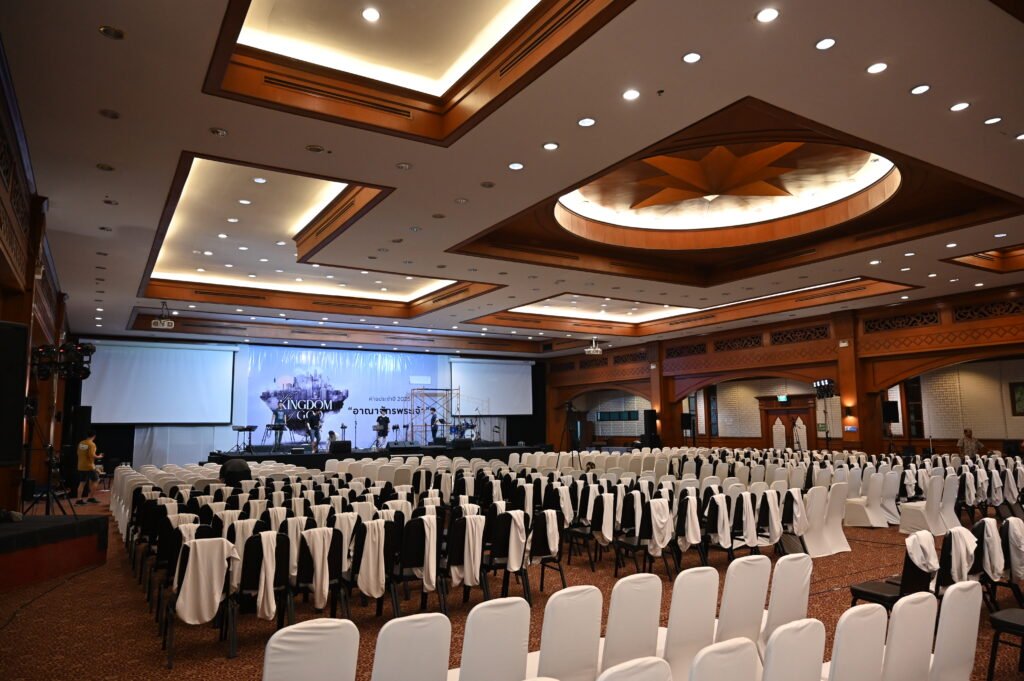
Overview A destination management company provides local, on-the-ground expertise and logistics support for groups traveling to a specific destination, often for corporate events or incentive travel. Role in the Supply Chain DMCs typically work as subcontractors, receiving business from tour operators, event planners, or corporate travel managers who need reliable local execution without their own
Destination Management Company Read More »
A destination management company is a local business that provides on-the-ground logistics, expertise, and services for groups and events within a specific destination.
Overview Group travel management involves coordinating logistics, bookings, and communication for multiple travelers journeying together under a single itinerary. Rate Negotiation Group organizers often negotiate discounted rates with hotels, airlines, and activity providers in exchange for guaranteeing a minimum number of travelers, creating savings unavailable to individual bookers. Coordination Challenges Managing a group itinerary requires
Group Travel Management Read More »
Group travel management is the coordination of travel logistics, bookings, and itineraries for multiple travelers moving together as a single party.
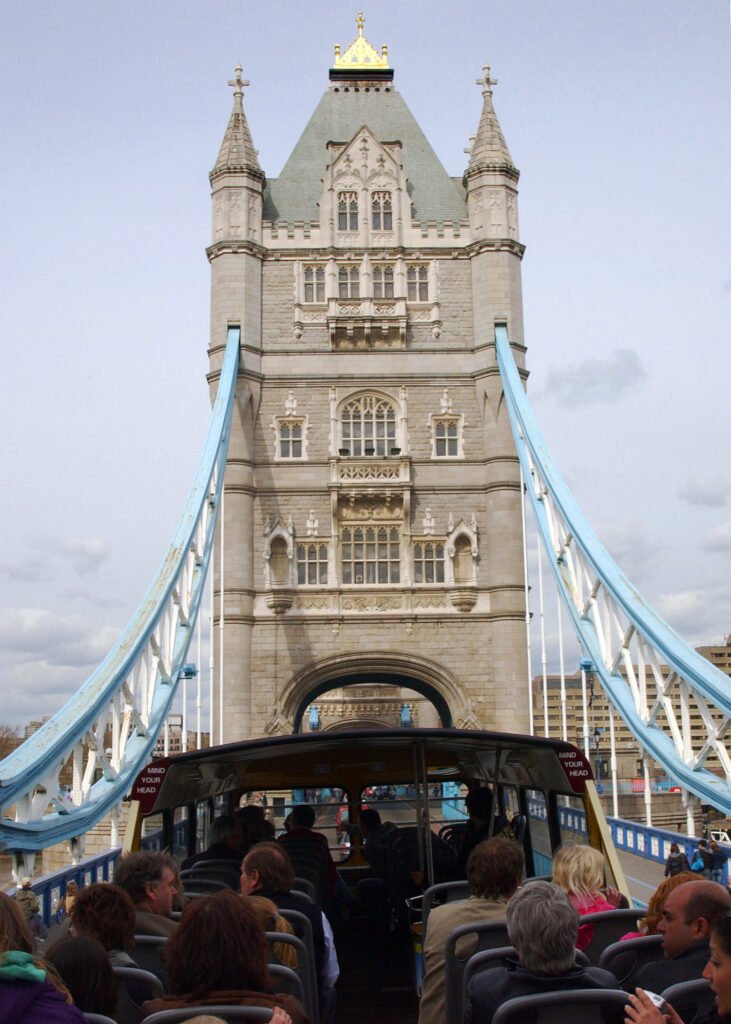
Overview A guided tour pairs travelers with a trained guide who leads the group through a planned itinerary while providing commentary about the places visited. Guide Responsibilities Beyond providing historical or cultural interpretation, guides manage group logistics such as timing, transportation coordination, and handling unexpected disruptions during the tour. Licensing and Certification Many destinations require
Guided Tour Read More »
A guided tour is an organized travel experience led by a trained tour guide who provides commentary, manages logistics, and directs the group itinerary.
Overview An online travel agency operates a digital platform where travelers can search, compare, and book flights, hotels, car rentals, and other travel services. Business Model Most online travel agencies earn revenue through commissions negotiated with suppliers, though some also add a markup to wholesale rates before displaying prices to consumers. Market Influence A small
Online Travel Agency Read More »
An online travel agency is an internet-based platform that allows travelers to search, compare, and book flights, hotels, and other travel services directly.
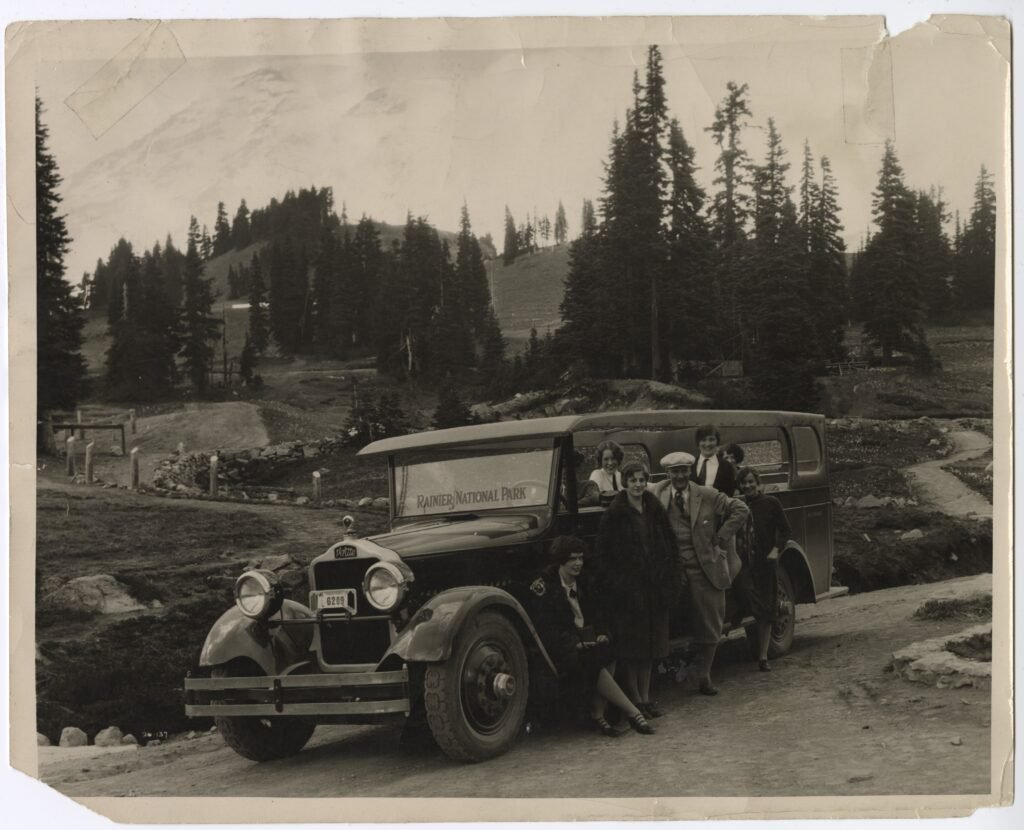
Overview A package tour bundles multiple trip components, typically transportation and lodging, into a single pre-arranged product sold at one price. Historical Development Package tours grew rapidly after commercial jet travel made international destinations more accessible in the 1950s and 1960s, with charter flights and bulk hotel contracts driving down costs for mass-market travelers. Variations
Package Tour Read More »
A package tour is a pre-arranged travel product that bundles transportation, accommodation, and often meals or activities into a single price.
Overview A tour operator assembles individual travel components into a packaged product, then sells that package to consumers directly or through travel agents. Types of Operators Outbound operators sell international or long-distance trips to travelers in their home market, while inbound operators focus on receiving and servicing visitors arriving in a specific destination. Supplier Relationships
Tour Operator Read More »
A tour operator is a business that assembles and sells package travel experiences, combining transportation, accommodation, and activities into a single bookable product.
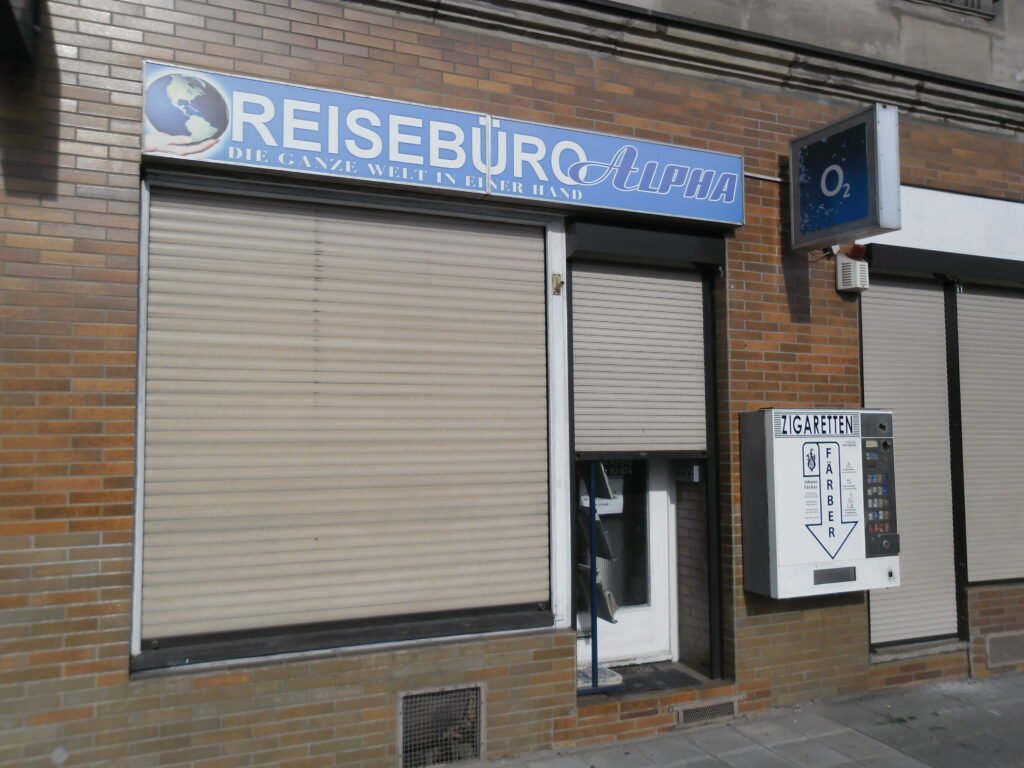
Overview A travel agency sells travel products on behalf of suppliers such as airlines, hotels, cruise lines, and tour operators, earning commission or fees for facilitating bookings. Industry Evolution The rise of direct online booking and reduced airline commissions in the 1990s and 2000s significantly shrank the traditional storefront agency sector, though specialized agencies have
Travel Agency Read More »
A travel agency is a business that sells travel-related products and services, including flights, accommodations, and packaged tours, on behalf of suppliers.
Overview Travel insurance provides financial protection against a range of trip-related risks, including cancellation, medical emergencies abroad, and lost or delayed baggage. Common Coverage Types Standard policies typically bundle trip cancellation and interruption coverage, emergency medical and evacuation coverage, and baggage protection, though coverage limits and exclusions vary significantly between providers. Timing and Pre-Existing Conditions
Travel Insurance Read More »
Travel insurance is a policy that provides financial protection against trip cancellation, medical emergencies, lost luggage, and other travel-related risks.
Overview Travel itinerary planning organizes the timing, sequence, and logistics of a trip, coordinating transportation, lodging, and activities into a coherent schedule. Pacing Considerations Experienced planners balance the desire to see and do as much as possible against the risk of exhausting travelers with an overly packed schedule that leaves little room for rest or
Travel Itinerary Planning Read More »
Travel itinerary planning is the process of organizing the sequence, timing, and logistics of a trip, including transportation, lodging, and activities.