Early Alaskan archaeology is the study of the first human occupations of Alaska, which formed the eastern end of the land bridge region called Beringia. The oldest well-dated sites are in the Tanana Valley of Interior Alaska and date to roughly 11,000 to 12,000 years before present, with Broken Mammoth, Mead and Swan Point among the key locations [1][2].
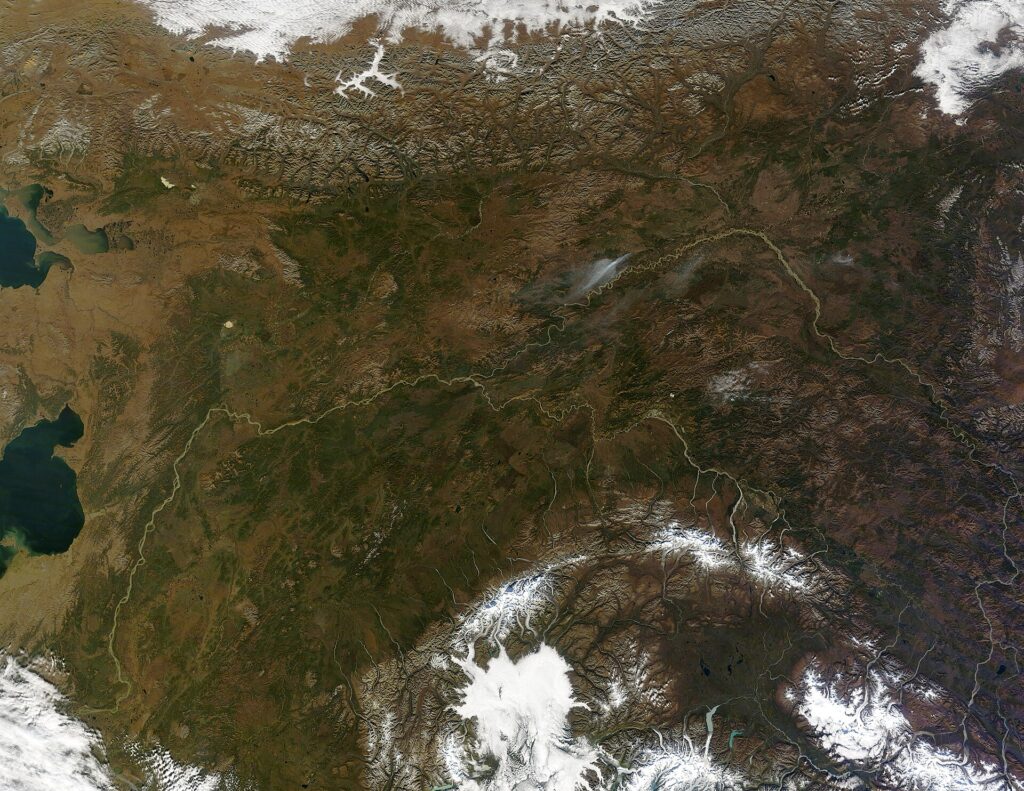
| Region | Beringia and the Tanana Valley |
|---|---|
| Oldest sites | About 11,000–12,000 years before present |
| Key sites | Broken Mammoth, Mead, Swan Point, Upward Sun River |
| Broken Mammoth found | 1989; project began 1990 |
| Early toolkits | Nenana and Chindadn complexes |
| Later tradition | American Paleo-Arctic, from about 11,000 years ago |
Beringia and the First Peoples
Paleolithic people crossed Beringia into northwestern North America between roughly 40,000 and 15,000 years ago, with a date under 20,000 years ago considered most likely. During the last ice age, a temporary recession of the Wisconsin glaciation opened an ice-free corridor through northwestern Canada, and recent research suggests arrival by sea on Alaska’s southeastern coast about 17,000 years ago [2]. Scholars still debate the timing and routes.
The Tanana Valley Sites
The oldest sites in Alaska are in the Tanana Valley, with radiocarbon dates of about 11,000 to 12,000 years before present. Broken Mammoth, Mead and Swan Point contain butchered bird and mammal remains alongside stone tools and hearth charcoal [1]. The Broken Mammoth site was discovered in 1989, and the project began in 1990 under Dr. Charles E. Holmes of the Office of History and Archaeology [1].
Mammoth Ivory and Hunting
Broken Mammoth and Mead yielded fossil ivory about 15,000 to 17,000 years old, collected for tool use. Ivory collagen dates of 11,500 and 12,000 years before present at Broken Mammoth and Swan Point closely match hearth charcoal dates, suggesting that people and mammoths coexisted. No mammoth postcranial remains have been found at these sites [1].
Early Stone Tool Traditions
The Nenana Complex consists of non-microblade assemblages from the earliest Beringian period, over 11,000 years ago. The Chindadn Complex was defined by John Cook from material at Healy Lake, and its placement relative to the Nenana and Denali complexes is still debated. Evidence now supports both microblade and non-microblade assemblages in central Alaska 11,000 to 12,000 years ago, and 1993 test excavations at Swan Point showed that microblades were part of its earliest assemblage. Some bifaces resemble Chindadn points, and obsidian from the Batza Tena source appears in artifacts from Broken Mammoth and Swan Point [1].
Upward Sun River
The Upward Sun River site in the Tanana Valley, about 11,500 years old, produced the oldest human remains on the American side of Beringia and DNA that identified the Ancient Beringians [3]. See the entry on Upward Sun River and the Ancient Beringians.
A Tanana Valley Chronology
Archaeologists divide Tanana Valley prehistory into the Beringian period (over 11,000 years ago), a Transitional period (11,000 to 8,500) when the American Paleo-Arctic tradition emerges, the Early Taiga (8,500 to 5,000), Middle Taiga (5,000 to about 2,500) and Late Taiga (about 2,500 years ago to the present). The Athapaskan tradition begins about 1,500 years ago. Forest soils were established after about 5,000 years ago, and forestation may have begun before 9,500 years ago [1].
Later Settlement
The Aleuts settled the Aleutian chain about 10,000 years ago, and trade with Asia and with peoples to the south was active well before European contact [2]. See the entries on Alaska Native peoples such as the Unangax̂ and the Athabascans.
FAQs
What are the oldest archaeological sites in Alaska? Sites in the Tanana Valley such as Broken Mammoth, Mead and Swan Point, dated to about 11,000–12,000 years before present.
What was Beringia? The land bridge region linking Asia and North America during the ice age.
What is the Nenana Complex? An early non-microblade stone tool assemblage dated to over 11,000 years ago.
Did people hunt mammoths in Alaska? Dates from ivory and hearths suggest people and mammoths coexisted, though no mammoth bones were found at the sites.
When was Broken Mammoth discovered? In 1989, with the project starting in 1990.
Sources
- Alaska Office of History and Archaeology: The Broken Mammoth Archaeological Project
- Wikipedia: Prehistory of Alaska
- Wikipedia: Upward Sun River site
More in Archaeology
Key facts
Quick checkIn which valley are Alaska’s oldest well-dated sites found?Show answer
The Tanana Valley
Sources
- Alaska Office of History and Archaeology. The Broken Mammoth Archaeological Project. 2026 (accessed 2026-11-12)
- Wikipedia. Prehistory of Alaska. 2026 (accessed 2026-11-12)
- Wikipedia. Upward Sun River site. 2026 (accessed 2026-11-12)
Editorially reviewed by Specialty Digest Editorial TeamLast reviewed November 12, 2026Researched and drafted with AI assistanceReport an issue