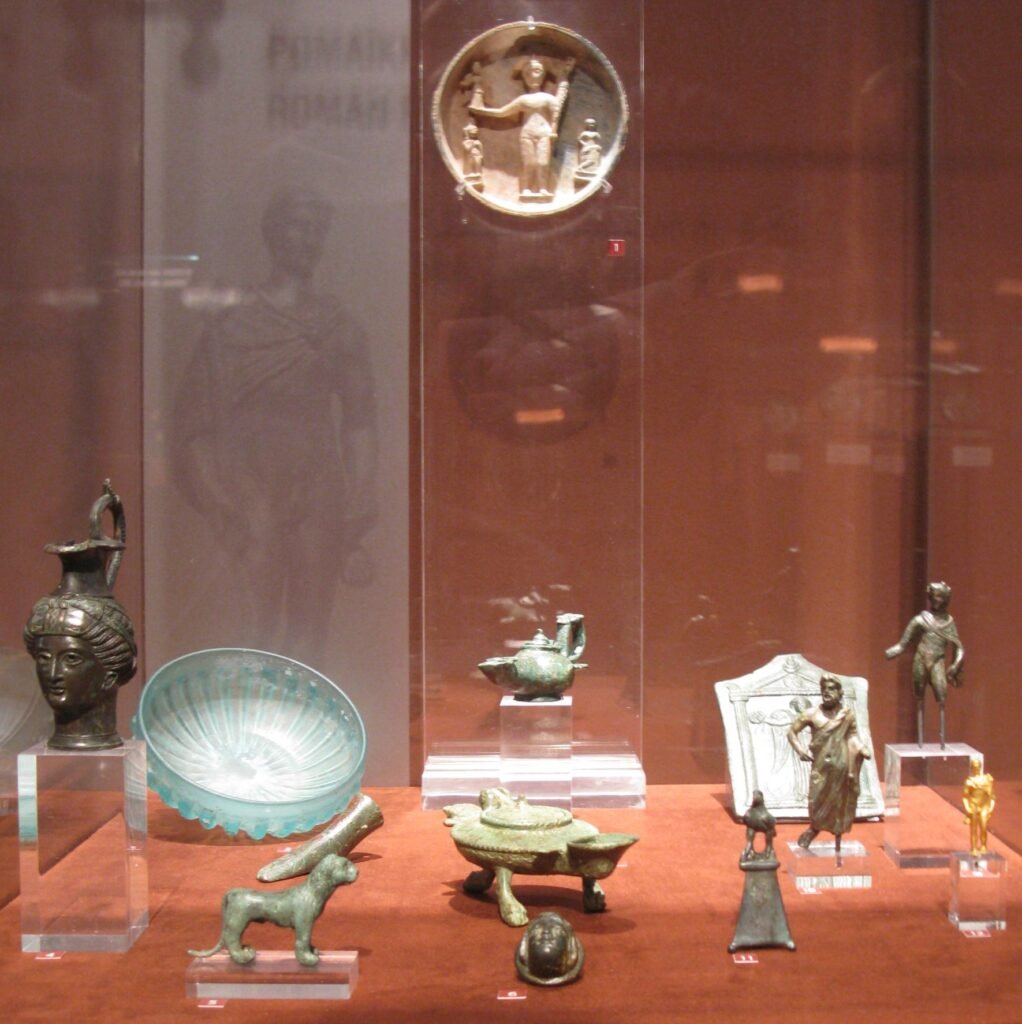
An artifact, in archaeology, is any object that was made, modified, or used by humans and recovered as evidence of past activity. The term covers an enormous range of material, from a roughly flaked stone tool half a million years old to a nineteenth-century coin dropped beneath a city street, but the defining feature is
Artifact Read More »
Any object made, modified, or used by humans and recovered as archaeological evidence.
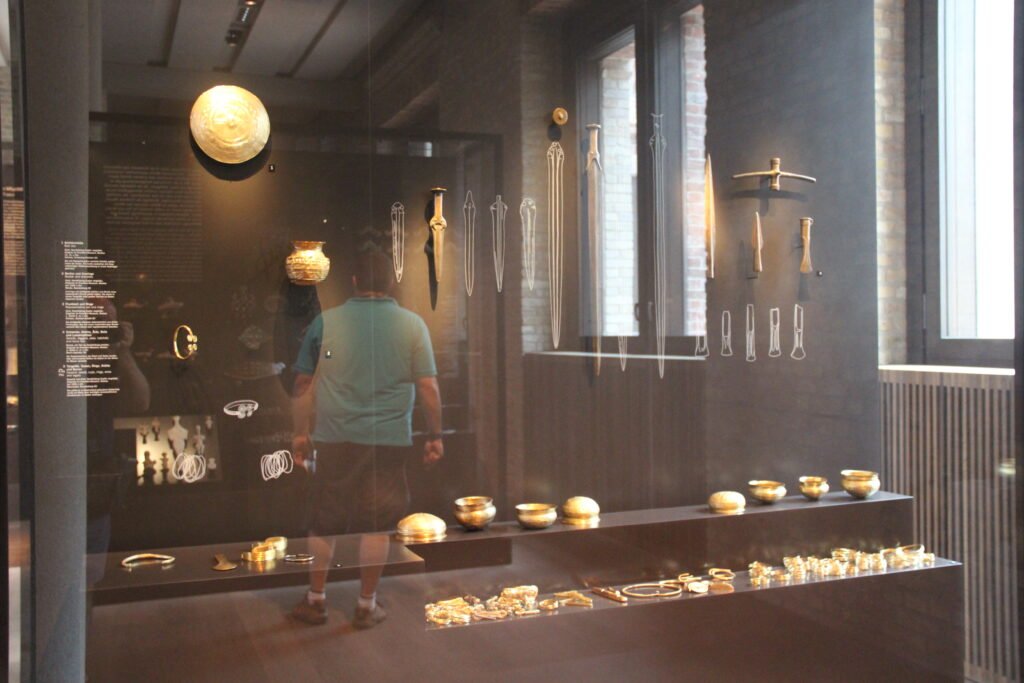
The Bronze Age is the archaeological period defined by the widespread production and use of bronze, an alloy of copper and tin, for tools, weapons, and other objects. It follows the Stone Age, when tools were made primarily from stone, bone, and wood, and precedes the Iron Age, when iron largely replaced bronze as the
Bronze Age Read More »
The archaeological period defined by the widespread use of bronze tools and weapons, between the Stone Age and the Iron Age.
Dendrochronology is the scientific method of dating events, environmental conditions, and wooden artifacts by analyzing the pattern of annual growth rings in trees. Because most trees in temperate climates add one visible ring of new wood each year, and because the width of that ring varies with the growing conditions of that particular year, a
Dendrochronology Read More »
The scientific method of dating wood and past events by analyzing patterns in annual tree growth rings.
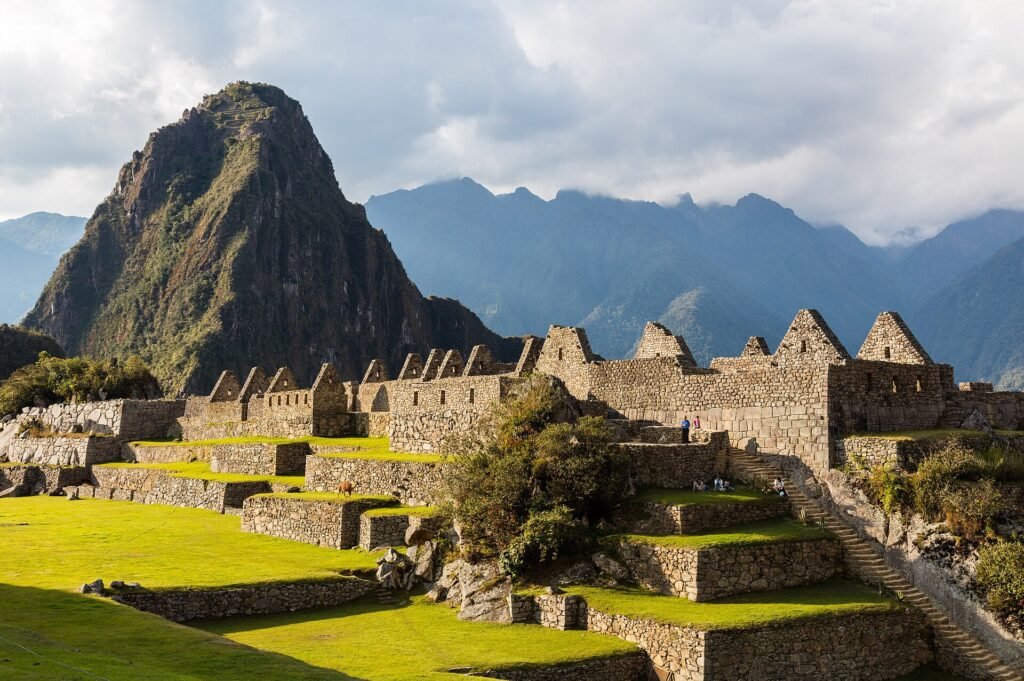
The discovery of Machu Picchu was the 1911 expedition by Hiram Bingham, a Yale lecturer, to a ruined Inca citadel high in the Peruvian Andes. He reached the site on 24 July 1911, guided by local people, and his reports brought it to worldwide attention. Bingham was not the first person to know the ruins,
Discovery of Machu Picchu Read More »
The 1911 expedition by Hiram Bingham that brought the Inca citadel of Machu Picchu in Peru to world attention.
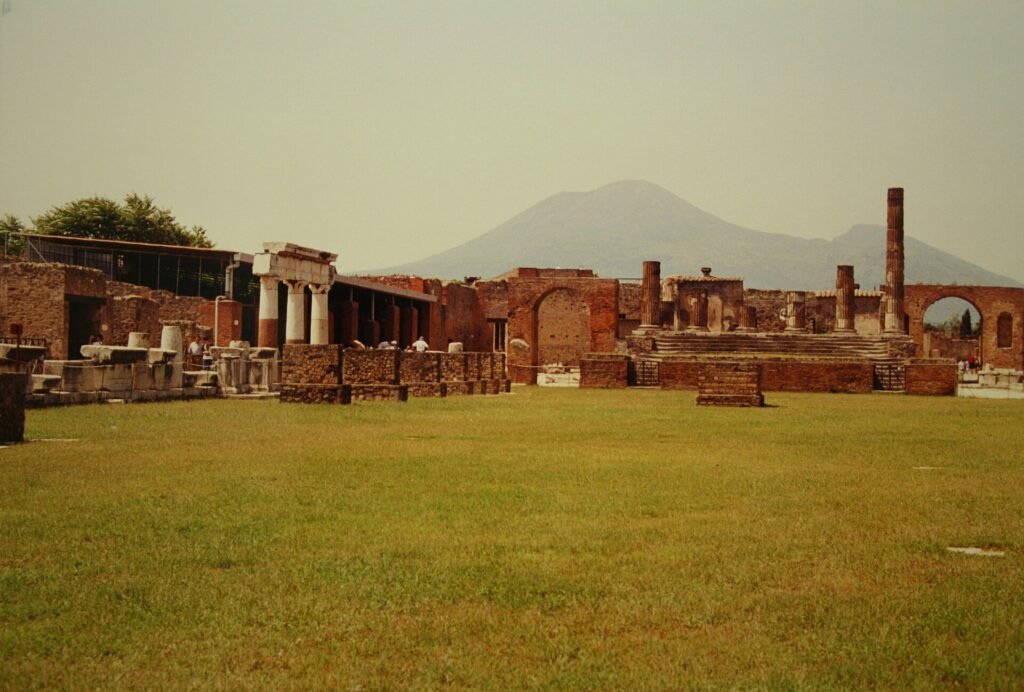
The discovery of Pompeii was the gradual rediscovery of a Roman town near Naples that was buried by the eruption of Mount Vesuvius in 79 AD. Extensive excavations began in 1748 under Charles of Bourbon, and work at the site has continued ever since. Pompeii is valued because it preserves a Roman town and its
Discovery of Pompeii Read More »
The rediscovery of the Roman town of Pompeii, buried by Vesuvius in 79 AD, through excavations that began in 1748 under Charles of Bourbon.
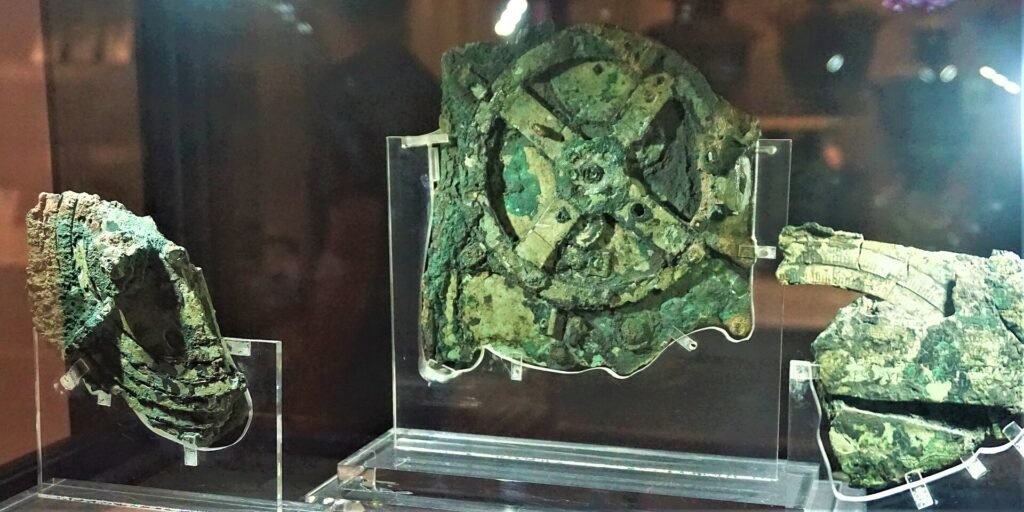
The discovery of the Antikythera mechanism was the recovery of a corroded bronze geared device from a Roman-era shipwreck off the Greek island of Antikythera, found in 1900 and recognized as a calculating instrument in the years that followed. The device was built around the end of the second century BC and calculated and displayed
Discovery of the Antikythera Mechanism Read More »
The 1900 recovery of a geared bronze astronomical calculator from a Roman-era shipwreck off the Greek island of Antikythera.
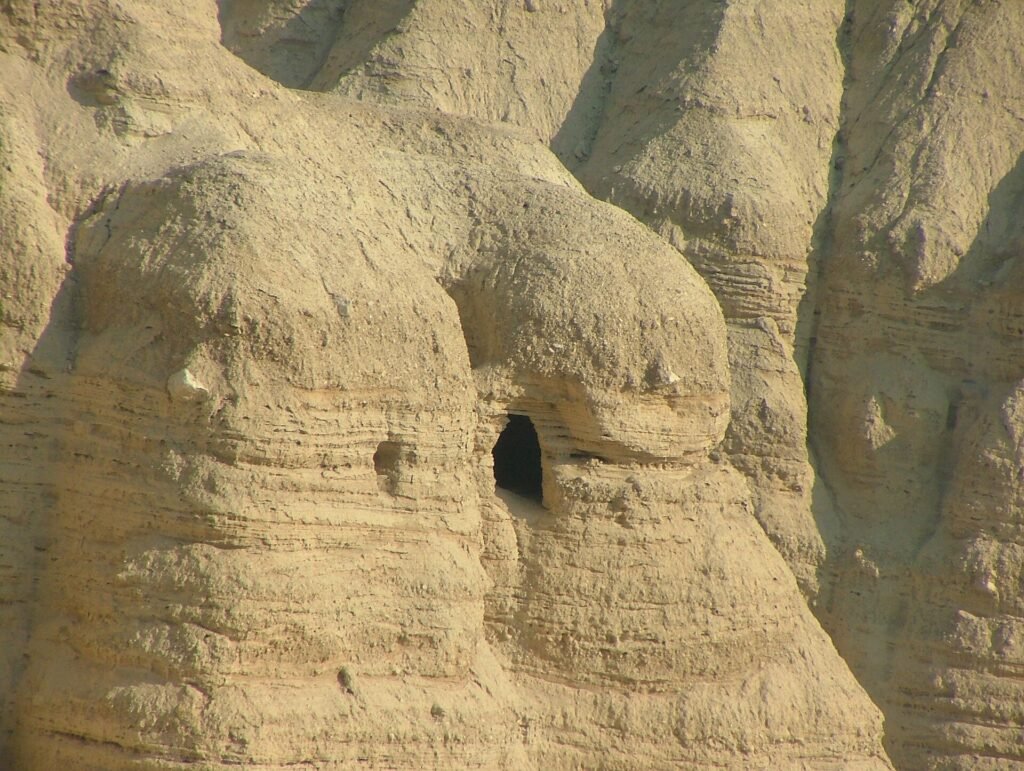
The discovery of the Dead Sea Scrolls began in 1947, when a young Bedouin shepherd of the Ta’amireh tribe found ancient manuscripts in a cave near Qumran, on the northwestern shore of the Dead Sea. Over the next decade Bedouin searchers and archaeologists recovered the remains of more than 900 texts from eleven caves. The
Discovery of the Dead Sea Scrolls Read More »
The 1947 finding of ancient Hebrew, Aramaic and Greek manuscripts in caves near Qumran by Bedouin shepherds, followed by excavations through 1956.
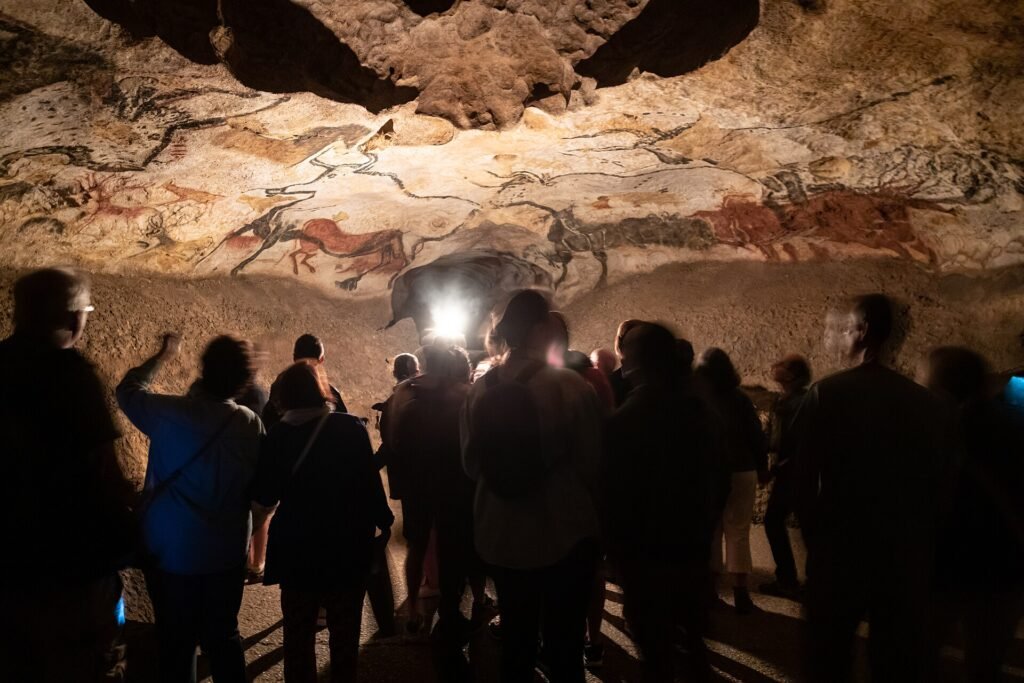
The discovery of the Lascaux cave paintings took place on 12 September 1940, when four boys from the village of Montignac in the Dordogne region of France climbed down a hole on a hillside and found walls covered with painted animals. The cave’s art is among the best-known examples of Paleolithic painting in the world.
Discovery of the Lascaux Cave Paintings Read More »
The finding of the Paleolithic painted cave of Lascaux in France by four boys on 12 September 1940.
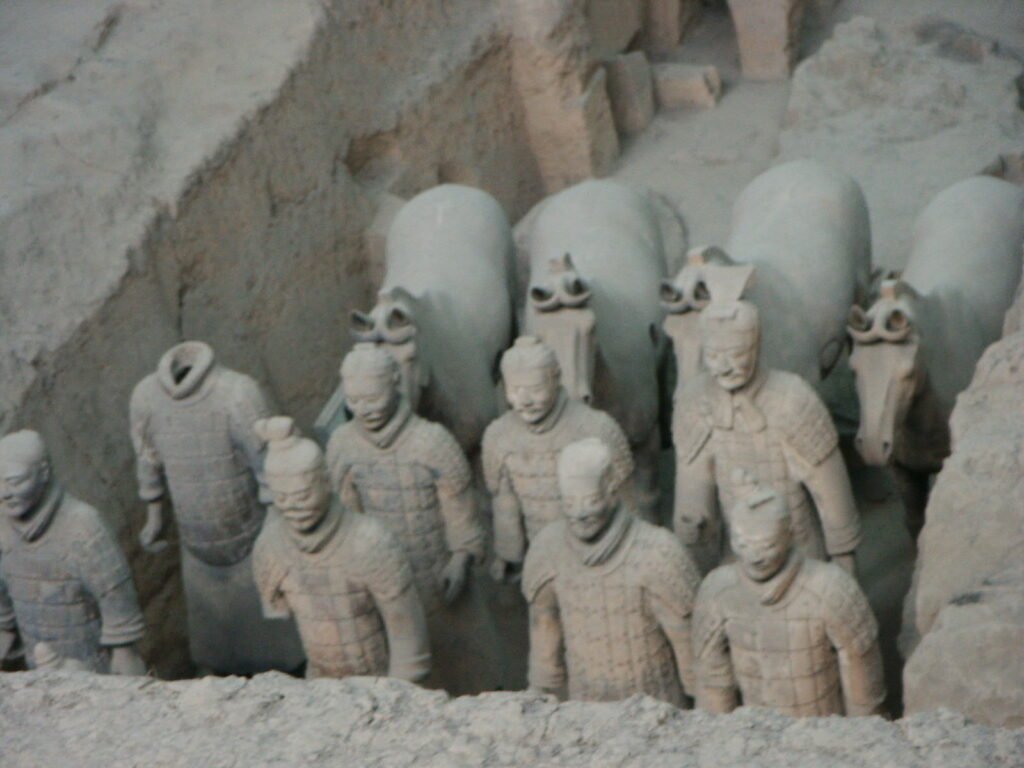
The discovery of the Terracotta Army happened on 29 March 1974, when farmers digging a well near Xi’an in Shaanxi Province, China, struck buried clay figures of soldiers. The figures guarded the tomb of Qin Shi Huang, the first emperor of a unified China, who died in 210 BCE. Archaeologists have since uncovered thousands of
Discovery of the Terracotta Army Read More »
The finding of the clay army guarding the tomb of Qin Shi Huang near Xi'an, China, by farmers digging a well on 29 March 1974.
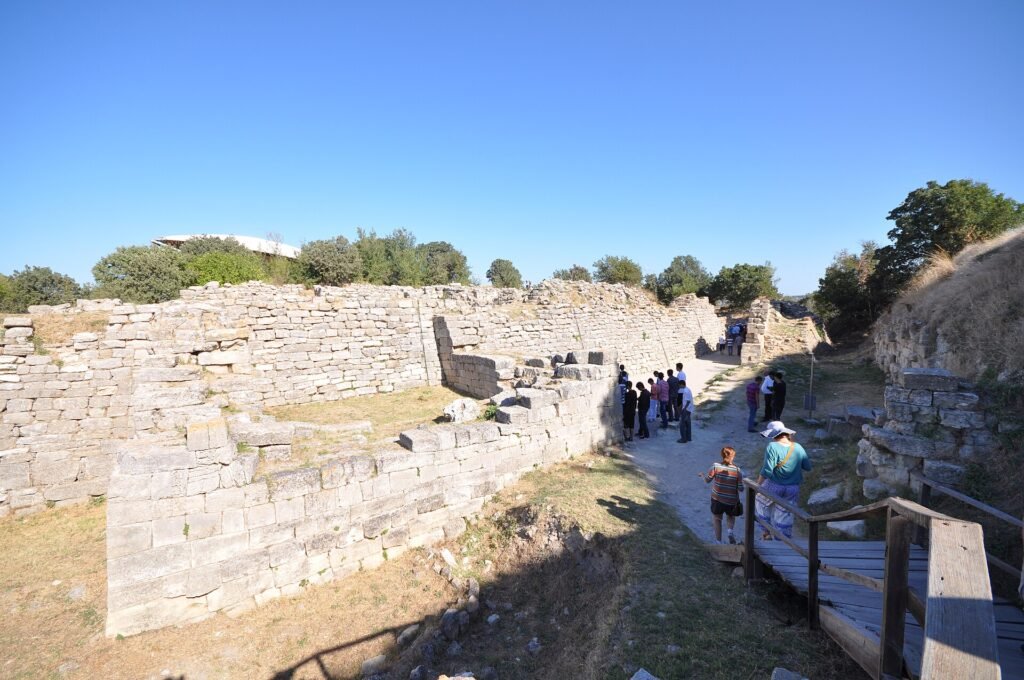
The discovery of Troy was the identification of the ancient city of Homer’s Iliad with the mound of Hisarlık in northwestern Turkey. Frank Calvert dug there in 1863, and Heinrich Schliemann began large excavations in 1870 that exposed a city with about 4,000 years of history. The site holds nine successive settlements, labeled Troy I
Discovery of Troy Read More »
The identification of Hisarlık in Turkey as ancient Troy through excavations begun by Frank Calvert in 1863 and Heinrich Schliemann from 1870.