Food insecurity describes the condition of lacking reliable access to enough affordable, nutritious food to meet a households needs. In the United States, the Department of Agriculture measures food insecurity annually through a household survey, tracking both the share of households affected and the severity of food access problems they report.
How Food Banks Operate
Food banks generally serve as large-scale regional distribution hubs, collecting food through donations from retailers, farms, and manufacturers, as well as purchased food, then distributing it through a network of smaller partner food pantries, soup kitchens, and shelters that interact directly with people seeking food assistance. This two-tier structure allows a single food bank to support food access across a wide geographic area.
Economic Sensitivity
Food insecurity rates tend to rise sharply during economic downturns and periods of high inflation, as households stretch limited budgets across competing needs including rent, utilities, and food. Food banks typically see demand spike during these same periods, often straining their capacity precisely when donated food supplies from retailers and manufacturers may also be tightening.
Beyond Emergency Food
Many food banks have expanded beyond simply distributing emergency food boxes, adding programs such as nutrition education, mobile food pantries that bring food directly to underserved areas, and partnerships with healthcare providers to screen patients for food insecurity and connect them to food resources as part of routine care. This expansion reflects a growing recognition that food insecurity is closely tied to broader health outcomes.
Underlying Causes
Researchers and advocates generally frame food insecurity as a symptom of broader economic conditions, including low wages, high housing costs, and unemployment, rather than a problem food distribution alone can fully solve. This framing has pushed some food banks to engage in advocacy for policies such as a higher minimum wage or expanded nutrition assistance benefits alongside their direct food distribution work.
Government Nutrition Programs
Food banks operate alongside, rather than instead of, federal nutrition assistance programs such as the Supplemental Nutrition Assistance Program, and many food banks actively help eligible households apply for these benefits, recognizing that charitable food distribution alone cannot match the scale and consistency that government nutrition assistance provides. Cuts or delays in federal nutrition program funding tend to increase pressure on food banks almost immediately.
Volunteer Dependence
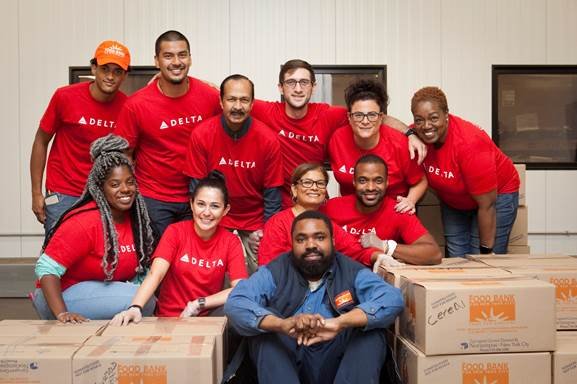
Food banks and their partner pantries rely heavily on volunteer labor to sort, pack, and distribute food, making volunteer recruitment and retention a significant operational concern, particularly since demand often rises during the same economic downturns that can also reduce the pool of people with free time available to volunteer.
Stigma and Access Barriers
Stigma remains a documented barrier to food assistance, with some eligible households avoiding food banks or nutrition benefit programs out of embarrassment or concern about how seeking help might be perceived by others in their community. Food banks have responded in various ways, including client-choice pantry models that let people select their own food much like a grocery store, an approach found to both reduce stigma and reduce food waste from items people would not have chosen for themselves.
Measuring Food Bank Impact
Food banks increasingly track metrics beyond simple pounds of food distributed, including measures of nutritional quality and client-reported outcomes, reflecting a shift in the field toward valuing the health value of distributed food alongside sheer volume, since a food bank that primarily distributes low-nutrition surplus food serves a different purpose than one actively sourcing fresh produce and other nutrient-dense options.
Rural Food Bank Challenges
Food banks serving rural areas face distinct logistical challenges compared to urban counterparts, including longer distribution routes, fewer potential volunteer pantry sites, and clients who may need to travel considerable distances to reach a distribution point, prompting some rural food banks to rely more heavily on mobile distribution models that bring food directly to small, scattered communities.
Partnerships With Retailers and Growers
Food banks have deepened partnerships with grocery retailers and agricultural producers to rescue food that would otherwise be discarded due to minor cosmetic flaws or approaching sell-by dates, a practice that both reduces food waste and expands the pool of available food, though it requires food banks to invest in cold storage and transportation logistics capable of handling perishable donations efficiently.
As demand continues to evolve alongside broader economic conditions, food banks remain an essential, if imperfect, part of the wider effort to ensure reliable access to food for every household.
School-Based Food Programs
Many food banks partner with schools to operate weekend and summer food programs for children who rely on school meals during the academic year, addressing a documented spike in childhood food insecurity during school breaks when that daily meal access disappears, a gap that charitable programs have worked to fill even as advocates push for expanded year-round public nutrition support.
Looking Ahead
As food banks continue adapting to shifting economic conditions and donor patterns, their role as both an emergency safety net and an advocate for broader policy change seems likely to deepen rather than shrink.
For now, food banks remain an essential, if imperfect, bridge for households navigating the gap between public benefits and the full cost of feeding a family.
A Patchwork but Vital System
The food bank network in the United States remains a patchwork of independently governed organizations rather than a single coordinated system, a structure that allows local responsiveness but also means that the quality and reach of food assistance can vary considerably depending on where a household happens to live.
For the households they serve each week, that bridge can make the difference between an empty pantry and a meal on the table.
More in Community Development and Social Services
Key facts
- Measured nationally through an annual household survey conducted by the USDA
- Food banks typically distribute through a network of smaller partner pantries
- Rates tend to rise sharply during economic downturns
Related concepts
Quick checkHow is food insecurity measured in the United States?Show answer
Through an annual household survey conducted by the United States Department of Agriculture that asks about access to adequate food over the prior year.
Editorially reviewed by Specialty Digest Editorial TeamLast reviewed November 4, 2026Researched and drafted with AI assistanceReport an issue