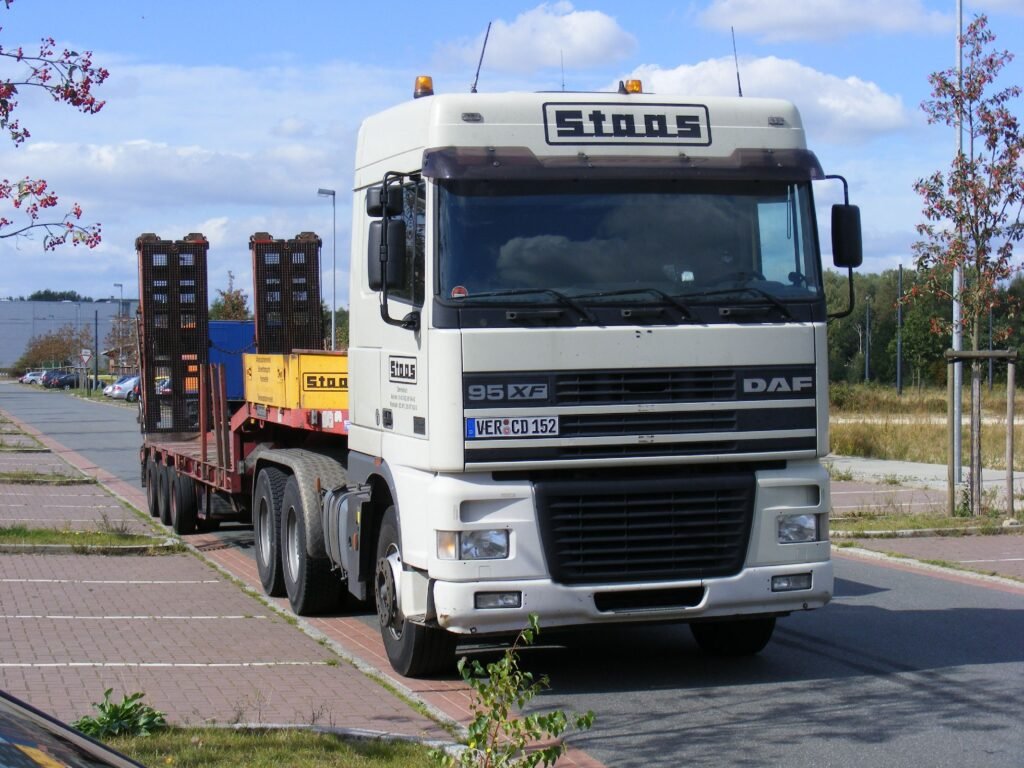
Role of a Freight Broker
A freight broker acts as a matchmaker between shippers who need to move goods and motor carriers who have available truck capacity. The broker negotiates rates, arranges pickup and delivery details, and handles paperwork, but does not own any trucks or physically transport the freight itself.
How Freight Brokerage Works
Shippers contact brokers with a load that needs to move, specifying origin, destination, weight, and timing. The broker then searches its network of carrier relationships or digital freight marketplaces to find an available truck, negotiates a rate with the carrier, and takes a margin between what the shipper pays and what the carrier is paid.
Licensing and Regulation
In the United States, freight brokers must obtain federal operating authority from the Federal Motor Carrier Safety Administration and post a surety bond or trust fund, currently set at a minimum amount intended to protect carriers from non-payment. These requirements exist because brokers handle significant sums of money flowing between shippers and carriers without directly controlling the freight.
Digital Freight Brokerage
Technology-driven freight brokers, sometimes called digital freight matching platforms, use software and algorithms to match loads with available trucks faster than traditional phone-based brokering, often providing real-time pricing and automated booking. This has increased competition and transparency in a brokerage industry historically reliant on personal relationships and manual negotiation.
Finding and Vetting Carriers
Freight brokers maintain networks of vetted carriers, checking insurance coverage, safety ratings, and operating authority before assigning loads to ensure the shipper’s freight is handled by a legitimate, properly insured carrier. A broker’s reputation depends heavily on consistently matching shippers with reliable carriers, since a damaged or lost shipment reflects poorly on the broker even though the broker never physically handled the goods.
Broker-Carrier Agreements
Brokers and carriers typically operate under a standing broker-carrier agreement establishing payment terms, liability responsibilities, and insurance requirements before any load is booked. These agreements let brokers quickly assign loads to known, pre-vetted carriers without renegotiating terms for every individual shipment.
Freight Broker Compensation
Freight brokers earn revenue from the margin between what they charge the shipper and what they pay the carrier, sometimes called the broker’s take. This margin can vary significantly based on market conditions, the complexity of the load, and the broker’s relationship with both the shipper and carrier involved in a given transaction.
Risks of Fraud in Freight Brokerage
The freight brokerage industry has faced growing concern about fraud, including fictitious carriers that accept a load and then disappear with the cargo, known as strategic cargo theft, or double brokering, where a carrier passes a load to another unauthorized carrier without the broker’s knowledge. Brokers increasingly use identity verification and carrier monitoring technology to reduce exposure to these schemes.
The Broker-Shipper Relationship
Shippers value freight brokers for their ability to quickly source capacity across a wide range of carriers, lanes, and equipment types without the shipper needing to maintain direct relationships with hundreds of individual trucking companies. Larger shippers sometimes work with a small number of preferred brokers under long-term agreements, while others use brokers more opportunistically to fill capacity gaps.
Freight Brokerage Industry Consolidation
The freight brokerage industry has seen significant consolidation in recent decades, with large, technology-enabled brokers growing to handle enormous freight volumes while thousands of smaller, often family-owned brokerages continue to operate in niche geographic or commodity segments, reflecting a market structure with both scale players and specialized independents.
State Regulation of Freight Brokers
In addition to federal licensing, freight brokers must comply with varying state-level requirements in some jurisdictions, and brokers operating across many states must track a patchwork of rules governing insurance, contract terms, and dispute resolution that can differ meaningfully depending on where a shipper or carrier is based.
Freight Broker Technology Investment
Leading freight brokers have invested heavily in software that automates load matching, pricing, and carrier communication, reducing the manual phone-based negotiation that historically dominated the industry, and allowing a single broker employee to manage a far larger volume of shipments than was possible using traditional methods alone.
Specialized Freight Brokerage Niches
Some freight brokers specialize narrowly in specific commodity types, equipment needs, or geographic corridors, such as temperature-controlled produce shipping or flatbed construction materials, building deep carrier relationships and market knowledge within their niche that a generalist broker would struggle to match.
Broker Role During Capacity Crunches
During periods of tight trucking capacity, brokers become especially valuable to shippers struggling to find available trucks directly, since a well-connected broker can tap a far broader carrier network than most individual shippers maintain relationships with on their own.
Freight Brokerage and Market Transparency
Digital freight marketplaces have increased pricing transparency in an industry historically reliant on opaque, relationship-based negotiation, giving smaller shippers better visibility into prevailing market rates than was available before online load boards and rate benchmarking tools became widespread.
Ultimately, the value a freight broker provides rests on trust and reliability built over many successful shipments, since a single mishandled load can quickly undo years of relationship-building with a shipper or carrier partner.
Shippers that build strong relationships with a few trusted brokers, rather than constantly chasing the lowest quoted rate, often find more consistent service quality over time, especially during periods when capacity is scarce and relationships matter most.
As freight markets continue shifting toward digital tools, brokers who combine strong technology with deep carrier relationships are generally best positioned to serve shippers reliably across both tight and loose capacity cycles.
Trust between all three parties ultimately underpins the entire brokerage model.
Key facts
- Array
Quick checkHow does a freight broker differ from a carrier?Show answer
A broker arranges transportation and matches shippers with carriers, while a carrier owns the trucks and physically transports the freight.
Sources
- Array
Editorially reviewed by Specialty Digest Editorial TeamLast reviewed November 4, 2026Researched and drafted with AI assistanceReport an issue