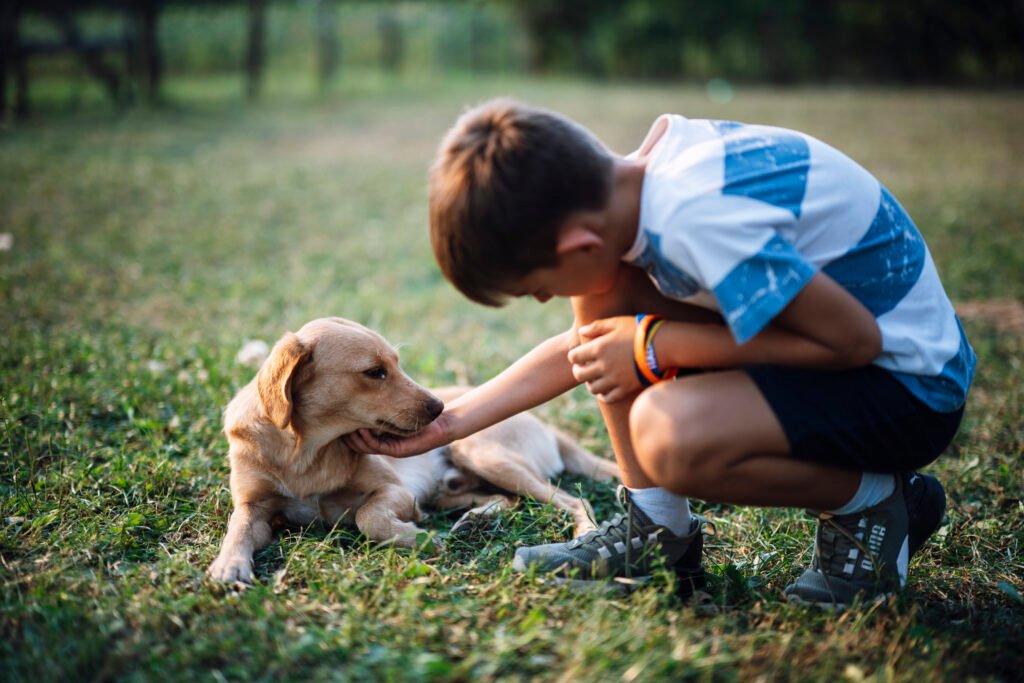
Defining the Human-Animal Bond
The human-animal bond describes the dynamic, mutually beneficial relationship between people and animals, encompassing emotional attachment, companionship, and the ways each influences the other’s behavior and wellbeing. While the concept applies broadly across species relationships, it is most extensively studied and formally recognized within companion animal veterinary medicine, where professional bodies such as the American Veterinary Medical Association have developed guidelines explicitly incorporating the bond into clinical practice and client communication.
Health and Wellbeing Associations
Research has associated pet ownership with a range of potential health benefits, including increased physical activity from dog walking, opportunities for social interaction facilitated by pets, and stress-reduction effects linked to interacting with a companion animal. These associations are generally correlational rather than strictly causal, and researchers caution against overstating pet ownership as a direct health intervention, since underlying factors such as existing activity level or social engagement may influence both pet ownership and the health outcomes studied.
Animal-Assisted Interventions
The human-animal bond underlies animal-assisted therapy and activities, in which trained animals, most commonly dogs, participate in structured interactions within clinical, educational, or institutional settings to support therapeutic or educational goals. Applications range from reading programs in schools to therapeutic visits in hospitals and nursing facilities. Distinct from these are service animals, which undergo task-specific training to mitigate a handler’s disability and carry different legal protections than therapy or emotional support animals.
Veterinary Practice Implications
Recognition of the human-animal bond has reshaped veterinary practice in several ways, including greater emphasis on client communication during difficult medical decisions, end-of-life care planning, and recognition that an owner’s emotional investment in an animal’s treatment may not correlate directly with the animal’s market or replacement value. This shift has supported the growth of veterinary social work as a distinct allied profession, helping clients navigate grief, financial decision-making, and the emotional complexity of end-of-life care for a companion animal.
Pet Loss and Grief
The strength of the human-animal bond means that pet loss can trigger grief responses comparable in intensity to bereavement following the loss of a close human relationship, though this grief is sometimes socially minimized or dismissed by others unfamiliar with the depth of companion animal attachment. Pet loss support groups, veterinary social workers, and dedicated grief counseling resources have emerged to address this previously underserved area of bereavement support, reflecting broader cultural recognition of the human-animal bond’s psychological significance.
Historical and Cultural Context
The relationship between humans and companion animals has deep historical roots, with archaeological evidence suggesting dog domestication began tens of thousands of years ago, likely originating from mutually beneficial proximity between early humans and wolf populations. Cats appear to have domesticated themselves to a significant degree, drawn to human agricultural settlements by rodent populations that thrived around stored grain. Across cultures and eras, companion animals have held varied symbolic, practical, and emotional roles, though the modern conception of pets as family members reflects a relatively recent cultural shift concentrated in the past century or two.
The Bond Across the Lifespan
The human-animal bond often evolves across both the human’s and the animal’s lifespan, from an energetic early relationship built around training and exploration, through a settled companionship phase, to a caregiving-intensive relationship as a pet ages and requires more support. Many owners describe this caregiving phase, including managing chronic illness or mobility decline, as deepening rather than straining the bond, even as it introduces new emotional and logistical demands. Multi-pet households can also develop complex bonds between animals themselves, which owners often must consider when making decisions affecting one animal’s routine or household status.
Research Methodology Challenges
Studying the human-animal bond scientifically presents methodological challenges, since self-selection bias affects much research, as people who choose to own pets may differ systematically from those who do not in ways that influence health outcomes independent of the pet relationship itself. Researchers increasingly call for more rigorous longitudinal and controlled study designs to separate correlation from causation in human-animal bond research, an ongoing area of active scientific development as the field matures beyond earlier observational studies.
Workplace and Institutional Recognition
The human-animal bond has gained institutional recognition beyond individual households, with some workplaces adopting pet-friendly policies and hospitals, universities, and senior living facilities incorporating visiting animal programs to support occupant wellbeing. This broader institutional acknowledgment reflects growing acceptance that the psychological benefits associated with human-animal interaction extend meaningfully beyond the private home, informing policy decisions in settings ranging from corporate offices to long-term care facilities.
Pet loss support has also extended into workplace policy in some organizations, with a small but growing number of employers offering bereavement leave specifically for the loss of a companion animal, reflecting gradual cultural recognition that this form of grief warrants formal accommodation similar to other significant losses, even though such policies remain far from universal across employers.
As research methods mature and cultural recognition deepens, the human-animal bond is likely to remain an active area of both scientific study and practical application across veterinary medicine, mental health support, and community wellbeing programs for years to come.
Owners, clinicians, and researchers alike continue to find new dimensions of this relationship worth exploring, as both scientific tools and cultural attitudes toward companion animals continue to evolve alongside broader societal understanding of animal cognition and welfare.
This evolving understanding continues to shape how families, clinicians, and communities value the relationships they share with companion animals.
That shared value only continues to grow.
That mutual value keeps deepening steadily each year.
Key facts
- Array
Quick checkWhy has the veterinary profession formally incorporated the concept of the human-animal bond into practice guidelines?Show answer
Because the emotional significance owners place on their animals affects medical decision-making, communication needs, and end-of-life care, so professional organizations like the American Veterinary Medical Association now train practitioners to address the relationship itself alongside the animal's physical health.
Sources
- Array
Editorially reviewed by Specialty Digest Editorial TeamLast reviewed November 4, 2026Researched and drafted with AI assistanceReport an issue