Shelter System Structure Animal sheltering operates through a mix of municipal animal control agencies and private nonprofit rescue organizations, each with different mandates and funding structures. Municipal shelters often operate under open-admission policies requiring them to accept any animal from their service area, creating ongoing capacity challenges. Private rescues, by contrast, typically operate as limited-admission
Animal Shelter and Rescue Operations Read More »
The organized intake, care, and rehoming of homeless or surrendered companion animals through municipal shelters and nonprofit rescue organizations.
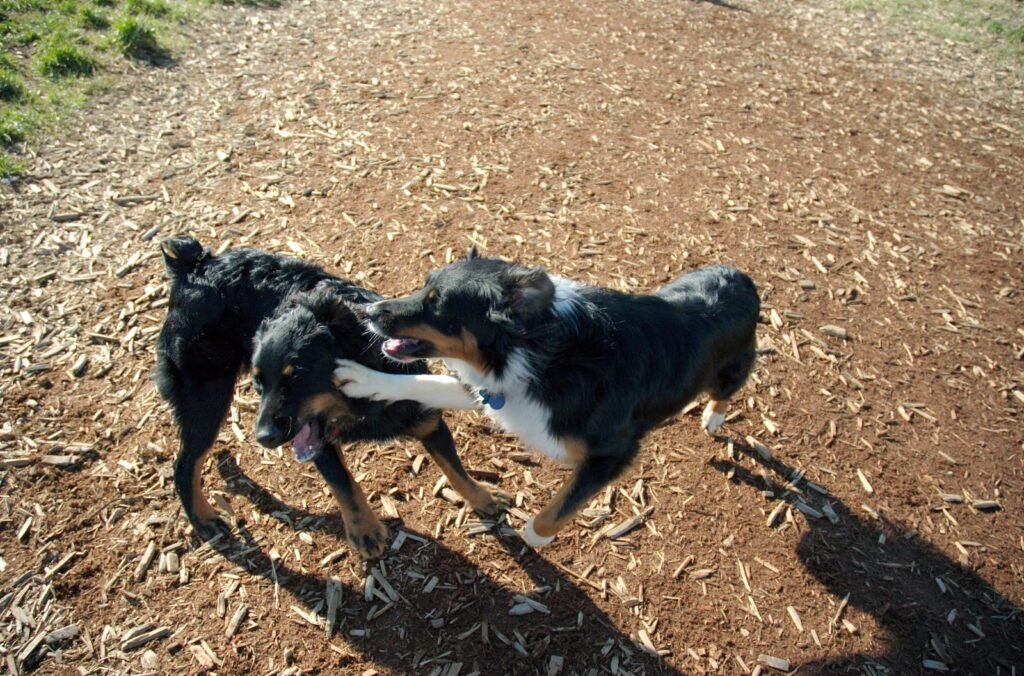
Domestication and Social Evolution Dogs share ancestry with wolves but diverged through a domestication process spanning thousands of years, during which selection favored individuals tolerant of human proximity and cooperative in shared environments. This history produced an animal uniquely attuned to human social cues, including the ability to follow pointing gestures and read human facial
Canine Behavior Read More »
The study of domestic dog behavior patterns, including social structure, communication, and the cooperative instincts shaped by a long history of co-evolution with humans.
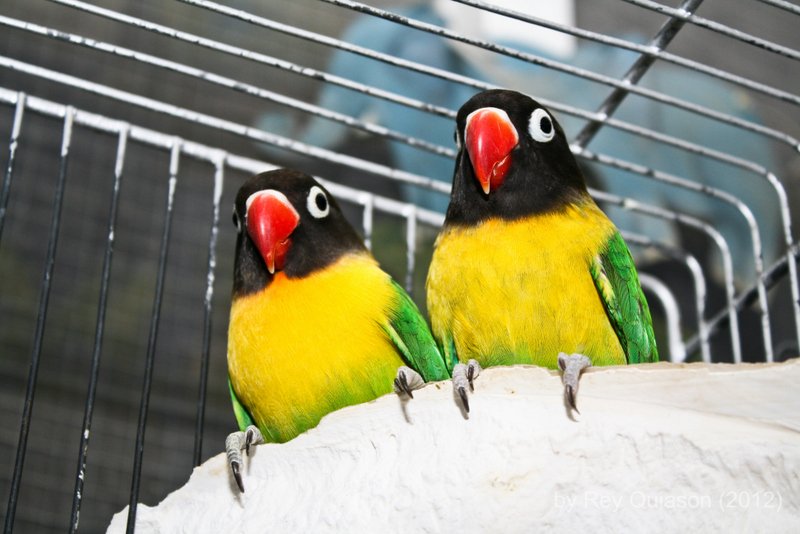
Scope of Exotic Pet Care Exotic pet care encompasses the husbandry and veterinary management of species outside the traditional cat-and-dog category, including reptiles, birds, small mammals such as rabbits and guinea pigs, amphibians, and sometimes invertebrates. Each group carries distinct physiological needs shaped by evolutionary adaptations often very different from mammalian norms. Successful exotic pet
Exotic Pet Care Read More »
The specialized husbandry and veterinary management of non-traditional companion animals such as reptiles, birds, small mammals, and amphibians.
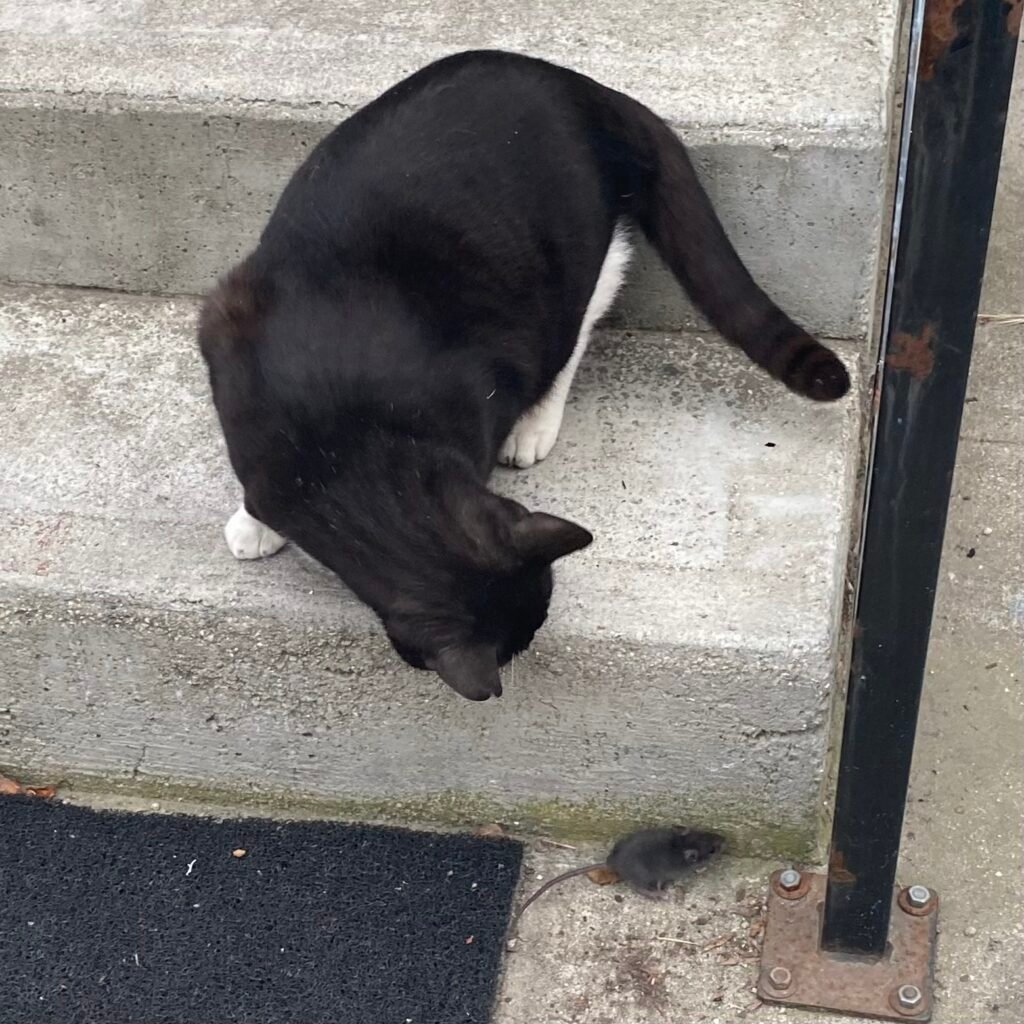
Evolutionary and Social Origins Domestic cats descend from the African wildcat, a species that hunts and lives largely alone, a trait that distinguishes feline social structure from the more cooperative pack behavior of domesticated dogs. This ancestry shapes much of modern cat behavior, including a preference for controlling access to resources rather than sharing them,
Feline Behavior Read More »
The study of domestic cat behavior patterns, including communication, territoriality, social structure, and the instinctive drives inherited from solitary wild ancestors.
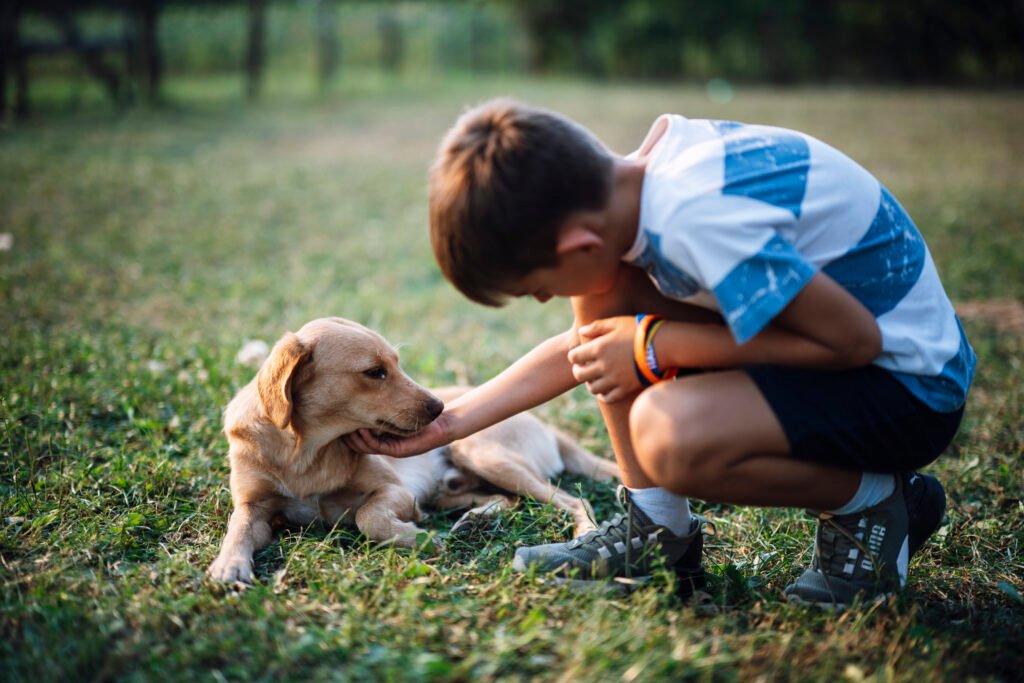
Defining the Human-Animal Bond The human-animal bond describes the dynamic, mutually beneficial relationship between people and animals, encompassing emotional attachment, companionship, and the ways each influences the other’s behavior and wellbeing. While the concept applies broadly across species relationships, it is most extensively studied and formally recognized within companion animal veterinary medicine, where professional bodies
Human-Animal Bond Read More »
The mutually beneficial emotional and psychological relationship between people and companion animals, recognized as a factor in physical and mental health.
Foundations of Learning Theory Pet behavior and training draws its scientific foundation from operant and classical conditioning principles first described by behavioral psychologists. Operant conditioning explains how consequences shape future behavior: actions followed by favorable outcomes tend to repeat, while actions followed by unfavorable outcomes tend to diminish. Classical conditioning explains how animals form associations
Pet Behavior and Training Read More »
The study and modification of companion animal behavior through learning-based methods to build desirable habits and resolve problem behaviors.
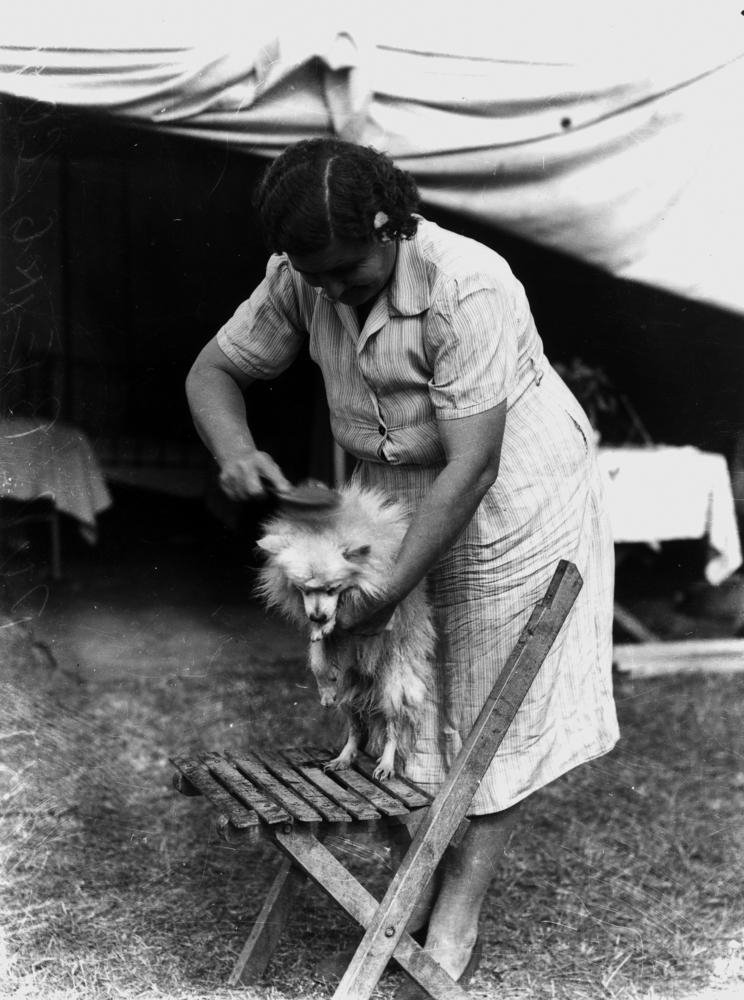
Coat Types and Grooming Needs Grooming requirements vary considerably across coat types. Short, smooth coats generally need minimal maintenance beyond periodic brushing and bathing. Double coats, found in breeds adapted to variable climates, consist of a dense insulating undercoat beneath a longer protective outer coat and require regular deshedding brushing, particularly during seasonal shedding periods,
Pet Grooming Read More »
The professional and home-based practice of maintaining companion animal coat, skin, nail, and hygiene health through bathing, clipping, and related care.
Species-Specific Nutritional Needs Dogs and cats have fundamentally different nutritional requirements rooted in their evolutionary diets. Dogs are biologically classified as omnivores, capable of deriving nutrition from a mix of animal and plant sources and synthesizing certain nutrients internally. Cats, by contrast, are obligate carnivores that require specific nutrients, including taurine, arachidonic acid, and preformed
Pet Nutrition and Feeding Read More »
The science of formulating and managing diets for companion animals to meet species-specific nutritional requirements across life stages.
Defining the Senior Life Stage The transition into the senior life stage varies considerably by species, breed, and size, with larger dog breeds generally reaching senior status earlier than smaller breeds due to differing aging trajectories and lifespans. Cats are typically considered senior starting around ten to eleven years of age, though individual variation is
Senior Pet Care Read More »
The adapted veterinary and husbandry practices used to support the health, comfort, and quality of life of aging companion animals.
Legal Definition and Scope In the United States, the Americans with Disabilities Act defines a service animal narrowly as a dog that has been individually trained to perform a specific task directly related to a person’s disability. This legal definition grants service dogs broad public access rights, allowing handlers to bring them into most public
Service and Assistance Animals Read More »
Animals individually trained to perform specific tasks that mitigate a handler's disability, distinguished legally and functionally from emotional support and therapy animals.