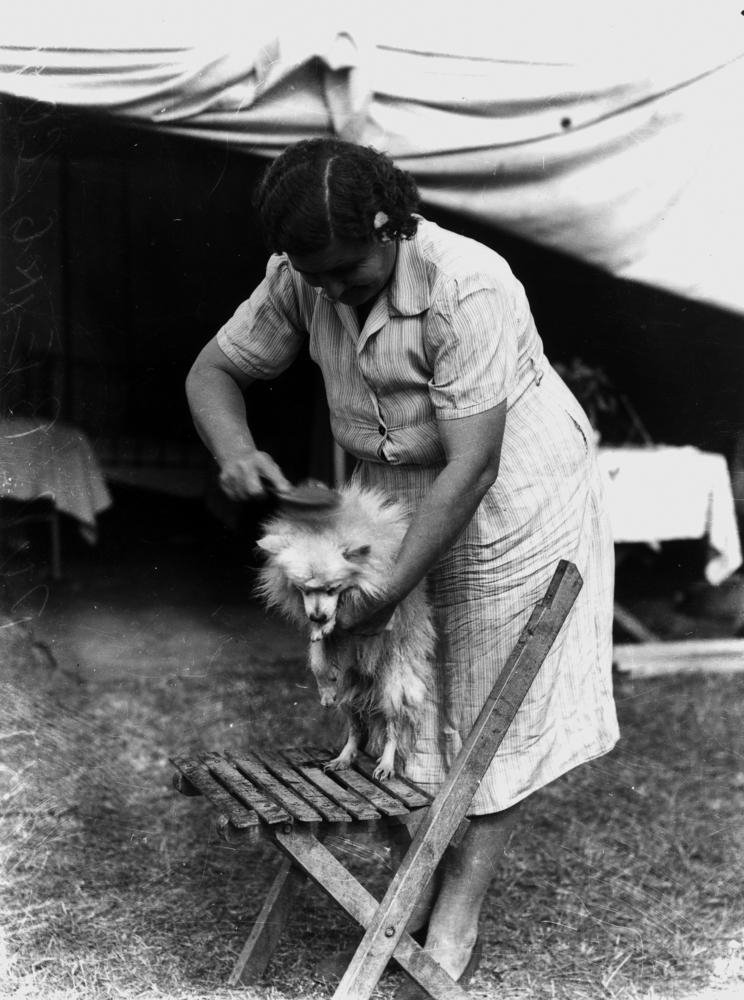
Coat Types and Grooming Needs
Grooming requirements vary considerably across coat types. Short, smooth coats generally need minimal maintenance beyond periodic brushing and bathing. Double coats, found in breeds adapted to variable climates, consist of a dense insulating undercoat beneath a longer protective outer coat and require regular deshedding brushing, particularly during seasonal shedding periods, to prevent matting and maintain healthy insulation. Continuously growing coats, seen in some terrier and poodle-type breeds, require regular clipping or hand-stripping since the hair does not shed out naturally on its own cycle.
Bathing and Skin Care
Bathing frequency depends on coat type, activity level, and any underlying skin conditions, with over-bathing potentially stripping protective natural oils and causing dry, irritated skin. Species-appropriate shampoo formulations matter significantly, since human shampoo pH differs from that of dog or cat skin and can cause irritation with repeated use. Medicated shampoos may be prescribed by veterinarians to manage conditions such as allergic dermatitis or bacterial skin infections, requiring specific contact time and application technique for effectiveness.
Nail, Ear, and Dental Maintenance
Routine grooming extends beyond the coat to nail trimming, which prevents overgrown nails from altering gait and causing joint strain, and ear cleaning, which helps prevent wax buildup and infection, particularly in breeds with floppy ears that trap moisture. Dental hygiene, including tooth brushing and dental chews, is increasingly recognized as a grooming-adjacent component of preventive health care, since periodontal disease is extremely common in companion animals and can contribute to systemic health problems beyond the mouth itself.
Matting and Its Health Consequences
Severe matting, most common in long-haired breeds without consistent brushing, can progress from a cosmetic issue to a genuine welfare concern, restricting movement, trapping moisture and bacteria against the skin, and in advanced cases causing painful skin lesions beneath the matted hair. Professional groomers assess matting severity to determine whether detangling is feasible or whether a close shave is necessary for the animal’s comfort and skin health, a judgment call that balances coat preservation against welfare.
Professional Grooming Industry
Professional pet grooming has developed into a distinct service industry, with groomers working in dedicated salons, mobile grooming vans, or veterinary-adjacent facilities. Voluntary certification through organizations such as the National Dog Groomers Association of America establishes skill benchmarks, though licensing requirements vary significantly by jurisdiction. Breed-specific grooming standards, particularly for show dogs, follow detailed style guidelines maintained by kennel club breed standards, while pet grooming for companion animals generally prioritizes comfort, hygiene, and manageability over strict show presentation.
Grooming and Early Detection of Health Issues
Regular grooming sessions provide an opportunity for close physical examination that can reveal early signs of health problems, including skin masses, parasites, ear infections, or dental disease that an owner might otherwise miss during normal daily interaction. Groomers, particularly those seeing a pet regularly over time, often notice subtle changes in coat condition, skin texture, or behavior during handling that can prompt a veterinary referral before a condition becomes advanced, making grooming an informal but valuable component of overall preventive health monitoring.
Breed-Specific Grooming Standards
Show dog grooming follows detailed breed-standard guidelines maintained by kennel clubs, specifying coat length, trim pattern, and presentation style considered correct for competition in a given breed. Poodles, for instance, have several recognized show clip patterns that differ substantially from the simpler, comfort-oriented pet clips most companion poodles receive. Pet owners generally have far more flexibility than competitors to choose coat length and style based on comfort, climate, and maintenance preference rather than strict adherence to breed-standard presentation.
Stress Reduction During Grooming
Grooming can be a source of significant stress for some animals, particularly those with prior negative experiences, sensitive skin conditions, or general handling sensitivity. Techniques such as gradual desensitization to grooming tools, positive reinforcement during handling, and breaking sessions into shorter segments can reduce stress for anxious animals. Some veterinary practices now offer or recommend low-stress or fear-free grooming certification programs, reflecting growing industry recognition that minimizing distress during routine care meaningfully improves both animal welfare and handler safety.
Seasonal Grooming Considerations
Grooming needs shift seasonally for many pets, with increased shedding during spring and fall coat transitions requiring more frequent brushing to manage loose undercoat. Owners sometimes shave double-coated breeds in summer expecting cooling benefit, though veterinary and grooming guidance generally cautions against this practice, since the double coat provides insulation against heat as well as cold, and shaving can disrupt natural coat regrowth patterns and increase sunburn risk on exposed skin.
Nail trimming in particular causes anxiety for many pets, partly because overgrown nails can make the quick, the sensitive blood vessel within the nail, extend further than ideal, increasing the risk of a painful cut during trimming. Regular, frequent trims in small increments help keep the quick naturally receded, making each individual trimming session safer and less stressful than infrequent trims addressing significant overgrowth all at once.
Consistent, low-stress grooming routines, paired with attentiveness to coat-specific needs, support both the hygienic and the early-detection benefits that make grooming a genuinely valuable component of comprehensive companion animal care rather than a purely cosmetic afterthought.
Owners new to a particular coat type are often well served by consulting a professional groomer early on, both to establish an appropriate maintenance schedule and to learn effective at-home brushing techniques that extend the interval between professional sessions while keeping the coat healthy and comfortable between visits.
A thoughtful routine benefits every stage of a pet’s life.
Consistency matters most of all.
It truly matters above all else.
Key facts
- Array
Quick checkWhy do double-coated breeds generally require different grooming approaches than single-coated breeds?Show answer
Double-coated breeds have a dense undercoat beneath a longer outer coat that sheds seasonally and requires regular deshedding brushing to prevent matting and support natural insulation, whereas shaving a double coat can disrupt its insulating and protective function and in some cases cause abnormal regrowth.
Sources
- Array
Editorially reviewed by Specialty Digest Editorial TeamLast reviewed November 4, 2026Researched and drafted with AI assistanceReport an issue